Embark on a captivating journey into the world of handcrafted artistry with this comprehensive guide on creating a stunning terrazzo-style tray using clay. Discover the rich history and aesthetic appeal of terrazzo, exploring its versatility in transforming ordinary clay into extraordinary decorative pieces. We’ll delve into the intricate steps of crafting a unique tray, from preparing the clay base to assembling and finishing the final product, providing you with valuable insights and techniques along the way.
This guide is designed to be your trusted companion throughout the process, providing clear instructions and helpful tips at every stage. From choosing the right clay to mastering sealing techniques, we aim to equip you with the knowledge and confidence to bring your creative vision to life.
Introduction to Terrazzo-style Trays
Terrazzo, a captivating material, has a rich history and continues to be a popular choice for its aesthetic appeal. The intricate patterns and unique textures of terrazzo often evoke a sense of elegance and sophistication. This material, a composite of aggregate and cement, offers a wide range of possibilities for design, including the creation of beautiful and functional trays.
This versatility extends to the use of clay, which can be employed to achieve a terrazzo-style aesthetic.The use of clay in terrazzo-style trays allows for a unique blend of artistry and practicality. The inherent qualities of clay, such as its ability to be molded and its durability once fired, lend themselves well to the creation of intricate patterns and textures.
This material offers a cost-effective and environmentally friendly alternative for crafting trays that mimic the look and feel of traditional terrazzo.
Overview of Terrazzo
Terrazzo, a composite material, is a blend of aggregates (like marble chips, glass, or stone) embedded in a matrix of cement or resin. The historical context of terrazzo is deeply rooted in Italian design, evolving from ancient Roman mosaics to the contemporary designs we see today. The distinct characteristics of terrazzo are its durability, its unique aesthetic appeal, and its adaptability to diverse design styles.
Versatility of Clay in Terrazzo-style Trays
Clay, a versatile material, is an excellent choice for crafting terrazzo-style trays. Its malleability allows for intricate designs and custom shapes. The firing process ensures durability and a long lifespan, making it a practical choice for everyday use. The process of shaping and firing clay also enables the incorporation of various colors and textures into the tray, creating a unique and personal touch.
Historical Context of Terrazzo
Terrazzo’s origins can be traced back to ancient Roman mosaics, where the use of colored stones and materials was prevalent. The modern form of terrazzo emerged in the 20th century, evolving through various techniques and styles. The evolution of terrazzo has seen a shift from its traditional use in floors and countertops to its integration into decorative elements like trays, demonstrating its adaptability to diverse applications.
Examples of Terrazzo-style Tray Designs
The range of terrazzo-style tray designs is vast. Some examples include trays with geometric patterns, incorporating natural elements like pebbles or wood chips, or displaying vibrant colors. The designs can be simple or elaborate, showcasing the creativity of the maker. The use of different types of clay, glazes, and aggregates can result in trays with varying textures and colors.
Key Materials for Creating a Terrazzo-style Tray with Clay
The creation of a terrazzo-style tray with clay necessitates a range of materials. The crucial materials include clay (various types for different effects), aggregates (glass, stone, or ceramic pieces), cement or resin binder, and tools for shaping and smoothing. Other necessary materials include molds, firing kiln, and glaze for enhanced aesthetics and protection.
Preparing the Clay Base
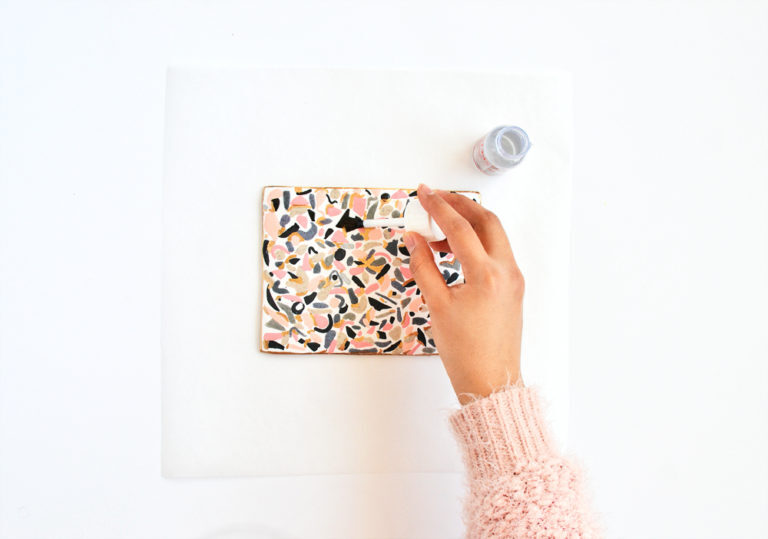
The clay base forms the foundation for your terrazzo-style tray, providing a stable and attractive surface for the decorative elements. Careful preparation of the clay base is crucial for achieving a high-quality final product. This section details the critical steps involved in shaping, drying, and texturing the clay base to create a beautiful and functional tray.
Types of Clay Suitable for the Project
Various types of clay can be used for this project, each with its own characteristics. A medium-bodied clay, known for its plasticity and moderate shrinkage during drying, is ideal for shaping and creating intricate details. This type of clay offers a good balance between workability and final strength. Ceramic clay, while more specialized, can also be used, providing a durable and long-lasting tray.
The choice of clay will influence the texture and final appearance of the tray.
Preparing the Clay for Shaping
The preparation process for shaping the clay involves several steps. First, the clay should be thoroughly kneaded to ensure uniformity and remove any air bubbles. This step ensures the clay is workable and malleable. Next, the clay should be rolled out to a consistent thickness using a rolling pin or similar tool. This creates a uniform base for shaping the tray.
Shaping the Clay into a Tray Form
A variety of techniques can be employed to shape the clay into a tray form. One method involves using a mold, which allows for precise shaping and consistent dimensions. Alternatively, free-form shaping can be employed to create more organic and artistic designs. Regardless of the chosen technique, ensuring the clay is adequately supported during shaping is crucial.
Using a supportive surface like a sturdy table or a piece of cardboard can prevent the clay from warping or collapsing.
Importance of Proper Drying and Curing
Proper drying and curing are essential for the longevity and structural integrity of the clay tray. Insufficient drying can lead to warping, cracking, or even collapse. To avoid these issues, the clay should be dried gradually, preferably in a well-ventilated area away from direct sunlight. Curing involves allowing the clay to harden further, improving its strength and durability.
The drying and curing times depend on the type of clay used and the thickness of the clay base.
Creating Textures in the Clay Base
Various techniques can be employed to create unique textures in the clay base. Impressing patterns or textures using tools like stamps, sponges, or even your fingers can add visual interest. Adding small pieces of textured materials, like pebbles or shells, during the shaping process can create a more interesting visual effect. Another option involves adding variations in the clay itself, using different colors or types of clay to create a marbled effect.
Ensuring a Smooth and Even Clay Base
Ensuring a smooth and even clay base is crucial for the final appearance of the tray. Regular smoothing of the clay surface during the shaping process using a tool like a wooden smoother or a plastic scraper can eliminate bumps and irregularities. Carefully trimming and refining the edges of the clay base will also enhance the overall aesthetic appeal.
After shaping, the entire surface should be carefully smoothed to ensure a consistent finish.
Creating the Terrazzo Effect
Transforming a simple clay base into a captivating terrazzo-style tray involves thoughtfully incorporating various materials. This process allows for the creation of unique and visually appealing designs, each reflecting the specific artistic vision of the creator. Careful selection and arrangement of these materials are key to achieving the desired aesthetic.The terrazzo effect is achieved by embedding different materials within the clay.
These materials, carefully selected and arranged, contribute to the visual complexity and richness of the finished product. Techniques for achieving different textures and patterns are essential for creating a truly distinctive terrazzo design.
Methods for Incorporating Materials
Careful consideration of the materials to incorporate into the clay base is crucial. The selection process is directly influenced by the desired aesthetic. Different materials lend themselves to different textures and patterns, contributing to the unique character of the terrazzo piece. For example, incorporating small pieces of glass adds a shimmering quality, while the addition of metallic flakes can evoke a sophisticated look.
- Incorporation of Glass Fragments: Small, broken pieces of glass, or even crushed glass, offer a dazzling visual effect. Their sharp edges can create a distinctive texture and sparkle, making them a popular choice for terrazzo designs.
- Use of Metallic Flakes: Metallic flakes, such as gold, silver, or copper, add a touch of elegance and sophistication. They can be incorporated in varying amounts to achieve subtle or more pronounced metallic accents. The use of copper flakes, for instance, could create a warm, inviting tone.
- Employing Coloured Resins: Coloured resins, poured into the clay, can add vibrant hues to the terrazzo design. Their smooth finish complements the textured appearance of other materials, enhancing the overall aesthetic. A deep blue resin, for example, can create a stunning contrast against lighter-colored materials.
- Adding Coloured Gravel or Stones: Small, colorful gravel or stones offer a rustic or natural touch. Their varied shapes and colors can create an interesting and textured surface. Different sizes of stones can add a depth and dimension to the pattern.
Examples of Materials
A wide array of materials can be used to achieve the desired terrazzo effect. The choice depends on the intended aesthetic and the specific characteristics of each material.
- Glass shards: Different types of glass, from clear to colored, can create a variety of visual effects. Their translucence can enhance the overall design.
- Metallic flakes: Gold, silver, or copper flakes add a touch of luxury and shimmer. These are particularly effective when used in conjunction with other materials.
- Recycled materials: Using recycled materials, such as broken tiles or pieces of pottery, can create a unique and environmentally conscious design.
- Small stones or gravel: Natural materials like small stones or gravel can add a rustic or earthy feel to the terrazzo design.
Mixing and Arranging Materials
The mixing and arrangement of these materials are crucial for creating the desired patterns. Experimentation is key to achieving unique and visually appealing results.
- Creating Patterns: Different patterns can be achieved by varying the arrangement of the materials. A random scattering can create a natural look, while a deliberate arrangement can create more defined and geometric patterns.
- Considering Colour Combinations: Careful consideration of colour combinations is important to create a visually appealing design. Contrasting colors can create a bold statement, while complementary colors can create a more harmonious effect.
- Ensuring Even Distribution: Ensure an even distribution of the materials throughout the clay. This will prevent any areas from appearing uneven or lacking in visual appeal.
Techniques for Different Textures and Designs
Different techniques can be used to achieve various textures and designs. Understanding these techniques allows for the creation of unique and captivating designs.
- Creating a Marbled Effect: Gently swirling the materials within the clay can create a marbled effect. Carefully controlling the movement of the materials during the mixing process is key to achieving a smooth and consistent marble look.
- Creating Geometric Patterns: Using stencils or templates can create more precise geometric patterns. This method allows for the replication of designs and the creation of a consistent look.
- Achieving a Textured Surface: Incorporating materials with different textures can create a more dimensional and interesting surface. For example, using materials with varying shapes and sizes can achieve a unique and textured look.
Comparing Terrazzo Patterns
| Pattern | Method of Creation | Example Materials |
|---|---|---|
| Marbled | Swirling materials within the clay | Glass shards, resins |
| Geometric | Using stencils or templates | Metallic flakes, stones |
| Random | Scattering materials randomly | Gravel, glass, coloured resins |
Assembling and Finishing the Tray

The final stage of creating your terrazzo-style tray involves carefully assembling the terrazzo elements with the clay base and then sealing the tray to protect it from moisture. Proper sealing is crucial for the longevity and aesthetic appeal of the finished product. A durable sealant ensures that the tray maintains its beauty and functionality over time, resisting water absorption and preventing potential damage from moisture.
Assembling the Terrazzo Elements
Careful placement of the terrazzo elements is key to achieving a visually appealing and structurally sound tray. Begin by ensuring the clay base is completely dry. This prevents warping or distortion of the tray. Once dry, gently press the terrazzo elements into the clay base, ensuring good contact and even distribution of the materials. Avoid applying excessive pressure, as this may lead to cracking or damage to the elements.
Allow the elements to settle and bond to the clay base, giving them sufficient time to firmly adhere.
Sealing the Clay Tray
Sealing the clay tray is an essential step to protect it from moisture and maintain its integrity. The sealant forms a barrier that prevents water from penetrating the clay, protecting it from damage and deterioration. The choice of sealant significantly impacts the long-term durability and aesthetics of the tray.
Importance of a Durable Sealant
A durable sealant plays a crucial role in the long-term performance of the terrazzo-style tray. It safeguards the tray from moisture damage, preventing cracking, warping, or deterioration. A high-quality sealant creates a protective barrier against water absorption, extending the lifespan of the tray and maintaining its appearance. For example, a poorly sealed tray might show signs of water damage within a few months of use, potentially leading to the deterioration of the clay and the terrazzo elements.
Different Sealing Techniques
Several sealing techniques can be employed for the clay tray, each with its own advantages and disadvantages. One common method involves applying multiple thin coats of sealant, allowing each coat to dry completely before applying the next. This method ensures even coverage and minimizes the risk of drips or uneven application. Another technique involves using a spray sealant, which offers a quicker application process.
However, it may require more coats to achieve the desired level of protection.
| Step | Action | Materials | Notes |
|---|---|---|---|
| 1 | Prepare the clay base | Clay, water | Ensure the clay is completely dry before proceeding. |
| 2 | Arrange terrazzo elements | Terrazzo elements | Press elements gently into the base for a secure fit. |
| 3 | Apply first coat of sealant | Sealant (e.g., epoxy, acrylic), brush or spray gun | Allow the first coat to dry completely before applying the next. |
| 4 | Apply subsequent coats (if needed) | Sealant, brush or spray gun | Follow the sealant manufacturer’s instructions for drying time between coats. |
| 5 | Inspect for imperfections | Visual inspection | Check for any unevenness or areas requiring additional sealant. |
| 6 | Allow to cure completely | Sealant | Follow manufacturer’s instructions for curing time. |
Variations and Design Considerations
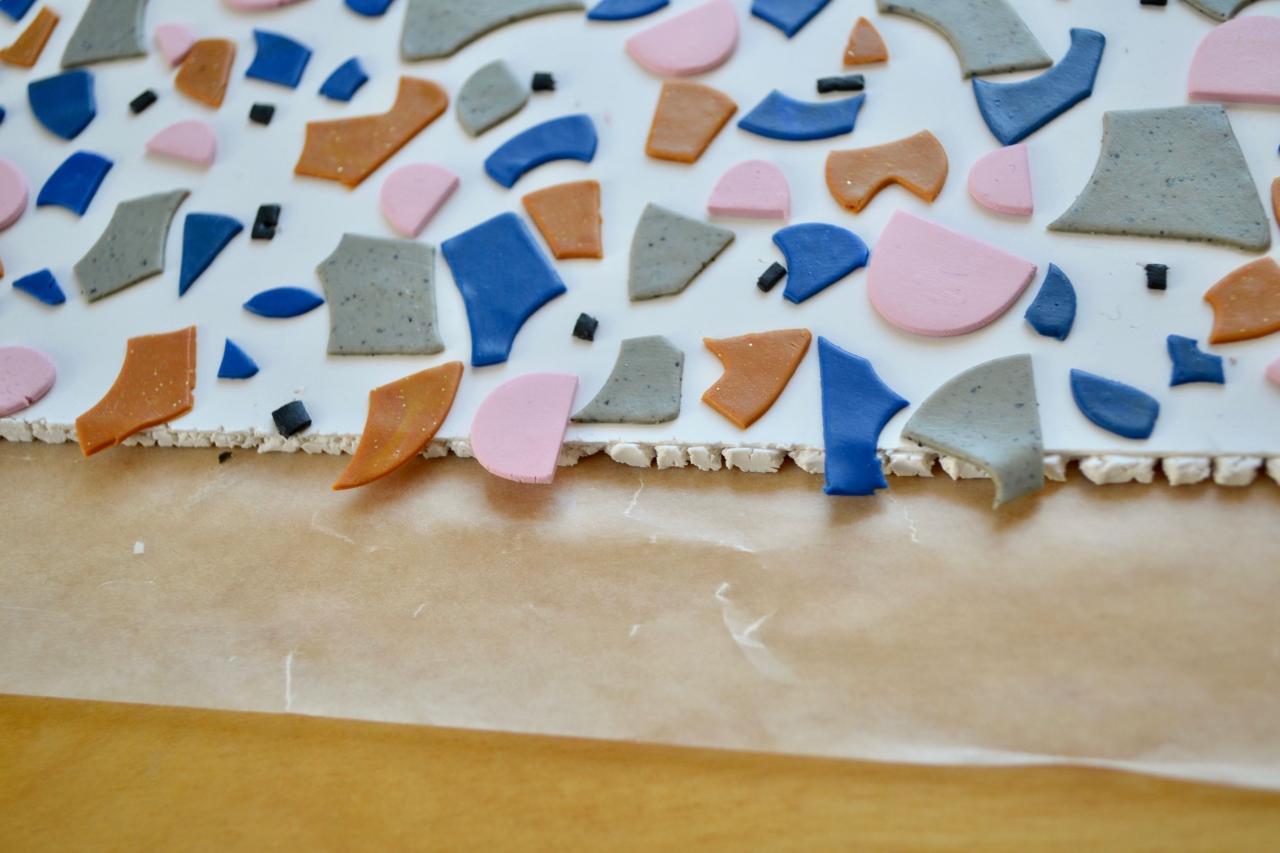
Enhancing the aesthetic appeal of a terrazzo-style tray goes beyond the basic techniques. Creative variations and thoughtful design considerations can elevate the tray from a functional piece to a truly unique and personalized statement. Exploring different color palettes, material combinations, and tray sizes allows for a wide range of possibilities.Careful consideration of design elements allows for the creation of a tray that reflects the owner’s personal style and complements the surrounding decor.
This section delves into alternative design approaches, unique element incorporation, personalization strategies, and color/material selection to achieve the desired aesthetic.
Alternative Designs for Terrazzo-Style Trays
Various terrazzo-style designs can be achieved beyond the traditional. Consider incorporating marbled patterns using contrasting colors or creating geometric designs with carefully placed aggregate pieces. For a more contemporary look, consider using metallic aggregates or textured clays for a striking visual effect. Alternatively, a monochromatic palette with subtle variations in shade can create a sophisticated and elegant look.
Incorporating Unique Elements
The incorporation of unique elements can add character and visual interest to the tray. For instance, adding small, decorative ceramic tiles or hand-painted elements can create a focal point. Embossing patterns onto the clay base before adding the terrazzo mixture adds another layer of visual interest. Incorporating shells, small stones, or even dried flowers within the terrazzo mixture can create a natural and unique aesthetic.
Personalizing the Tray’s Aesthetic Appeal
Personalization options abound for a terrazzo-style tray. One can personalize the tray by adding a custom-designed logo or monogram. Intricate designs carved into the clay base can be filled with contrasting colors to create an artistic effect. Alternatively, the tray can be customized with a hand-painted border or a personalized inscription.
Choosing Colors and Materials
Careful selection of colors and materials is crucial for creating a cohesive and visually appealing design. Warm tones, such as terracotta and burnt orange, can evoke a sense of warmth and intimacy, while cool tones, like blues and greens, can create a serene and calming atmosphere. Materials like glass beads or polished stones can add a touch of elegance and sparkle.
Comparing Tray Sizes and Suitability
The size of the terrazzo-style tray directly influences its suitability for various purposes. A smaller tray (under 12 inches) is ideal for holding small items like jewelry or toiletries. Medium-sized trays (12-24 inches) are versatile and can be used for serving snacks or as a decorative centerpiece. Larger trays (over 24 inches) are suitable for displaying larger items or as a functional table piece.
| Tray Size | Approximate Dimensions | Suitability |
|---|---|---|
| Small | Under 12 inches | Jewelry, toiletries, small decorative items |
| Medium | 12-24 inches | Serving snacks, decorative centerpiece |
| Large | Over 24 inches | Displaying larger items, table piece |
Troubleshooting and Maintenance
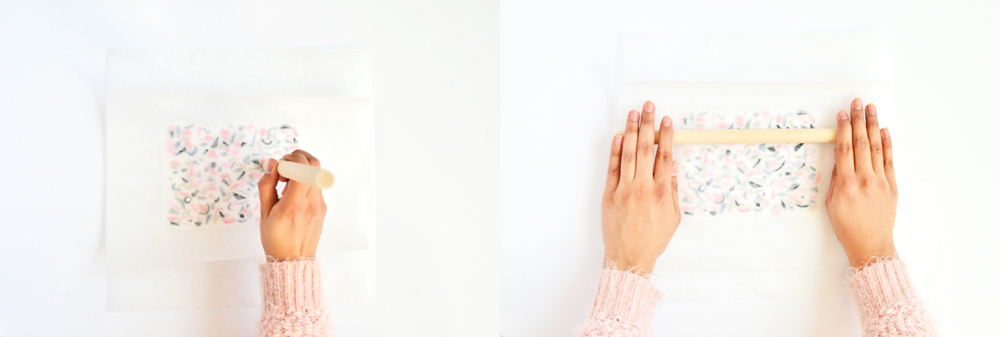
Creating a beautiful terrazzo-style tray requires careful attention to detail throughout the process. However, despite meticulous work, minor issues can sometimes arise. Understanding potential problems and their solutions empowers you to confidently address any challenges and ensure a flawless final product. Proper maintenance will also help to extend the life of your unique piece.
Common Problems and Solutions
Addressing potential issues during the creation process and maintaining the tray effectively are crucial for a satisfying outcome. A proactive approach to problem-solving and preventative maintenance ensures the longevity and aesthetic appeal of your handcrafted terrazzo tray.
| Problem | Possible Cause | Solution |
|---|---|---|
| Cracks in the Clay Base | Insufficient drying time of the clay base, uneven pressure during application of the terrazzo mixture, or shrinkage of the clay base during drying. | Ensure the clay base is thoroughly dried before applying the terrazzo mixture. Use gentle, even pressure during the application process. If cracks appear, carefully fill them with a mixture of clay and water, then smooth with a tool and allow it to dry thoroughly. Consider using a supporting structure under the clay base during drying to prevent warping. |
| Uneven Surface Finish | Inconsistent application of the terrazzo mixture, uneven drying, or improper use of tools for smoothing. | Apply the terrazzo mixture evenly and in thin layers. Ensure the mixture is thoroughly mixed before application. Use appropriate tools for smoothing and leveling, such as a rubber spatula or a glass scraper, ensuring consistent pressure and movement. If the surface is uneven, gently sand the area and reapply the mixture, ensuring proper drying time between applications. |
| Color Variations in the Terrazzo Mixture | Uneven mixing of the components of the terrazzo mixture, or use of components with varying shades. | Thoroughly mix the terrazzo components together to ensure an even distribution of colors. Use components with similar color shades, if possible. If color variations occur, consider carefully patching the area with matching terrazzo mixture. |
| Unwanted Bubbles in the Terrazzo Layer | Improper mixing of the terrazzo mixture, excessive moisture in the mixture, or insufficient pressing of the mixture onto the clay base. | Thoroughly mix the terrazzo mixture to ensure there are no lumps or pockets of air. Ensure the mixture has the right consistency, not too wet or too dry. Press the mixture firmly and evenly onto the clay base to remove any trapped air. Allow the mixture to dry completely before applying additional layers. |
Cleaning and Maintenance
Maintaining the aesthetic appeal and longevity of your terrazzo tray involves consistent care and attention. Proper cleaning methods prevent the buildup of dirt and grime, preserving the vibrant beauty of your handcrafted piece.
- Gentle cleaning with a soft cloth dampened with mild soap and water is typically sufficient. Avoid harsh chemicals or abrasive cleaners, which can damage the surface.
- To remove stubborn stains, use a soft-bristled brush to gently scrub the affected area, then rinse thoroughly with clean water.
- Avoid placing the tray in direct sunlight or near heat sources, as these can cause fading or warping over time.
- Allow the tray to air dry completely after cleaning to prevent water spots or mold.
Prolonging the Lifespan
Implementing preventative measures significantly enhances the lifespan of your terrazzo tray. By adhering to these guidelines, you can safeguard your investment and maintain its beauty for years to come.
- Avoid placing heavy objects directly onto the tray to prevent potential damage.
- Protect the tray from extreme temperature fluctuations, which can cause cracking or warping.
- When not in use, store the tray in a clean, dry place to prevent dust accumulation and potential damage.
Illustrative Examples
This section provides detailed explorations of three distinct terrazzo-style tray designs, showcasing diverse aesthetics and techniques. Each example demonstrates a unique application of the terrazzo method, highlighting the versatility and creative potential of this material.
Modern Geometric Design
This design emphasizes clean lines and geometric shapes, creating a contemporary aesthetic. The tray’s form is defined by precise angles and sharp edges, making it suitable for modern or minimalist interiors. The use of contrasting colors and textures creates visual interest and depth.
- Materials: White clay, black clay, gray clay, and small, polished river stones. A clear sealant will protect the finished tray.
- Steps:
- Prepare a flat clay base. Using a ruler and a compass, draw geometric shapes (triangles, squares, or hexagons) on the clay surface.
- Carefully embed the river stones into the clay, ensuring they are evenly spaced and properly aligned within the geometric patterns.
- Fill the remaining areas with contrasting clay colors, smoothing out the surfaces to achieve a seamless blend with the stones.
- Once the clay has dried, apply a clear sealant to protect the tray from moisture and enhance its durability.
Image Description: An image of the tray in progress shows the geometric shapes Artikeld in white clay, with black and gray clay filling the spaces. River stones are neatly embedded within the shapes. A close-up view would highlight the smooth transitions between the colors and the precise placement of the stones.
Rustic Farmhouse Design
This design evokes a rustic farmhouse feel, using natural materials and warm color palettes. The tray’s texture and overall form contribute to a cozy, inviting ambiance. It would be well-suited for a dining or living area with a similar aesthetic.
- Materials: Beige clay, brown clay, small pieces of wood bark, and small, smooth river rocks.
- Steps:
- Shape the clay base into a rectangular or oval form, and add subtle variations in texture by creating slight bumps or dimples.
- Carefully place the wood bark pieces in a scattered arrangement across the clay base, ensuring they blend with the overall texture.
- Embed the river rocks into the clay, using a variety of sizes and shapes to add visual depth.
- Fill the gaps between the wood bark and rocks with brown clay, and smooth the surface to create a cohesive design.
- Allow the clay to dry completely before applying a sealant.
Image Description: A picture of the tray shows a base of beige clay with a rustic texture. Pieces of wood bark are scattered across the surface, interspersed with small, river rocks. Brown clay fills the spaces, creating a warm and earthy color scheme.
Coastal Coastal Design
This design captures the serene beauty of a coastal scene, utilizing a cool color palette and natural materials to evoke a sense of tranquility. This tray would be perfect for a beach house or a room with a nautical theme.
- Materials: Light gray clay, sea-foam green clay, small seashells, and small pieces of polished glass.
- Steps:
- Prepare a circular clay base. Create subtle variations in the clay surface to mimic the gentle undulations of sand.
- Scatter small seashells in various sizes and shapes across the base, resembling a collection of beach treasures.
- Embed the polished glass pieces into the clay to represent reflective water.
- Fill the gaps with sea-foam green clay, creating a backdrop for the seashells and glass.
- Seal the finished tray for lasting beauty.
Image Description: An image of the tray displays a light gray clay base with subtle texture variations. Small seashells are scattered across the surface. Pieces of polished glass are embedded into the clay to resemble water reflections. Sea-foam green clay complements the design, enhancing the coastal aesthetic.
Ending Remarks
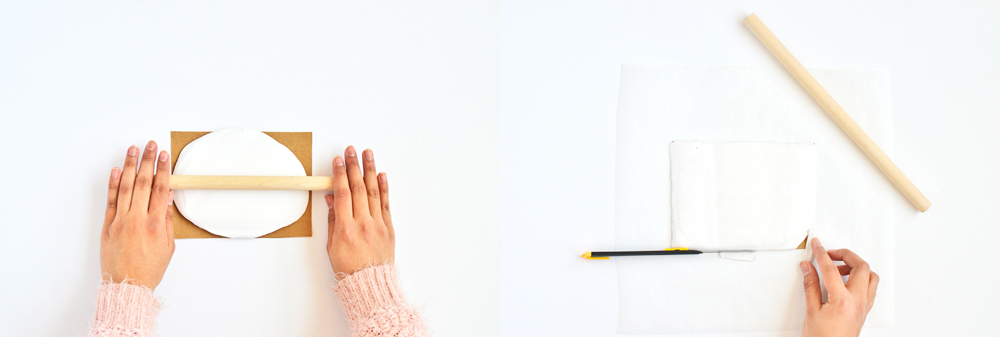
In conclusion, this comprehensive guide has walked you through the fascinating process of crafting a beautiful terrazzo-style tray using clay. We have explored the history, materials, techniques, and design considerations, culminating in a variety of illustrative examples. By following the steps Artikeld in this guide, you can confidently create a personalized and captivating piece of art, enhancing your home décor with a touch of unique elegance.