Rustic floating shelves add a touch of warmth and charm to any space. This comprehensive guide walks you through the process of building beautiful, custom-designed rustic shelves from the ground up. We’ll cover everything from choosing the perfect materials and tools to achieving the desired rustic aesthetic in the finishing touches.
Transforming your vision into a functional and visually appealing rustic floating shelf system can be surprisingly straightforward. The detailed steps Artikeld in this guide will ensure a successful outcome, from the initial design phase to the final finishing touches. Whether you’re a seasoned DIY enthusiast or a novice, this guide provides a clear and structured approach for creating your own unique rustic floating shelves.
Introduction to Rustic Floating Shelves
Rustic floating shelves offer a unique blend of functionality and aesthetic appeal, effortlessly complementing a wide array of interior design styles. Their open, airy design creates a sense of spaciousness while providing practical storage solutions. These shelves are particularly well-suited for showcasing cherished items and adding a touch of warmth and character to any room.Rustic styles encompass a broad spectrum of designs, each with its own distinct characteristics.
From the weathered charm of farmhouse style to the natural elegance of reclaimed wood, the possibilities for incorporating rustic elements into floating shelf design are diverse. This versatility allows homeowners to tailor the shelves to perfectly match their desired aesthetic, creating a personalized and inviting space.
Types of Rustic Styles
Rustic design encompasses a variety of styles, each with its own unique characteristics. Understanding these styles is key to creating shelves that complement your chosen aesthetic. Farmhouse style, characterized by simple lines and natural materials, often features distressed wood tones and visible knots. The reclaimed wood style showcases the unique character of repurposed wood, with variations in color, grain, and texture, lending an air of history and authenticity to the shelves.
A log cabin-inspired style might utilize rough-hewn wood, creating a cozy and inviting atmosphere. These examples, along with others like Shabby Chic, offer endless possibilities for personalization.
Inspirational Images
Visual representations can greatly enhance the understanding of the diverse range of rustic floating shelf styles. Imagine a farmhouse-style shelf, showcasing a collection of pottery and dried flowers, its distressed wood grain adding a touch of warmth. A reclaimed wood shelf might hold antique books, their aged covers complementing the unique character of the wood. A log cabin-inspired shelf, with its rough-hewn wood and natural tones, could display family photos and handcrafted items.
These examples illustrate how rustic floating shelves can be adapted to a wide range of aesthetics.
Advantages and Disadvantages of Building Rustic Floating Shelves from Scratch
Building rustic floating shelves from scratch allows for complete customization, enabling the creation of a truly unique and personalized piece. The ability to precisely control every detail, from the wood type to the finish, offers immense flexibility. However, this customization comes with a time commitment and requires specialized skills. The process of sourcing materials, cutting wood, and assembling the shelves can be time-consuming.
Furthermore, potential mistakes in construction can affect the overall aesthetic appeal.
Comparison of Pre-made and Custom-Built Shelves
| Feature | Pre-made Shelves | Custom-Built Shelves |
|---|---|---|
| Cost | Generally lower due to mass production | Potentially higher due to material costs and labor |
| Time | Faster to install, often requiring minimal assembly | More time-consuming, involving multiple steps of planning, construction, and finishing |
| Customization | Limited customization options, often requiring adjustments to existing designs | Unlimited customization potential, tailoring the shelf to individual preferences |
This table highlights the key differences between pre-made and custom-built rustic floating shelves. Consider the trade-offs between cost, time, and customization when making your decision.
Materials and Tools Required
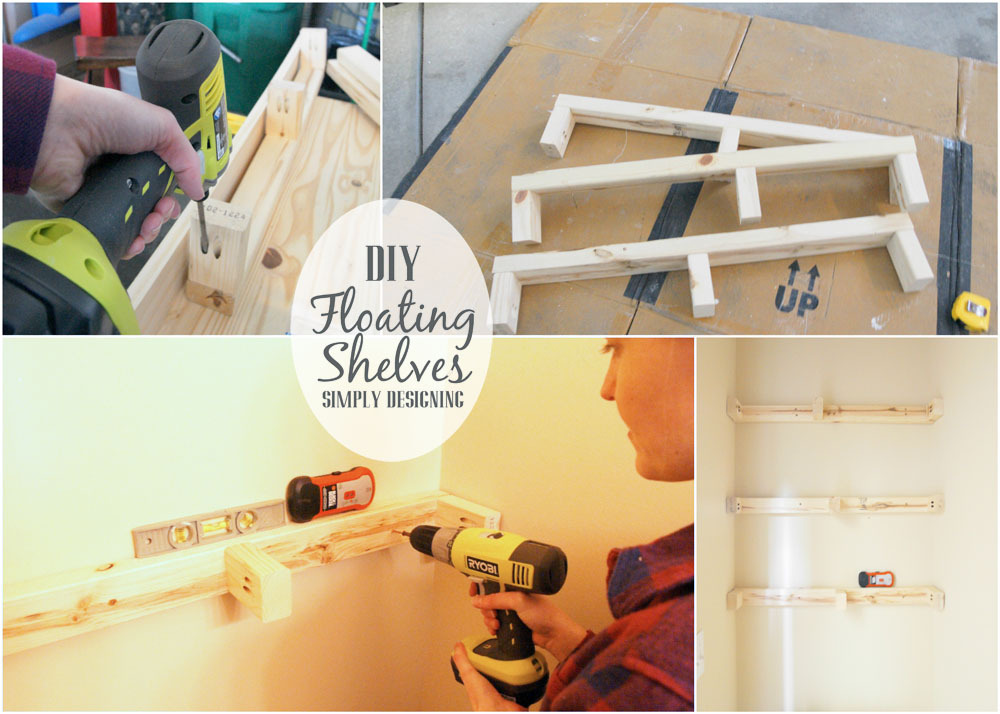
Building rustic floating shelves requires careful consideration of materials and tools to ensure a strong, aesthetically pleasing, and safe project. A well-chosen selection will greatly impact the outcome, from the shelf’s structural integrity to its final rustic appeal. Understanding the different options available and their associated costs is essential for planning your project effectively.Careful selection of materials and tools is crucial for a successful and safe rustic floating shelf project.
The right tools and materials will not only ensure the structural integrity of the shelves but also enhance the overall rustic aesthetic you’re aiming for. Understanding the costs associated with various options will aid in budgeting and planning.
Wood Types for Shelves
A variety of wood types can contribute to the rustic charm of your shelves. Choosing the right wood will impact the shelf’s durability, appearance, and overall cost. Consider factors like wood grain, density, and resistance to moisture.
- Pine: A popular choice for its affordability and relatively straightforward workability. It’s a good option for beginners, but its softness means it may require more support or reinforcement in certain applications. Pine is commonly used for rustic projects due to its natural warmth and subtle grain patterns.
- Cedar: Known for its natural resistance to rot and insects, cedar provides an attractive rustic look. Its fragrant scent adds to the overall ambiance. However, cedar can be more expensive than pine.
- Oak: A stronger and more durable option than pine or cedar. Its rich grain and natural beauty add a substantial rustic element. Oak’s higher price point should be considered against its long-lasting quality.
Hardware for Mounting
The hardware you choose for mounting the shelves will directly affect their stability and longevity. Consider the weight capacity of the shelves and the type of wall you’ll be mounting them to.
- Wall Anchors: Essential for securing the shelves to drywall or similar wall materials. Choose anchors appropriate for the weight of the shelves and the type of wall. Different types of anchors are available, including toggle bolts and adhesive anchors.
- Brackets: Brackets are the mounting hardware that hold the shelves. Selecting the correct bracket type, size, and finish is critical to the aesthetic appeal and structural support of the shelves.
- Screws: Use appropriate screws to secure the brackets to the shelves and the anchors to the wall. Choosing the right type and size of screws is essential for proper installation and long-term support.
Finishing Products
Finishing products enhance the aesthetic appeal of your rustic shelves and protect them from the elements. Consider the durability and the desired look.
- Wood Stain: Provides a deep, rich color to highlight the natural wood grain. Different stains can create varied rustic appearances.
- Polyurethane: A protective sealant that enhances the shelf’s durability and resistance to scratches and moisture.
- Paint: Provides a solid color for a more modern or specific aesthetic, though it may detract from the rustic look.
Tools Required
A variety of tools will be needed for the construction process, ranging from basic hand tools to power tools. Selecting the right tools will ensure efficiency and safety.
- Hand Tools: Include a measuring tape, pencil, saw (hand saw or coping saw), screwdriver set, hammer, clamps, and a level.
- Power Tools: Essential for tasks like cutting and drilling. A drill/driver, circular saw, sander, and optionally a router are helpful.
- Safety Equipment: Essential for preventing accidents. Include safety glasses, ear protection, and work gloves.
Safety Precautions for Power Tools
Using power tools requires adherence to strict safety protocols. Ignoring these precautions can lead to serious injury.
- Always inspect tools before use, ensuring they are in good working order.
- Use appropriate safety gear, such as safety glasses and ear protection.
- Keep work areas clear of obstructions.
- Never operate power tools when tired or under the influence of drugs or alcohol.
- Follow manufacturer instructions carefully.
Cost Comparison of Materials and Tools
The cost of materials and tools will vary depending on the type of wood, hardware, and tools selected. Consider factors like brand, quality, and quantity when comparing costs. Shop around for the best deals and compare prices across different suppliers.
| Material/Tool | Estimated Cost Range (USD) | Notes |
|---|---|---|
| Pine Wood | $10-$30 per board foot | Affordable and readily available. |
| Cedar Wood | $15-$40 per board foot | More expensive than pine, but durable. |
| Oak Wood | $25-$60 per board foot | More expensive, but exceptionally durable and visually appealing. |
| Wall Anchors | $5-$20 per pack | Depends on the type and size. |
| Brackets | $10-$30 per set | Quantity and quality influence the cost. |
| Screws | $5-$15 per bag | Consider the material and length needed. |
| Wood Stain/Polyurethane | $10-$30 per quart | Cost varies by brand and type. |
| Hand Tools | $20-$100 | Cost depends on the tools included. |
| Power Tools | $50-$500+ | Prices vary significantly by tool type and quality. |
Design and Planning
Designing your rustic floating shelves involves careful planning to ensure stability and aesthetic appeal. A well-considered layout and accurate measurements are crucial for a successful project. This phase involves determining the ideal placement, calculating support requirements, and selecting the appropriate shelf dimensions based on weight capacity.Careful consideration of these factors will contribute to a strong and visually appealing final product.
Shelf Layout and Measurements
Proper planning is essential for the successful installation of floating shelves. Begin by determining the desired location and the overall layout of the shelves. Consider the space available, the surrounding décor, and the intended purpose of the shelves. Measure the wall space meticulously to ensure accurate placement. Mark the intended locations of the shelves on the wall.
Precise measurements are paramount to avoid misalignment or uneven spacing. Using a level, confirm the wall’s straightness at the marked locations.
Support Calculations and Weight Capacity
Determining the weight capacity of the shelves is critical. Overloading can compromise the structural integrity of the shelves and lead to damage. Research the weight capacity of the chosen mounting hardware. Consider the weight of the items you intend to place on the shelves. A good rule of thumb is to use mounting hardware with a weight capacity significantly exceeding the anticipated load.
For example, if you anticipate placing books and decorative items weighing approximately 25 pounds on a shelf, use mounting hardware rated for at least 50 pounds. This safety margin ensures stability and prevents potential damage.
For accurate calculations, consult the manufacturer’s specifications for the chosen mounting hardware and consider using online calculators for additional support in your calculations.
Shelf Dimensions and Support
Selecting appropriate shelf dimensions is crucial. Consider the size and shape of the items you plan to display. If you anticipate displaying larger items, consider a wider shelf. The shelf’s depth should be sufficient for the items without compromising aesthetics. Support structures should be strategically placed to distribute the weight evenly.
A common method is to use multiple mounting points for larger shelves to enhance structural integrity and stability.
Design Ideas
Several design ideas can be incorporated into your rustic floating shelves:
- Single-Tiered Shelves: Simple and elegant, single-tiered shelves are ideal for displaying smaller items like books or decorative objects. They can be mounted at varying heights to create visual interest.
- Double-Tiered Shelves: Double-tiered shelves offer more display space, suitable for grouping items or creating a layered aesthetic. Consider varying the shelf heights for a visually appealing arrangement.
- Multi-Tiered Shelves: Multi-tiered shelves, with three or more tiers, offer extensive display space, suitable for larger collections or displaying various items. Staggering the tiers and ensuring adequate support are important considerations. Consider using different shelf widths or depths to add visual interest.
Importance of Accurate Measurements
Precise measurements are crucial to the success of the project. Any deviation from the planned dimensions can lead to structural instability or aesthetic issues. Using measuring tapes and levels ensures accuracy and minimizes errors. Using a level to check the wall’s straightness is essential for ensuring the shelves are installed correctly and uniformly.
Shelf Configurations
The following table Artikels various shelf configurations and considerations:
| Shelf Configuration | Description | Considerations |
|---|---|---|
| Single-Tiered | A single shelf. | Ideal for small items, easy to install. |
| Double-Tiered | Two shelves mounted one above the other. | Suitable for displaying items in groups, varying heights. |
| Multi-Tiered | Three or more shelves mounted in a tiered arrangement. | Ideal for extensive displays, requires sturdy supports, staggered heights for visual appeal. |
Construction Process
Crafting rustic floating shelves involves meticulous preparation and precise assembly. Understanding the steps for cutting, assembling, and securing the shelves to the wall is critical for achieving a sturdy and aesthetically pleasing final product. This section details the entire process, from wood preparation to achieving the desired rustic finish.
Wood Preparation and Cutting
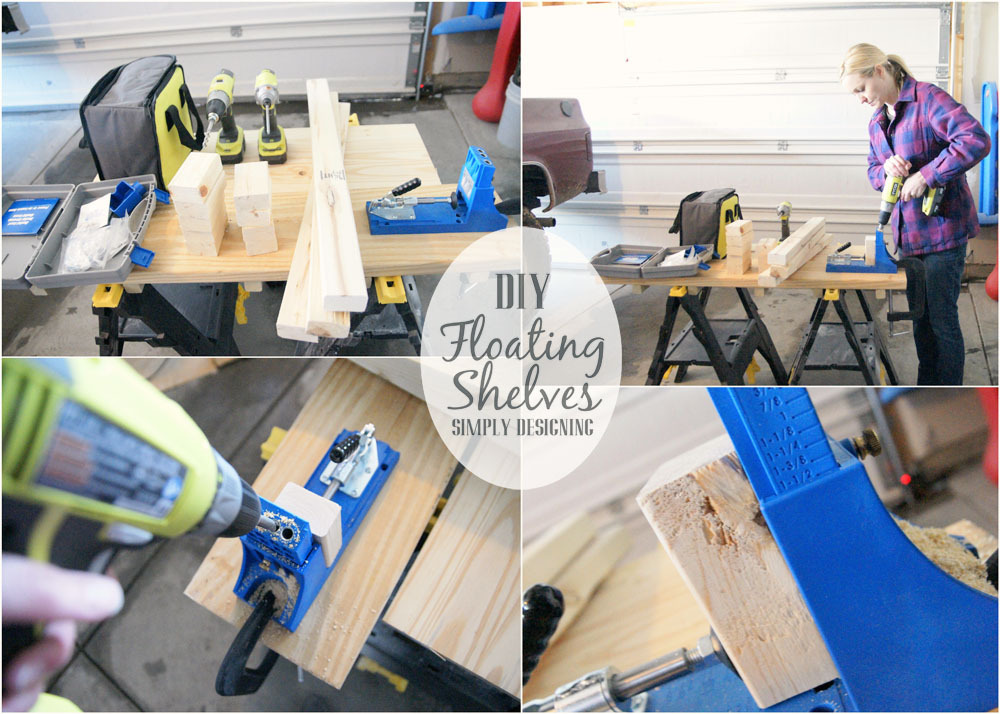
Properly preparing the wood ensures the shelves’ structural integrity and a consistent appearance. Accurate measurements and careful cutting are paramount. Begin by meticulously measuring the desired shelf dimensions. Using a sharp saw, such as a handsaw or a circular saw, cut the wood pieces to the precise measurements. Ensure clean cuts to avoid splinters and inconsistencies in the finished product.
If using reclaimed wood, the inherent variations in the wood’s texture and color contribute to the rustic aesthetic. Account for these variations when planning the design. Additionally, consider pre-drilling pilot holes for screws to prevent wood splitting during installation.
Shelf Assembly
Achieving a strong and stable shelf assembly is crucial. Employ a variety of joinery techniques to ensure the shelf’s structural integrity. For instance, using wood glue and screws in combination will create a robust connection. Start by applying wood glue to the joint surfaces. Then, carefully align the pieces and secure them with screws, ensuring even pressure and avoiding over-tightening.
Use wood clamps to hold the pieces together while the glue sets for optimal results. Consider the use of biscuits or dowels for enhanced stability, especially for larger shelves. These techniques provide a more substantial bond, increasing the shelf’s load-bearing capacity.
Attaching Shelves to the Wall
Securing the shelves to the wall requires careful planning and precise execution. The structural integrity of the shelves relies on appropriate wall anchors and fasteners. First, mark the wall studs using a stud finder. This step is essential for ensuring the shelves are attached to strong points, maximizing their stability. Use appropriate wall anchors and screws that match the wall type (e.g., drywall, concrete).
Drill pilot holes into the studs to prevent wood splitting and ensure proper fastener insertion. Then, carefully insert the wall anchors and attach the shelves using the pre-drilled pilot holes.
Achieving a Rustic Finish
A rustic finish adds character and charm to the shelves. Several techniques can achieve this look. Consider using wood stain or paint in a color that complements the surrounding decor. Alternatively, using a clear sealant, such as varnish or polyurethane, can highlight the wood’s natural beauty and protect it from moisture. Sanding the wood smooth before applying any finish ensures an even and appealing surface.
For a truly rustic touch, consider using a distressed or weathered finish by distressing the edges of the wood with sandpaper.
Securing Shelves to the Wall: Step-by-Step
| Step | Action |
|---|---|
| 1 | Locate wall studs using a stud finder. |
| 2 | Mark the stud locations on the wall. |
| 3 | Select appropriate wall anchors and screws, matching the wall type. |
| 4 | Drill pilot holes into the studs, matching the screw size. |
| 5 | Insert wall anchors into the pilot holes. |
| 6 | Attach the shelves to the wall anchors using the screws. |
| 7 | Ensure even pressure and avoid over-tightening. |
Finishing Touches
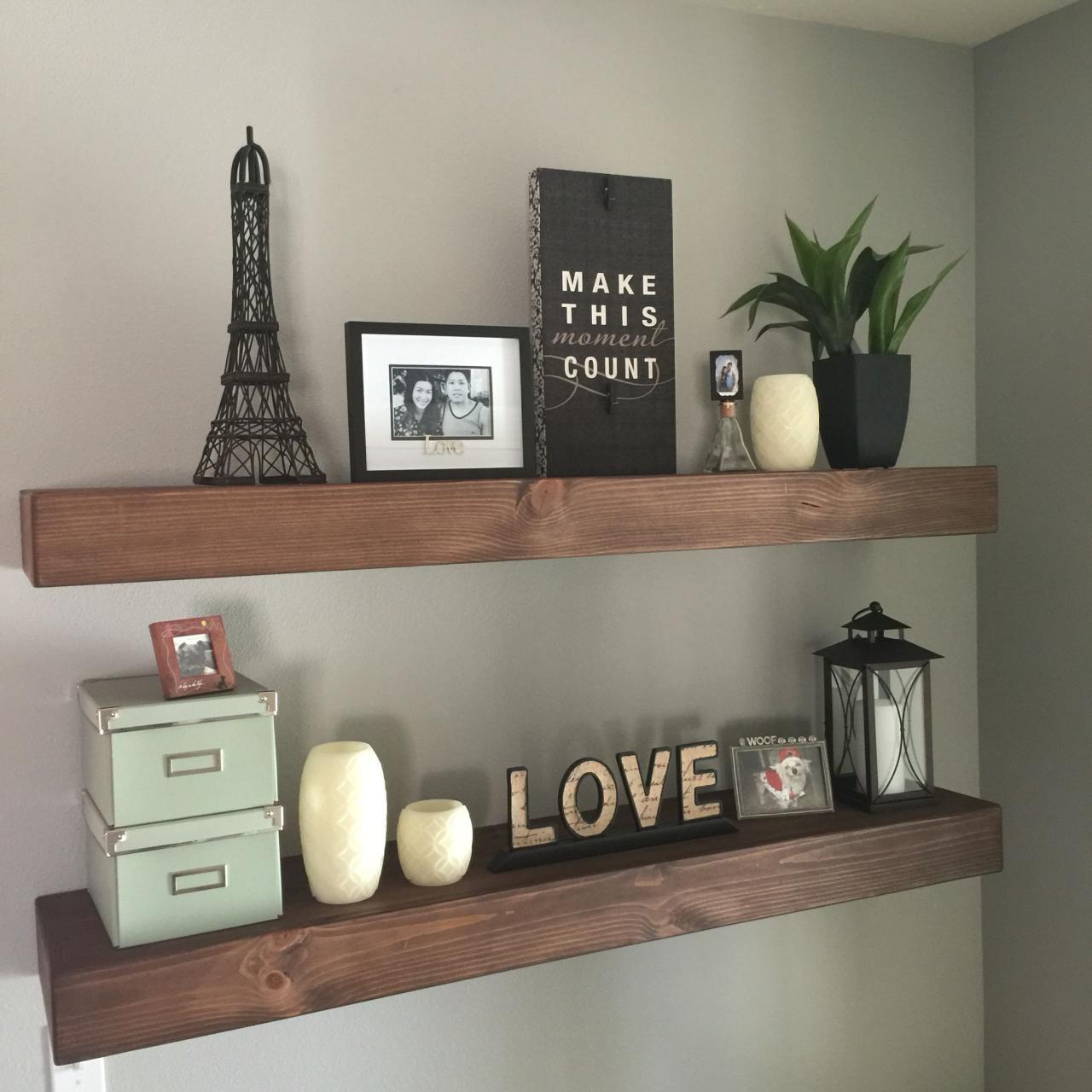
Transforming your rustic floating shelves from raw materials to finished works of art hinges on the careful application of finishes. Properly chosen and applied finishes not only enhance the aesthetic appeal but also protect the wood from environmental damage, ensuring longevity. This section details the crucial steps involved in achieving a truly rustic and enduring look.
Surface Preparation
Thorough surface preparation is paramount before applying any finish. This involves removing any imperfections, dust, or debris. This step creates a smooth and consistent surface, promoting even finish application and maximizing the longevity of the shelf. For optimal results, use fine-grit sandpaper (e.g., 180-220 grit) to smooth out any rough edges or splinters. This meticulous process ensures a professional-looking final product.
After sanding, thoroughly clean the surface with a tack cloth to remove any dust particles. This meticulous attention to detail ensures a robust and durable finish.
Applying Rustic Finishes
Achieving a rustic aesthetic requires careful consideration of the finish. Staining, painting, or waxing are common methods. Each technique yields a unique look, and the choice depends on the desired aesthetic. For a natural, weathered look, a water-based stain applied in multiple coats, with some areas intentionally left unstained, creates a visually appealing depth. Conversely, a well-executed distressed paint finish, achieved by sanding or scraping certain areas, can yield a similar aged appearance.
Applying wax to a pre-stained or painted surface adds a layer of protection and a subtle sheen, highlighting the grain of the wood. This step enhances the overall visual appeal and durability of the shelf.
Weathered and Distressed Techniques
To achieve a convincingly weathered or distressed look, various techniques can be employed. One method involves selectively sanding certain areas to expose the raw wood underneath, creating a natural-looking effect. Alternatively, using a wire brush or a scraper can create a similar distressed appearance. For a more intricate approach, consider using a wood stain that allows for layering.
Each layer can be intentionally left to dry unevenly or be layered in a way that leaves some parts lighter, creating a visual effect.
Finishing Examples
Different rustic finishes produce distinct outcomes. A dark, walnut stain paired with a light distressing technique creates a dramatic contrast, emphasizing the wood’s texture. Alternatively, a light gray paint with carefully applied weathering effects through sanding generates a subtle, timeless appeal. Natural wood finishes, such as a clear sealant or a light oil finish, maintain the wood’s inherent beauty and emphasize its natural grain.
Finishing Steps Table
| Step | Materials | Procedure |
|---|---|---|
| Surface Preparation | Fine-grit sandpaper (180-220 grit), tack cloth | Sand the surface, clean with a tack cloth |
| Stain Application | Water-based stain, paintbrush | Apply multiple coats, allow each coat to dry |
| Distressing (optional) | Sandpaper, wire brush, scraper | Sand or scrape selected areas to reveal the raw wood |
| Paint Application (optional) | Paint, paintbrush | Apply coats, allowing each to dry |
| Wax Application (optional) | Wax, brush | Apply wax to the finished surface |
| Finishing Sealant (optional) | Sealant, brush | Apply a final protective sealant |
Troubleshooting and Maintenance
Congratulations on completing your rustic floating shelves! Proper maintenance will ensure these beautiful additions to your home remain functional and attractive for years to come. Addressing potential issues promptly can prevent more significant problems and keep your shelves looking their best.Careful attention to the construction process and the materials used are key to long-term shelf stability and appearance.
Common Construction Issues and Solutions
Careful planning and execution minimize potential issues during construction. However, unforeseen circumstances can occur. Understanding possible problems and their solutions is crucial for a smooth project.
- Uneven Shelves: If the shelves are not level, this can be due to inaccurate measurements, uneven wall surfaces, or insufficient support. Re-measure and adjust the mounting points. Use shims or leveling blocks to achieve a perfect horizontal alignment.
- Weak Support: Insufficient support for the weight of the shelves or objects placed on them can lead to sagging or breakage. Ensure adequate support by using sturdy mounting hardware and reinforcing the shelf supports if necessary. Consider the weight capacity of the materials used and distribute weight evenly across the shelf.
- Gaps or Misalignment: Misaligned or spaced mounting holes, or expansion/contraction of the wood, can result in gaps between the shelf and the wall. Carefully check the mounting locations and ensure the brackets are aligned correctly before securing them. Apply wood filler to any gaps and re-sand as needed.
Maintenance for Longevity
Maintaining your rustic floating shelves involves regular checks and cleaning. These steps help preserve their aesthetic appeal and prevent deterioration.
- Regular Inspections: Periodically inspect the shelves for any signs of damage, such as cracks, loosening screws, or warping. Address any issues immediately to prevent further damage. This proactive approach extends the life of your shelves.
- Cleaning: Use a soft cloth and mild detergent to clean the shelves, avoiding harsh chemicals that could damage the wood finish. Dry the shelves thoroughly to prevent water damage. Regular cleaning will maintain their original aesthetic appeal.
- Weight Distribution: Distribute the weight of objects placed on the shelves evenly to avoid stress on specific areas. Avoid placing exceptionally heavy items in one spot, which could cause sagging or damage over time.
Repairing Minor Damage
Minor damage can be repaired to maintain the integrity and aesthetic appeal of your shelves. Quick action is essential.
- Minor Cracks: Use wood filler to repair minor cracks or chips in the wood. Sand the filler smooth and re-stain or paint as needed to match the original finish. This restores the shelf’s appearance and structural integrity.
- Loose Screws: Tighten any loose screws or brackets to prevent further damage or instability. If the screw holes are stripped, use wood screws with appropriate size and material to ensure proper attachment.
- Re-staining/Painting: If the wood finish shows signs of wear or fading, consider re-staining or painting the shelves. Use a similar stain or paint color to maintain the rustic aesthetic. Ensure the wood is clean and dry before applying any new finish.
Troubleshooting Table
This table summarizes common issues and their solutions.
| Problem | Solution |
|---|---|
| Uneven shelves | Re-measure, adjust mounting points, use shims |
| Weak support | Use sturdy hardware, reinforce supports, distribute weight evenly |
| Gaps/misalignment | Check mounting locations, align brackets, use wood filler |
| Minor cracks | Use wood filler, sand smooth, re-stain/paint |
| Loose screws | Tighten screws, use appropriate replacement screws |
Ultimate Conclusion
In conclusion, building rustic floating shelves from scratch is a rewarding project that combines design, craftsmanship, and aesthetic appeal. By following the comprehensive steps Artikeld in this guide, you can create beautiful and functional shelves that will enhance your home decor. Remember to carefully consider the materials, design, and finishing touches to achieve the desired rustic look. Enjoy the process and the final result!