Transform your walls into stunning works of art with this comprehensive guide on creating DIY sponge-stamped wallpaper. Learn how to achieve unique textures and patterns using readily available materials, and discover the satisfying process of bringing your vision to life. This guide covers everything from choosing the right sponges and materials to applying your design and finishing touches, making it an easy-to-follow tutorial for any level of crafter.
Beyond the aesthetic appeal, creating your own wallpaper offers significant cost savings compared to purchasing pre-made options. Furthermore, the process allows for personalization, enabling you to express your unique style and preferences in a way that perfectly suits your home’s decor. This detailed approach ensures you are well-equipped to navigate each step effectively.
Introduction to DIY Sponge Stamp Wallpaper

Creating DIY wallpaper using a sponge stamp is a fantastic way to personalize your home decor. This technique allows for unique and artistic patterns, transforming plain walls into captivating focal points. It’s a cost-effective alternative to store-bought wallpaper, and the process is surprisingly straightforward. From subtle textures to bold designs, the possibilities are endless.This method offers a significant advantage over commercially produced wallpaper, as it empowers you to tailor the design and aesthetics to your exact preferences.
You have complete control over the colors, patterns, and textures, enabling a truly bespoke and personal touch to your interior. Further, it’s often more economical than purchasing pre-made wallpaper, saving you money while creating a truly unique atmosphere in your home.
Sponge Types for DIY Wallpaper
Choosing the right sponge is crucial for achieving the desired effect. Different sponge types offer various textures and levels of detail, allowing for a range of artistic expressions. Understanding the characteristics of different sponges will guide you in selecting the ideal tool for your project.
Sponge Type Suitability for Different Effects
The type of sponge used directly impacts the final wallpaper design. Different sponges create distinct textures and patterns, from subtle stippling to bold imprints. Selecting the appropriate sponge will enhance the desired effect, resulting in a visually appealing and well-executed DIY project.
| Sponge Type | Texture | Wallpaper Effect | Suitability |
|---|---|---|---|
| Natural Sea Sponge | Rough, porous | Textured, mottled patterns | Excellent for creating a rustic or natural aesthetic; may not be ideal for precise designs. |
| Kitchen/Cleaning Sponges | Medium-coarse, absorbent | Stippled or textured patterns | Suitable for a variety of designs, offering a balance between detail and texture. |
| Foam Sponges (various densities) | Fine to coarse | Delicate patterns or bold imprints | Ideal for creating detailed designs; varying density impacts the level of detail. |
| Sponge Paint applicators | Various shapes and textures | Specific patterns | These sponges are great for creating more specific and deliberate patterns. |
Materials and Tools Needed
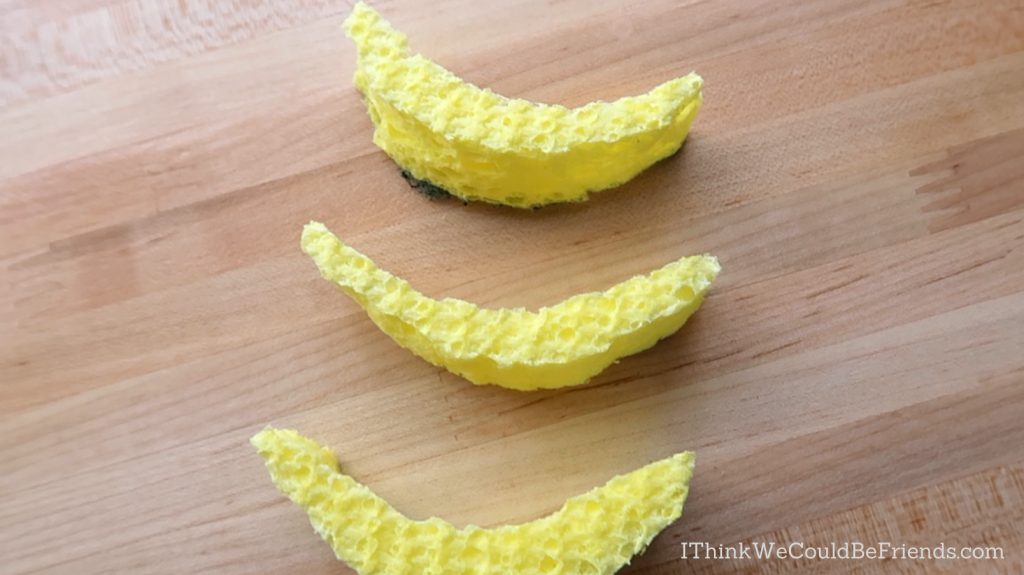
Creating DIY wallpaper using sponge stamping requires careful selection of materials and tools. A well-chosen combination ensures a smooth and aesthetically pleasing final product. Understanding the properties and functionalities of each component is crucial for a successful project.
Materials Required
Proper material selection is vital for achieving the desired outcome in your DIY wallpaper project. The choice of materials impacts the final appearance, durability, and overall aesthetic appeal. Different materials offer varying levels of texture, color intensity, and potential for creativity.
- Base Paper/Fabric: A sturdy base is essential for supporting the stamped design. This can be plain white paper, wallpaper, or even a sturdy fabric. The type of paper or fabric will influence the final look and feel of your wallpaper. Consider using heavier weight paper or canvas for a more durable and robust finish. For example, a thicker paper will provide better support for the stamped design and minimize the risk of tearing or warping during the process.
- Acrylic Paints: A range of acrylic paints in various colors is necessary to create the desired patterns and designs. Acrylic paints are versatile, water-based, and suitable for various surfaces. The paints should be high-quality to ensure vibrant colors, smooth application, and long-lasting results. Consider a set of paints covering a spectrum of colors to achieve diverse effects.
- Sponge Stamps: A variety of sponge stamps with different textures and shapes is crucial for creating different patterns. The quality of the sponge will influence the consistency of the stamp and the quality of the impression. Look for stamps with dense sponges that hold the paint well.
- Water-Based Glue or Adhesive: A suitable adhesive is necessary to secure the wallpaper to the wall or other surfaces. Water-based glues are commonly used for wallpaper projects due to their ease of application and environmental friendliness. Test the adhesive on a small, inconspicuous area before applying it to the entire surface to ensure compatibility with your chosen materials.
- Protective Gloves: Wearing gloves will protect your hands from paint and glue, preventing stains and ensuring a clean working environment. Latex or nitrile gloves are commonly used for this purpose. Always prioritize safety and hygiene throughout the process.
Tools Needed
Selecting the right tools is equally important for a smooth and efficient process. The quality of the tools will directly impact the outcome of your project.
- Paintbrushes: A small paintbrush for applying paint to the sponge stamps and a larger brush for smoothing out any uneven areas of paint is essential. The size and type of brush will influence the precision of your paint application.
- Palette or Tray: A palette or tray is necessary for mixing paints and holding small amounts of paint. A clean palette is important to prevent paint from drying unevenly.
- Scissors or Craft Knife: A pair of sharp scissors or a craft knife for trimming the wallpaper or adjusting the edges is helpful. Sharp tools prevent tearing or uneven cuts.
- Measuring Tape: A measuring tape for accurately measuring the area to be covered is crucial. Accurate measurements prevent errors in the project.
- Pencil or Marker: A pencil or marker for marking the layout of the wallpaper design is necessary. A light pencil mark helps you maintain the pattern and consistency of your design.
Materials and Their Purposes
The table below Artikels the materials and their specific roles in the DIY wallpaper project.
| Material | Purpose |
|---|---|
| Base Paper/Fabric | Provides a surface for the stamped design. |
| Acrylic Paints | Creates the colors and patterns on the wallpaper. |
| Sponge Stamps | Imprints the design onto the base material. |
| Water-Based Glue/Adhesive | Affixes the wallpaper to the wall or other surface. |
| Protective Gloves | Protects hands from paint and glue. |
| Paintbrushes | Applies paint to stamps and smoothes uneven areas. |
| Palette/Tray | Mixes paints and holds paint for application. |
| Scissors/Craft Knife | Trims or adjusts the wallpaper edges. |
| Measuring Tape | Accurately measures the area to be covered. |
| Pencil/Marker | Marks the layout of the wallpaper design. |
Importance of High-Quality Materials
Using high-quality materials is essential for optimal results. High-quality paints produce vibrant colors and smoother finishes, while sturdy base materials prevent tearing and warping. The quality of sponge stamps directly affects the clarity and precision of the stamped design. Ultimately, choosing high-quality materials ensures a more professional and lasting outcome.
Cost-Effectiveness of Materials
The cost-effectiveness of materials varies. While premium paints and specialized stamps may have a higher initial cost, their superior quality and durability often result in long-term savings. Lower-cost materials may require more effort or multiple applications to achieve the desired outcome. Carefully evaluate the balance between cost and quality to determine the best materials for your budget and project needs.
Preparing Materials
Proper preparation of materials is vital for a successful project. This includes ensuring paints are thoroughly mixed, checking for any damage or imperfections in the base materials, and ensuring the adhesive is ready for use. Preparation will ensure that the project proceeds smoothly and the final product is of high quality.
Preparing the Surface
A crucial step in achieving a flawless DIY sponge-stamped wallpaper project is properly preparing the wall surface. This ensures the wallpaper adheres effectively and provides a smooth, even backdrop for your design. A well-prepared surface minimizes potential issues like bubbling or peeling, ultimately leading to a more aesthetically pleasing and durable final product.Proper surface preparation is vital for the success of any wallpaper project.
A smooth, clean surface allows the wallpaper to adhere evenly, minimizing the risk of imperfections. This meticulous preparation step contributes significantly to the long-term longevity and aesthetic appeal of the finished product.
Assessing the Existing Wall Surface
Before commencing any preparation, thoroughly inspect the wall to identify any existing issues. This assessment is critical for selecting the appropriate preparation methods. Flaking paint, loose plaster, or significant imperfections must be addressed to prevent these issues from transferring to the final wallpaper application.
Addressing Potential Issues
- Flaking Paint: If the wall exhibits flaking paint, gently scrape off the loose particles. Ensure all remnants are removed. A putty knife or a scraper is ideal for this task. If necessary, use a sanding block to smooth any remaining unevenness.
- Loose Plaster: Loose or crumbling plaster needs careful attention. Use a putty knife or plastering tool to carefully remove the damaged sections. Then, fill the cavities with a suitable patching compound, allowing it to dry completely according to the manufacturer’s instructions. Sand the area smooth once dry.
- Significant Imperfections: Dents, holes, or other significant imperfections should be filled with appropriate patching compounds. These compounds are designed to match the wall’s existing texture and color. Ensure the compound is completely dry before sanding to a smooth finish.
- Uneven Surfaces: For walls with significant unevenness, consider using a wall patching compound or a leveling compound to create a smooth surface. Apply in thin layers and allow each layer to dry completely before proceeding to the next.
Different Wall Surface Types
Different wall surfaces require varying preparation techniques.
| Wall Surface Type | Preparation Steps |
|---|---|
| Drywall | Clean the surface using a damp cloth. Fill any holes or imperfections with drywall compound and allow to dry. Sand the area smooth to create a level surface. |
| Plaster Walls | Inspect for loose plaster or cracks. Remove any damaged sections and fill the cavities with plaster. Allow sufficient drying time and sand smooth before proceeding. |
| Painted Walls | Ensure the paint is in good condition. Remove any flaking or peeling paint and fill any imperfections. Prime the wall if necessary to ensure good adhesion for the new coat. |
Step-by-Step Wall Preparation Guide
- Assessment: Thoroughly inspect the wall for any imperfections, such as flaking paint, loose plaster, or significant dents.
- Cleaning: Clean the wall surface using a damp cloth or sponge to remove any dust, dirt, or debris.
- Repairing Imperfections: Address any loose plaster, cracks, or holes using appropriate patching compounds. Allow ample drying time between applications.
- Sanding: Sand all patched areas and any uneven surfaces to create a smooth, even surface. Use progressively finer grits of sandpaper for optimal results.
- Priming (Optional): If needed, prime the wall to ensure good adhesion for the wallpaper. Follow the manufacturer’s instructions for the chosen primer.
- Allowing to Dry: Allow all materials to dry completely before proceeding to the next step.
Creating the Sponge Stamp Designs
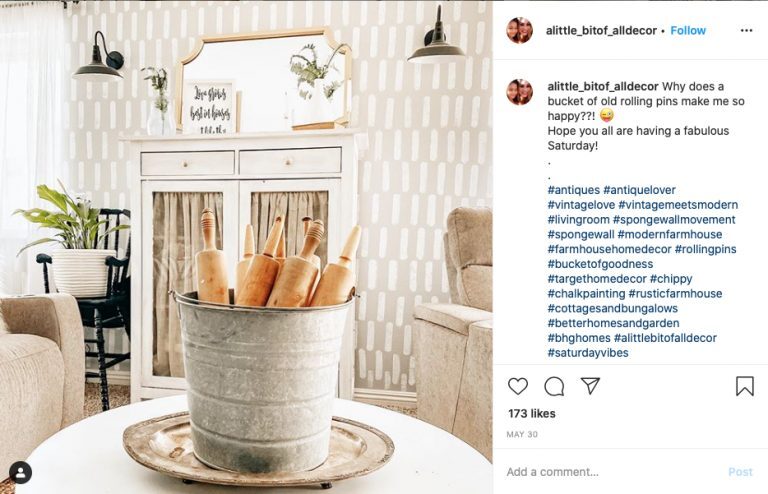
Crafting captivating sponge stamp patterns hinges on mastering various techniques and understanding how to manipulate the sponge. This section will delve into the nuances of design creation, exploring techniques for achieving diverse textures and effects, and emphasizing the critical role of pressure and angle control. Understanding these elements is key to achieving both symmetrical and asymmetrical patterns, and effectively layering colours and patterns to create truly unique DIY wallpapers.Employing a variety of sponge types and sizes allows for diverse outcomes.
Experimentation is encouraged to find the ideal sponge for a specific design. From subtle textures to bold patterns, the sponge offers a versatile medium for artistic expression.
Sponge Stamp Techniques
Different sponge stamp techniques can produce distinct patterns and textures. Experimentation is vital to discovering the desired effect. A simple dabbing technique can result in a speckled or mottled appearance, while a more deliberate stamping method can create crisp, defined shapes.
Controlling Pressure and Angle
The pressure exerted on the sponge and the angle at which it is applied significantly impact the final result. Light pressure creates delicate, subtle marks, ideal for creating a soft, airy aesthetic. Heavier pressure, on the other hand, yields bolder, more pronounced patterns, suitable for creating impactful designs. The angle of the sponge also dictates the shape and direction of the stamp.
Varying the angle allows for the creation of intricate patterns and textures.
Achieving Different Textures and Effects
The sponge’s texture plays a crucial role in determining the final look of the design. A dense sponge will create a more solid impression, while a softer, more porous sponge will produce a more delicate, diffused effect. Using sponges with different textures allows for a wider range of aesthetic possibilities.
Importance of Layering Colours and Patterns
Layering colours and patterns is an effective strategy for creating depth and complexity in the design. Applying a base colour first and then layering a secondary colour on top, for example, can generate an interesting interplay of hues. Varying the opacity of each layer can further enhance the depth and visual interest. Experimenting with different colour combinations and layering techniques will help you discover new ways to personalize your designs.
Symmetrical and Asymmetrical Patterns
Symmetrical patterns, with their balanced arrangement, can create a sense of order and harmony. Conversely, asymmetrical patterns, with their deliberate lack of symmetry, can add dynamism and visual interest to the design. The choice between these two approaches depends on the desired aesthetic for the wallpaper. Carefully planned placement of elements within the design can greatly influence the overall outcome.
Comparison of Sponge Stamp Techniques
| Technique | Description | Effect |
|---|---|---|
| Dabbing | Light pressure, quick dabbing motions | Speckled, mottled, subtle textures |
| Stamping | Moderate to heavy pressure, controlled stamps | Crisp shapes, defined patterns |
| Dragging | Sponge dragged across the surface | Flowing lines, blended textures |
| Stippling | Small, repeated dots | Detailed patterns, intricate textures |
Applying the Wallpaper
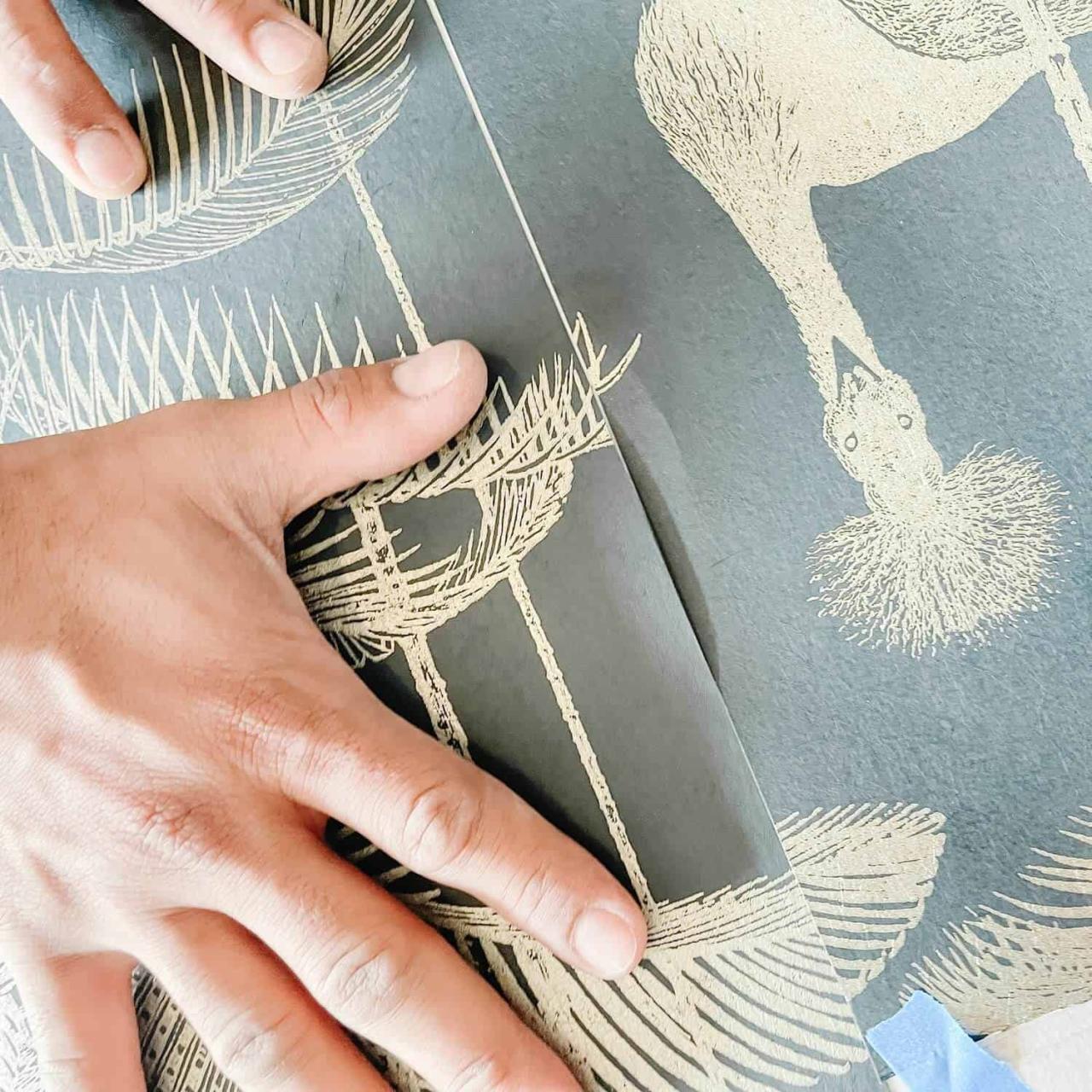
Applying the sponge-stamped design to your wall requires careful attention to detail and a methodical approach. A precise application technique ensures even coverage and a professional-looking finish. Consistency in the application process is key to achieving a visually appealing and well-executed project.
Applying the Design Methodically
Proper application technique ensures a uniform look. A systematic approach to applying the design minimizes the potential for errors and creates a visually appealing result. Begin by selecting a small section of the wall and applying the design, ensuring each section is thoroughly completed before moving to the next.
- Initial Application: Begin by applying a thin, even layer of wallpaper adhesive to the chosen section of the wall. Ensure the adhesive is distributed evenly to prevent any unevenness in the wallpaper’s final application.
- Sponge Stamp Application: Carefully position the sponge stamp over the adhesive-coated area and gently press to transfer the design. Maintain consistent pressure throughout the stamping process for optimal results.
- Subsequent Applications: Repeat the process for subsequent sections of the wall, ensuring that the design elements align seamlessly and avoid overlapping patterns. Carefully place the sponge stamp to avoid distortion or overlapping patterns.
- Drying and Finishing: Allow the applied design to dry completely according to the adhesive instructions. Once dry, inspect the design for any imperfections or areas requiring further attention.
Achieving Even Coverage
Maintaining even coverage across the entire surface is crucial for a professional look. Uneven coverage can detract from the overall aesthetic appeal of the project.
- Consistent Adhesive Application: Ensure a uniform layer of adhesive is applied to the wall before each stamping session. A consistent application helps prevent areas with varying amounts of adhesive.
- Controlled Stamping: Employ consistent pressure and a controlled stamping motion to ensure the design is transferred evenly across the surface. Avoid excessive pressure, which could lead to distorted patterns.
- Pattern Alignment: Pay meticulous attention to aligning the pattern sections. Aligning the patterns will create a cohesive and visually appealing finish. Misalignment can disrupt the overall aesthetic and require re-application.
Handling Mistakes and Imperfections
Addressing imperfections and mistakes promptly is vital for a successful outcome. Addressing these issues early minimizes potential damage or noticeable errors.
- Early Detection: Inspect the wall section after each stamping session to detect any misalignments or unevenness. Early detection allows for prompt correction.
- Corrective Actions: If any imperfections are discovered, gently remove the affected area with a damp cloth or sponge and reapply the adhesive and design. Use a damp sponge or cloth to gently remove any excess or incorrectly applied areas.
- Re-application Technique: Re-apply the adhesive to the affected area and carefully re-stamp the design. Ensure the newly applied design aligns with the surrounding areas for a seamless finish. Use a small spatula to remove the excess wallpaper.
Tips for a Professional Finish
Following these tips can significantly improve the appearance and quality of the final product. Implementing these strategies will result in a more professional and visually appealing finish.
- Proper Ventilation: Ensure adequate ventilation in the room to allow the adhesive to dry properly and prevent potential issues.
- Working in Sections: Work in manageable sections to maintain a consistent application. Divide the wall into smaller sections to avoid fatigue and maintain quality control.
- Quality Materials: Use high-quality materials for both the wallpaper adhesive and sponge stamps. Quality materials contribute to a better final product and improve the longevity of the project.
Finishing Touches and Maintenance
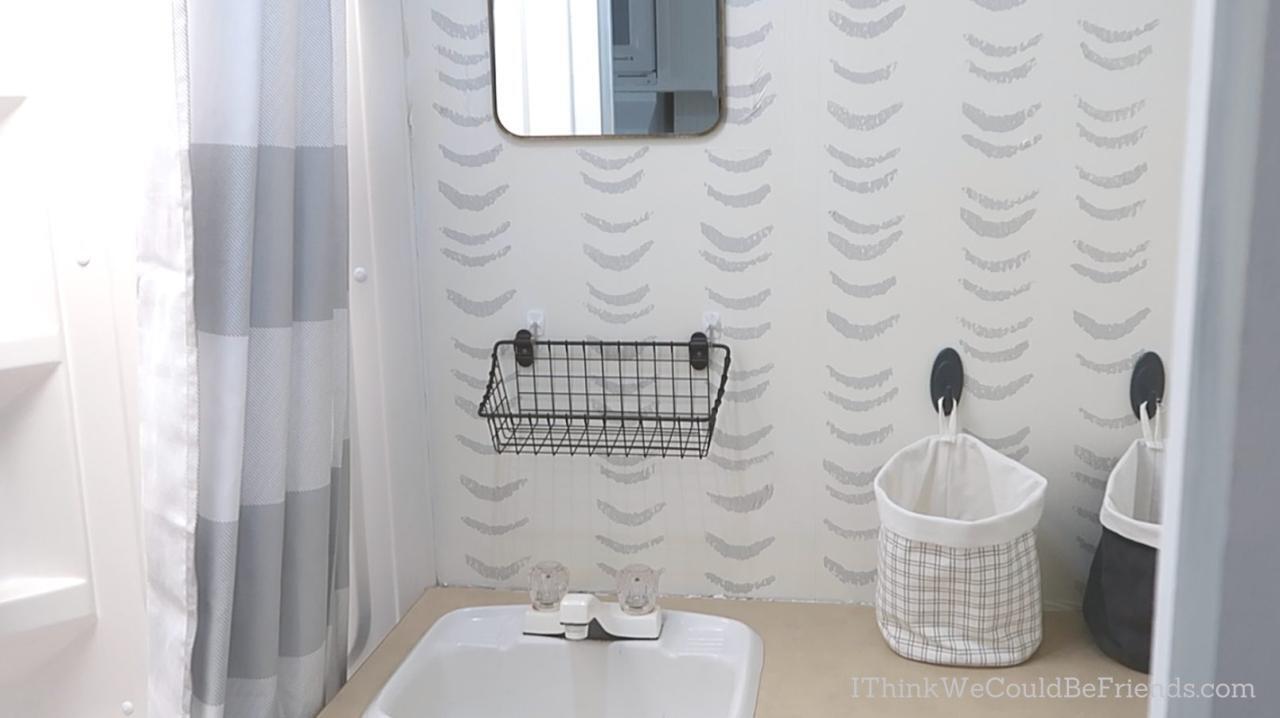
Protecting and preserving your DIY sponge-stamped wallpaper is crucial for its longevity and aesthetic appeal. Proper sealing and regular maintenance will ensure your creative masterpiece remains vibrant and beautiful for years to come. Careful consideration of these finishing touches will greatly enhance the overall lifespan and aesthetic impact of your project.
Sealing and Protecting the Wallpaper
Ensuring the durability and longevity of your DIY wallpaper requires a protective sealant. This crucial step prevents the wallpaper from absorbing moisture, staining, and fading, while also safeguarding it against everyday wear and tear.
Several types of sealants are suitable for DIY sponge-stamped wallpaper, each with unique properties and advantages. Selecting the right sealant depends on the specific materials used in the creation of the wallpaper and the desired level of protection.
- Acrylic-based sealants are a popular choice for their affordability and ease of application. They offer a moderate level of protection against moisture and minor stains, making them suitable for interior walls. Examples include various types of acrylic paints and sealers available in hardware stores.
- Polyurethane sealants provide superior protection against moisture, abrasion, and stains, making them ideal for high-traffic areas or for projects where durability is paramount. These sealants typically form a hard, protective layer, enhancing the wallpaper’s resistance to damage.
- Clear varnish, in some instances, can be an excellent sealant, offering a transparent protective layer that enhances the visual appeal of the design. This option is particularly effective when preserving the intricate details of the sponge-stamped design.
Maintaining the Wallpaper
Regular maintenance is essential for preserving the beauty and integrity of your DIY wallpaper. A simple routine of care can significantly extend the lifespan of your creation.
- Regular dusting is a fundamental part of maintaining the wallpaper. Dust buildup can dull the colors and obscure the design details. A soft, lint-free cloth or a duster is recommended to remove dust particles without damaging the wallpaper surface.
- Spot cleaning is important for addressing minor spills or marks. Blot up any spills immediately with a clean, damp cloth, ensuring not to rub or scrub the affected area. For stubborn stains, use a mild, non-abrasive cleaner, specifically formulated for walls if available. Always test the cleaner in an inconspicuous area first to avoid potential discoloration or damage.
- Avoiding harsh chemicals is crucial for maintaining the wallpaper’s integrity. Avoid using strong detergents or abrasive cleaners that could potentially damage the surface or alter the colors of the wallpaper. Stick to mild, non-abrasive cleaning solutions.
Choosing the Right Sealant
Careful consideration in selecting the appropriate sealant is essential for achieving the desired level of protection and longevity for the wallpaper.
Several factors influence the selection of the most suitable sealant, including the materials used in the creation of the wallpaper and the intended environment where the wallpaper will be applied. The specific type of sealant should complement the materials used for the wallpaper, ensuring optimal protection and durability.
| Sealant Type | Properties | Suitability |
|---|---|---|
| Acrylic | Affordable, easy to apply, moderate protection | Interior walls, low-traffic areas |
| Polyurethane | Superior protection against moisture, abrasion, and stains | High-traffic areas, areas prone to moisture |
| Clear Varnish | Transparent protection, enhances design details | Preserving intricate sponge-stamped designs |
Importance of Regular Maintenance
Regular maintenance is critical for the longevity and aesthetic appeal of your DIY wallpaper. This routine care will preserve the investment and ensure the wallpaper remains a beautiful feature in your space for many years.
By implementing a consistent maintenance schedule, you can safeguard your creative masterpiece from environmental factors and daily wear and tear, extending its lifespan significantly. Regular cleaning and protective sealing ensure the wallpaper’s longevity and preserve its beauty for years to come.
Inspiration and Design Ideas
Embarking on a DIY wallpaper project is an exciting journey of self-expression. Choosing the right inspiration and design ideas is crucial to realizing a truly unique and personalized outcome. This section will guide you through a plethora of options, from classic to contemporary, enabling you to craft a wallpaper that reflects your personal style.A successful sponge-stamped wallpaper design hinges on a deep understanding of colour theory and design principles.
Visual inspiration, combined with an awareness of the impact of colour combinations, will greatly enhance the final product. By carefully considering these elements, you can create a truly captivating and personalized wall covering.
Inspiration Image Examples
Various sponge-stamped wallpaper designs offer inspiration. Images featuring geometric patterns, floral motifs, abstract shapes, and even textured designs can spark your creativity. A design featuring overlapping, irregularly shaped, soft-edged circles in varying shades of teal, for instance, could inspire a calming and serene bedroom. A bold design with bright orange, deep purple, and lime green stamps, using a textured sponge, can transform a living room into a vibrant space.
These examples showcase the vast potential of sponge-stamped wallpaper.
Colour Combinations and Their Effects
Colour combinations play a vital role in shaping the overall mood and aesthetic of a room. Warm colour palettes, such as those incorporating reds, oranges, and yellows, tend to evoke feelings of energy and warmth. Cool colour palettes, on the other hand, often featuring blues, greens, and purples, can create a sense of tranquility and calmness.
Adapting Ideas to Your Style
The inspiration images serve as springboards for your own unique creations. Adapting these ideas involves modifying the chosen designs, colours, and patterns to align with your personal style and preferences. For instance, you could modify the geometric patterns to incorporate more organic shapes or adjust the floral motifs to create a more abstract look. Experimenting with different stamp sizes, shapes, and layering techniques can further personalize your design.
Incorporating Personal Style and Preferences
Personalizing your sponge-stamped wallpaper design allows you to express your unique personality and preferences. Consider the overall mood you wish to create in the room, whether it’s playful, elegant, or rustic. Incorporating your favourite colours, textures, and patterns into the design is key to achieving this.
Colour Palettes
A wide array of colour palettes can be used to create diverse and impactful sponge-stamped designs. Monochromatic palettes, featuring variations of a single colour, offer a sophisticated and refined look. Complementary colour palettes, using colours opposite each other on the colour wheel, provide a vibrant and striking contrast. Analogous colour palettes, using colours adjacent to each other on the colour wheel, offer a harmonious and balanced aesthetic.
Colour Combinations and Moods
The following table illustrates how different colour combinations can evoke specific moods.
| Colour Combination | Mood |
|---|---|
| Blues and Greens | Calm, serene, refreshing |
| Reds and Oranges | Energetic, warm, inviting |
| Purples and Violets | Mysterious, sophisticated, calming |
| Yellows and Greens | Optimistic, cheerful, lively |
| Grays and Whites | Modern, minimalist, sophisticated |
Ending Remarks
In conclusion, this guide provides a complete roadmap for crafting personalized, beautiful, and budget-friendly wallpaper using the sponge stamping technique. From selecting materials to applying the final touches, we’ve covered every essential aspect. We hope this comprehensive guide inspires you to unleash your creativity and transform your living space into a truly unique and stylish haven.