Crafting a welcoming entryway is crucial for a home’s first impression. A stylish and functional entryway bench can serve as a stylish resting spot, a place to store items, and a decorative focal point. This guide provides a step-by-step approach to building a simple yet impactful entryway bench, covering everything from material selection and design planning to construction methods and finishing touches.
This comprehensive guide will equip you with the knowledge and practical steps needed to create a personalized entryway bench. From choosing the perfect materials to understanding crucial safety considerations, we’ll walk you through the entire process. Discover how to tailor the design to your specific needs and space, ensuring a beautiful and practical addition to your home.
Introduction to Entryway Benches
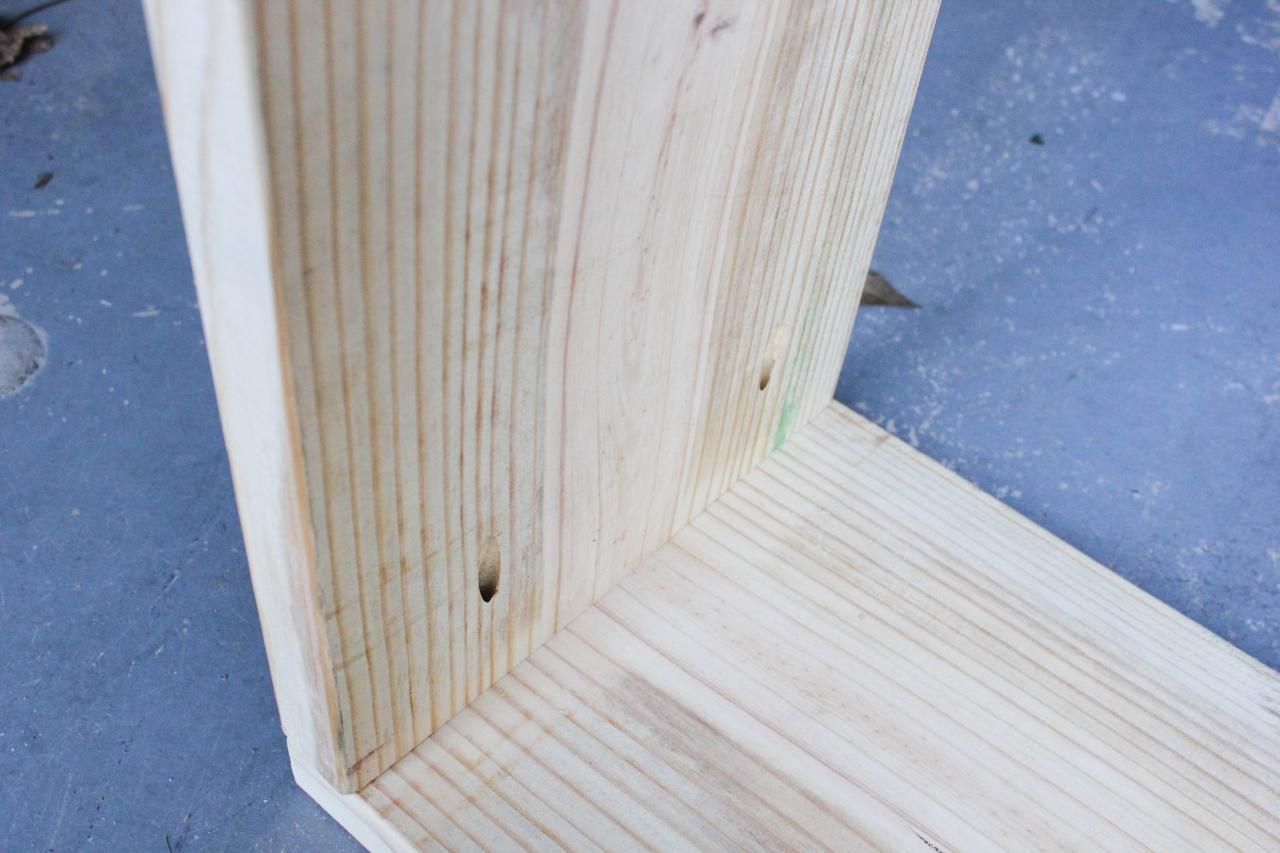
Entryway benches are a practical and stylish addition to any home. They serve a multitude of functions beyond simply providing a place to sit. From offering a convenient spot to remove shoes and coats to adding a touch of personality to the entrance, these benches are an essential element in creating a welcoming and organized entryway. They often serve as a functional centerpiece, seamlessly integrating storage and seating into the design.Well-designed entryway benches can transform a simple hallway into a functional and aesthetically pleasing space.
They provide a focal point and a place to transition from the outdoors to the indoors. This careful consideration of design impacts the overall flow and feel of the home, contributing to a more harmonious and inviting environment.
Different Styles and Types of Entryway Benches
Entryway benches come in a variety of styles to suit different design aesthetics. These range from the classic to the contemporary, allowing homeowners to select a style that complements their home’s unique personality. Some popular styles include farmhouse, modern, rustic, and transitional. These styles vary in their design elements, such as the shape of the bench, the type of material used, and the overall aesthetic.
The choice of style often depends on the desired look and the overall interior design theme of the home.
Materials Used in Entryway Benches
The materials used in constructing entryway benches significantly influence the bench’s durability, aesthetic appeal, and cost. Common materials include wood (solid wood, plywood, or composite wood), metal (iron, steel, or aluminum), and fabric (such as upholstered benches). Wood offers a warm and natural look, while metal provides a sleek and contemporary feel. Fabric offers comfort and a variety of colors and patterns.
The choice of material often dictates the overall price range and longevity of the bench.
Dimensions and Cost Estimates for Entryway Benches
The dimensions of an entryway bench should be carefully considered to ensure it fits comfortably into the available space. The size will vary depending on the bench’s style and the desired seating capacity. Larger benches can accommodate more people and offer additional storage. Conversely, smaller benches can be more practical for smaller entryways. Bench dimensions often range from 3 feet to 6 feet in length, 18 inches to 24 inches in depth, and 18 inches to 20 inches in height.
These are general guidelines, and the specific dimensions will vary by style and model.
| Bench Style | Materials | Dimensions (approximate) | Cost Estimate (approximate) |
|---|---|---|---|
| Farmhouse | Solid Pine Wood, Natural Finish | 48″ L x 18″ W x 18″ H | $300-$500 |
| Modern | Metal Frame with Upholstered Seat | 60″ L x 20″ W x 18″ H | $600-$1000 |
| Rustic | Reclaimed Wood, Distressed Finish | 54″ L x 18″ W x 19″ H | $400-$700 |
| Transitional | Solid Oak Wood, Stain Finish | 42″ L x 16″ W x 17″ H | $350-$650 |
Note: Cost estimates are approximate and can vary based on specific features, customization options, and retailer.
Materials for Construction
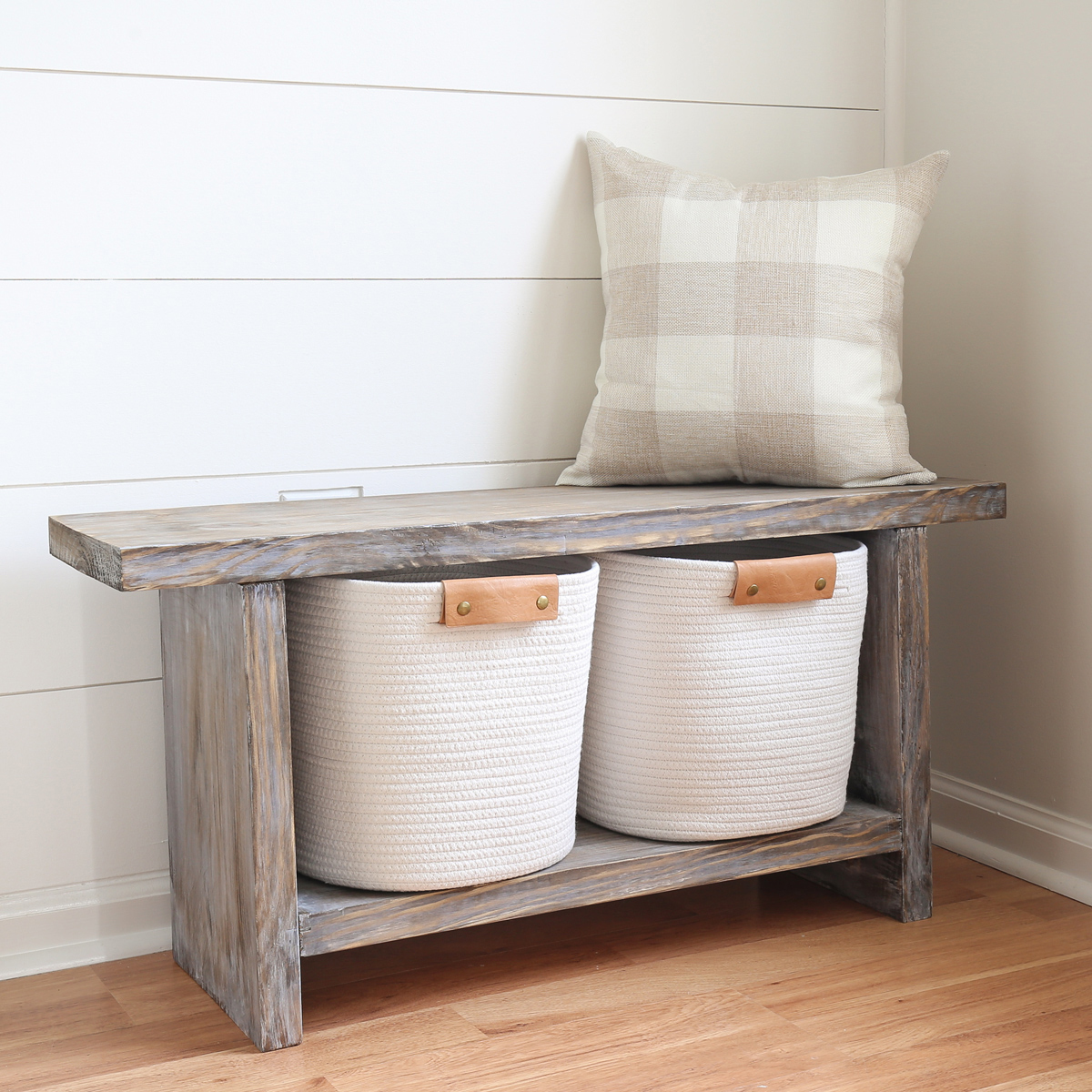
Selecting the right materials is crucial for building a durable and aesthetically pleasing entryway bench. Careful consideration of factors like cost, maintenance requirements, and desired appearance will lead to a satisfying project outcome. Different materials offer distinct advantages and disadvantages, allowing homeowners to tailor the bench to their specific needs and preferences.Choosing the right material will significantly impact the longevity and overall appeal of the entryway bench.
This section explores the common materials used for construction, highlighting their respective strengths and weaknesses.
Common Materials
Various materials are suitable for building entryway benches, each with unique characteristics. Wood, metal, and concrete are popular choices, each presenting distinct advantages and disadvantages.
- Wood: Wood is a classic choice for its warmth and natural beauty. Different types of wood offer varying degrees of durability and aesthetic appeal. Hardwoods like oak or maple are generally more resistant to wear and tear compared to softwoods like pine. The natural grain pattern adds visual interest and can be further enhanced with finishes to protect the wood from moisture and damage.
- Metal: Metal, particularly wrought iron or steel, provides a strong and durable bench. Metal benches are often preferred for their ability to withstand harsh weather conditions. They can be crafted in a wide range of styles, from contemporary to traditional. However, metal benches can sometimes require more maintenance to prevent rust or corrosion, especially in areas with high humidity.
- Concrete: Concrete benches offer exceptional durability and can be molded into various shapes and designs. They are highly resistant to weathering and pests, making them a long-lasting option. However, concrete can be heavy and may require a significant amount of time to cure properly. The aesthetic appeal of concrete benches can be enhanced through staining or painting, although these finishes may require periodic upkeep.
Material Comparison
A comparison table can help visualize the different characteristics of each material.
| Material | Cost | Maintenance | Longevity |
|---|---|---|---|
| Wood | Moderate | Regular finishing and sealing; potential for damage from moisture and pests | Good to Excellent (depending on type and treatment) |
| Metal | Variable (depending on type and finish) | Regular cleaning and protection from rust or corrosion; potential for scratches | Excellent |
| Concrete | Moderate to High | Minimal; staining or painting may be needed; can be susceptible to cracking over time | Excellent |
A well-maintained wooden bench, for example, can last for decades, providing a warm and welcoming entryway for years to come.
Design and Planning
A well-designed entryway bench enhances both the aesthetic appeal and functionality of your home’s entryway. Careful planning ensures the bench seamlessly integrates with the existing space and meets your specific needs. This involves considering the available space, desired dimensions, and aesthetic preferences.Effective planning minimizes potential issues during construction and ensures the bench serves its intended purpose as a welcoming and practical addition to your home.
This section will guide you through the essential steps for creating a functional and attractive entryway bench.
Space Measurement
Accurate measurements are crucial for a successful bench project. Incorrect measurements can lead to a bench that is too large or too small for the space, impacting its overall aesthetic appeal and functionality. Carefully measure the available width, depth, and height of the area where the bench will be placed. Consider any obstructions like doorways, pipes, or existing furniture that may limit the bench’s placement.
Use a measuring tape to ensure precision.
Dimension and Proportion Guidelines
Appropriate dimensions and proportions are vital for creating a bench that complements the overall design of your entryway. The bench’s width should be proportionate to the width of the entryway, avoiding a cramped or overly spacious appearance. The bench’s depth should be sufficient for comfortable seating, while the height should be ergonomic for ease of use. Consider the scale of the room and the existing furniture to determine suitable proportions.
Factors for Successful Design
Several factors influence the success of an entryway bench design. Prioritize the bench’s function and aesthetic appeal. Consider the existing décor of the entryway and choose materials and colors that complement the room’s style. Ensure the bench’s design integrates harmoniously with the entryway’s architectural features. Also, consider the intended use of the bench.
Is it primarily for seating or for storage? If storage is a priority, incorporate drawers or shelves into the design.
- Space Constraints: Account for existing furniture, doorways, and other architectural features when planning the bench’s dimensions.
- Aesthetics: Select materials and colors that align with the entryway’s overall design. Consider the style of the house and the surrounding furniture.
- Functionality: Determine the bench’s primary function (seating, storage, or both). This will influence the design and dimensions.
- Budget: Establish a budget for materials, labor, and any additional features, like storage.
- Durability: Choose materials that can withstand regular use and are resistant to wear and tear.
Bench Sizes and Recommended Room Dimensions
The appropriate size of an entryway bench depends on the available space. The following table provides guidelines for various bench sizes and their recommended room dimensions:
| Bench Size (Width x Depth) | Recommended Room Dimensions (Width x Depth) | Notes |
|---|---|---|
| 30″ x 18″ | 40″ x 50″ | Suitable for smaller entryways or narrow hallways. |
| 36″ x 24″ | 50″ x 60″ | Provides ample seating for two people and is appropriate for mid-sized entryways. |
| 42″ x 24″ | 60″ x 72″ | Suitable for larger entryways or areas that require more seating space. |
Construction Methods
Building a simple entryway bench involves several construction methods, each with its own advantages and considerations. Choosing the right method depends on the desired aesthetic, available materials, and your skill level. Understanding the steps involved in each approach ensures a successful and satisfying project.Various approaches to bench construction exist, from straightforward woodworking projects to more intricate metal fabrication.
This section delves into the details of each, outlining the necessary steps, tools, and materials required for a successful build.
Basic Woodworking
This method is suitable for beginners and allows for customization. Wood is a readily available and versatile material. The steps involved in building a bench using this method typically include accurate measurements, precise cuts, and careful assembly.
- Material Preparation: Acquire the necessary lumber, including boards for the seat, back, and supports. Ensure that the wood is free of significant knots and defects. Determine the dimensions and quantities required for the bench’s structure, and measure twice to ensure accurate cuts.
- Cutting: Employ a circular saw, jigsaw, or handsaw to cut the wood to the specified dimensions. Use a measuring tape and pencil to mark the cutting lines clearly. Precise cuts are essential for a stable and aesthetically pleasing bench.
- Assembly: Use wood glue and screws to join the various components. Ensure that all joints are securely fastened and aligned. Consider using clamps to hold the pieces together while the glue sets. Use wood filler to cover any gaps or imperfections.
- Finishing: Apply a suitable finish, such as stain or paint, to protect the wood and enhance its appearance. Sand the wood to smooth any rough edges or imperfections before applying the finish. Apply multiple thin coats of finish to ensure even coverage.
Simpler Metal Fabrication
Metal fabrication, though potentially more challenging than woodworking, can result in a sturdy and durable bench. Appropriate safety precautions should be followed. Consider using readily available metal components.
- Material Selection: Choose metal sheets or tubes of appropriate thickness and dimensions. Select appropriate fasteners, such as bolts and nuts. Consider factors like strength, weather resistance, and aesthetic appeal when choosing materials.
- Cutting and Shaping: Use metal shears, saws, or a plasma cutter to cut and shape the metal components to the desired form. Ensure that all cuts are precise and that the edges are smooth to avoid sharp points.
- Assembly: Use appropriate fasteners to connect the metal pieces. Welding may be used in certain situations to provide a strong, permanent connection. Align the pieces carefully to maintain structural integrity.
- Finishing: Apply a suitable protective coating to prevent rust and enhance the aesthetic appeal of the metal bench. Powder coating is a popular choice for durability and aesthetic versatility. Proper surface preparation is critical for effective coating adhesion.
Table: Construction Steps (Basic Woodworking)
| Step | Description | Image |
|---|---|---|
| 1 | Measure and mark the lumber for the seat and supports. | A piece of lumber with clearly marked lines for cutting. |
| 2 | Cut the lumber using a circular saw. | A circular saw cutting a piece of lumber. |
| 3 | Assemble the supports and seat using wood glue and screws. | Assembled supports and seat joined together. |
| 4 | Apply wood filler to any gaps or imperfections. | Wood filler applied to a gap. |
| 5 | Sand the bench to smooth any rough edges. | Sanding the bench surface. |
| 6 | Apply a finish, such as stain or paint, to the bench. | A finished bench with stain or paint applied. |
Finishing Touches and Accessories
Transforming a basic entryway bench into a welcoming and functional piece often hinges on the finishing touches and carefully chosen accessories. These details can elevate the bench from a simple structure to a stylish and practical addition to your home. Adding personal touches not only enhances the aesthetics but also contributes to the overall functionality and usability of the bench.Careful consideration of finishing options, including staining, painting, or varnishing, and the selection of appropriate accessories like cushions and storage solutions, can significantly impact the bench’s final look and feel.
This section details these important aspects, enabling you to create a truly personalized entryway bench that reflects your style and needs.
Finishing Options for the Bench
The choice of finish significantly affects the bench’s appearance and durability. Different finishes offer varied aesthetic appeals and levels of protection. Choosing the right finish ensures the bench remains beautiful and functional for years to come.
Staining the Bench
Staining is a popular choice for wood entryway benches, offering a natural look that complements various interior styles. A high-quality wood stain penetrates the wood’s surface, enhancing its natural beauty while adding protection against moisture and minor scratches. Applying a stain involves meticulous preparation, including cleaning and sanding the wood surface to ensure proper adhesion. Always follow the manufacturer’s instructions for the specific stain you select.
Painting the Bench
Painting provides a versatile way to customize the bench’s appearance. A variety of colors and finishes can be used, from matte to glossy, to create a look tailored to your personal style. Proper surface preparation is crucial before painting, including sanding, priming, and ensuring the wood is completely dry. Choosing the right paint type, appropriate for exterior or interior use, is also important.
Varnishing the Bench
Varnishing creates a protective layer over the wood surface, enhancing its durability and resistance to scratches and moisture. This option offers a glossy or semi-gloss finish, depending on the type of varnish used. Like staining and painting, proper surface preparation, including sanding and cleaning, is essential for a smooth and even finish. Allowing the varnish to dry completely between coats is vital for optimal results.
Adding Accessories
Adding accessories can significantly enhance the bench’s functionality and appeal. Consider adding elements that enhance both the aesthetic and practical aspects of the bench.
Cushions
Adding cushions to an entryway bench provides comfort and a touch of style. The choice of fabric, color, and pattern should complement the overall design of the space. The type of cushion filling (foam, down) will influence the level of comfort and durability.
Storage
Integrating storage into the bench can be a practical solution for small entryways. Built-in drawers or shelves can provide a convenient place to store keys, mail, or other essentials. Careful design and selection of storage solutions should ensure both aesthetics and functionality are maintained.
Decorative Elements
Decorative elements, such as baskets, decorative trays, or sculptures, can enhance the bench’s aesthetic appeal and personalize its look. Selecting elements that complement the existing decor and the bench’s overall design is important. Adding these personal touches will make the bench feel more welcoming and inviting.
Table of Finishes and Application Methods
| Finish | Application Method | Notes |
|---|---|---|
| Stain | Apply with a brush or cloth, following manufacturer’s instructions. | Requires thorough surface preparation. |
| Paint | Apply with a brush, roller, or spray gun, following manufacturer’s instructions. | Priming is often necessary for optimal adhesion. |
| Varnish | Apply with a brush or spray gun, following manufacturer’s instructions, allowing each coat to dry completely. | Creates a protective layer and adds shine. |
Safety Considerations
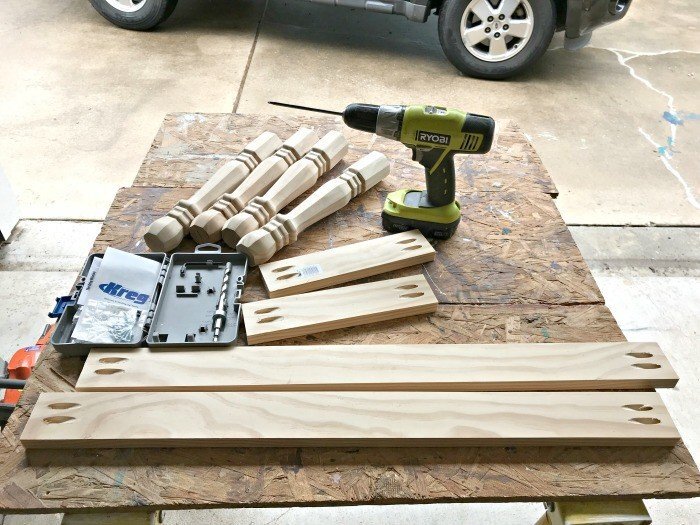
Ensuring a safe construction process is paramount when building an entryway bench. Careful planning and adherence to safety guidelines can prevent accidents and injuries, protecting both the builder and those who will use the bench. This section Artikels critical safety precautions to consider throughout the project, from material handling to final assembly.Proper safety procedures not only prevent accidents but also ensure a higher quality final product.
A stable and secure bench is not only functional but also reduces the risk of injuries from instability. By understanding potential hazards and implementing appropriate safety measures, you can build a beautiful and safe entryway bench.
Potential Hazards During Construction
Construction activities, even for a seemingly simple project, involve potential hazards. Improper tool handling, inadequate material storage, and improper lifting techniques can lead to injuries. Understanding these potential hazards is the first step in mitigating them. For instance, power tools can cause serious injuries if not used correctly, and sharp edges on materials can cause cuts. Careful handling and proper tool use are crucial to avoid these issues.
Safe Handling of Tools and Materials
Appropriate handling of tools and materials is essential for a safe construction process. Tools should be stored securely and used according to manufacturer’s instructions. Heavy materials should be lifted with proper techniques to avoid strain or injury. For instance, using a dolly or hand truck to move large materials will prevent back strain and injuries. Using appropriate personal protective equipment (PPE), such as safety glasses, gloves, and ear protection, is also critical to avoid injuries.
Ensuring Bench Stability and Security
A stable and secure bench is essential to prevent accidents. This involves selecting appropriate materials for the base, ensuring proper support for the seat, and adhering to construction guidelines. Adequate support under the bench’s seat and base is crucial for long-term stability. For example, using a sturdy base and reinforcing connections will prevent the bench from tipping over or shifting.
Inspecting the structure for any signs of weakness or instability after each stage of construction is crucial to ensure structural integrity.
Hazards of Using Certain Materials and Finishes
Certain materials and finishes can pose hazards during construction and use. For example, some wood types are prone to splintering, while certain adhesives or paints may release harmful fumes. Researching the properties of materials and finishes is critical to understanding potential hazards. It is also vital to follow the manufacturer’s instructions regarding proper ventilation and safety precautions.
Always wear appropriate PPE, including respirators if necessary, when handling potentially hazardous materials.
Safety Precautions for Each Stage of Construction
The following table Artikels safety precautions for each stage of bench construction, emphasizing the importance of proper planning and execution.
| Construction Stage | Safety Precautions |
|---|---|
| Material Procurement | Verify the stability and structural integrity of the materials. Ensure proper storage and handling procedures are in place. Inspect materials for defects or damage before use. |
| Cutting and Preparation | Use sharp tools correctly and carefully. Wear safety glasses and gloves. Keep work area clear of obstructions and clutter. Use a stable work surface. |
| Assembly | Use appropriate fasteners and connections. Follow manufacturer instructions for all hardware. Ensure the bench’s stability and security with appropriate supports. |
| Finishing | Use protective equipment such as respirators when working with chemicals or fumes. Follow manufacturer instructions for paints and finishes. Maintain proper ventilation to avoid inhaling harmful fumes. |
Maintenance and Care
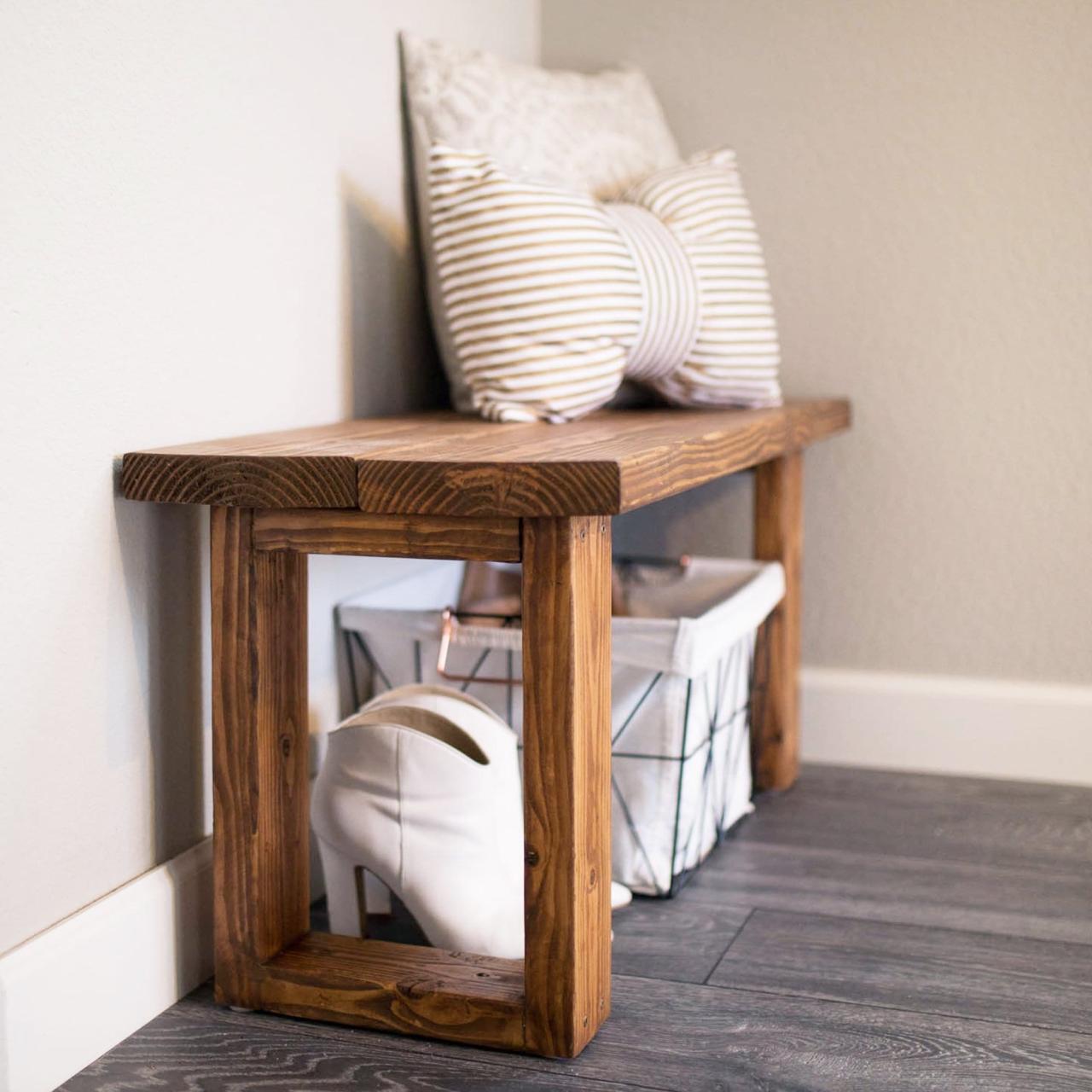
Proper maintenance is crucial for preserving the beauty and longevity of your entryway bench. Regular care prevents damage, extends its lifespan, and maintains its aesthetic appeal. This section details the specific steps to maintain different materials, clean the bench, and address potential issues effectively.
Cleaning and Protecting the Bench
Maintaining a clean and protected entryway bench is key to its longevity. Regular cleaning and appropriate protective measures prevent premature deterioration and maintain its structural integrity. Addressing potential issues promptly, such as scratches and dents, is also important for preserving its aesthetic appeal and preventing further damage.
- Regular Cleaning: The frequency of cleaning depends on the material and usage. Wipe down the bench regularly with a soft cloth dampened with mild soap and water. For tougher stains, use a non-abrasive cleaner specifically designed for the material. Avoid harsh chemicals or abrasive cleaners that could damage the surface.
- Protective Measures: Applying a sealant or protective coating to the bench can significantly extend its lifespan and protect it from moisture, dirt, and UV rays. Follow the manufacturer’s instructions for application and maintenance. Consider using a weather-resistant sealant for outdoor benches to shield it from harsh weather conditions.
Addressing Potential Issues
Prompt attention to potential issues like scratches and dents can prevent further damage. The approach to addressing these issues depends on the severity and the material of the bench.
- Scratches: Minor scratches can often be buffed out with a fine-grit abrasive pad and a suitable polishing compound. For deeper scratches, consider using touch-up paint or a similar repair technique. The best approach will depend on the material of the bench. Always test any repair method in an inconspicuous area first.
- Dents: Small dents can sometimes be gently pushed out with a soft, padded tool. For larger dents, professional repair might be necessary, especially for materials like wood or metal. Contact a professional if the damage is extensive or if you are unsure about the repair process.
Material-Specific Maintenance
The appropriate maintenance techniques vary based on the material used for the bench. A table outlining the specific maintenance steps for each material is provided below.
| Material | Cleaning | Protection | Addressing Scratches/Dents |
|---|---|---|---|
| Wood | Wipe with a damp cloth, use wood cleaner if needed | Apply wood sealant or varnish | Sand and fill scratches, use wood filler, re-stain/paint |
| Metal (e.g., wrought iron, steel) | Wipe with a damp cloth, use metal cleaner if necessary | Apply a rust-preventative coating or paint | Use touch-up paint, repair with metal filler if needed |
| Stone (e.g., granite, marble) | Wipe with a damp cloth, use stone cleaner | Apply a sealant to protect from stains | Professional repair may be required |
| Composite Materials | Wipe with a damp cloth, use mild detergent if necessary | Apply a protective sealant | Repair with composite filler or touch-up paint |
Budget Considerations
Budgeting for a simple entryway bench involves careful planning and strategic choices. Understanding material costs and potential labor expenses is crucial to avoid unforeseen financial surprises. By considering various options and exploring cost-effective solutions, you can create a beautiful and functional bench without exceeding your budget.
Estimating Material Costs
Accurately estimating material costs is vital for a successful project. Gather quotes from multiple suppliers for lumber, hardware, and any other required materials. Factor in the quantity needed for your chosen design and consider potential waste during the cutting and assembly process. Use online calculators or consult with a local building supply store for more precise estimates.
Remember to account for potential price fluctuations during the project timeframe.
Reducing Costs Without Compromising Quality
Several strategies can help reduce costs without sacrificing quality. Consider using readily available, affordable materials like reclaimed wood or repurposed materials, such as old doors or window frames. Selecting simpler designs with fewer intricate details can significantly lower the cost. Alternatively, opting for pre-cut lumber pieces can save time and reduce waste, lowering overall costs. Also, look for sales or discounts on materials and tools.
Budget-Friendly Materials and Methods
Implementing budget-friendly materials and methods is achievable. For instance, using plywood or particleboard as a base material can significantly reduce costs compared to solid hardwood. Repurposed wood from pallets or old furniture is an economical option and often has a unique character. Simple, straightforward joinery techniques, such as using pocket holes or biscuits, can be more cost-effective than complex methods while maintaining structural integrity.
Consider painting or staining instead of more expensive finishes to save money.
Comparative Cost Analysis
The cost of materials and construction methods can vary greatly. This table provides a simplified comparison of common options, highlighting potential cost differences. Note that actual costs may vary based on location, supplier, and specific project details.
| Material | Construction Method | Estimated Cost (USD) | Quality |
|---|---|---|---|
| Reclaimed Wood | Simple joinery | $100 – $250 | Unique, character |
| Plywood | Pocket holes | $150 – $300 | Strong, affordable |
| Solid Hardwood | Mortise and Tenon | $300 – $500 | High durability, aesthetic appeal |
| Particleboard | Glue and screws | $75 – $150 | Acceptable strength, may need extra support |
Epilogue
In conclusion, building a simple entryway bench is a rewarding DIY project that can significantly enhance your home’s aesthetic and functionality. By carefully considering design, materials, and construction methods, you can create a piece that perfectly complements your style and space. Remember to prioritize safety, follow the provided guidelines, and enjoy the process of transforming your entryway into a welcoming haven.