Transforming discarded t-shirts into beautiful and unique rugs is a rewarding and eco-friendly craft. This guide walks you through every step, from sourcing materials to weaving the final product. Learn how to create a stylish and personalized piece of home décor, perfect for adding a touch of personality to any space. The process is surprisingly accessible, even for beginners.
Discover the versatility of repurposed materials and the joy of crafting a sustainable and visually stunning addition to your home. This comprehensive guide covers everything from gathering materials to weaving techniques, ensuring a clear and detailed understanding of the entire process. Explore the options available to create a rug that matches your personal style and interior design.
Introduction to T-Shirt Yarn Rugs
T-shirt yarn rugs offer a unique and environmentally friendly way to repurpose old t-shirts into beautiful and functional home décor. This craft allows for creative expression and the transformation of discarded clothing into sustainable art. The process is relatively simple, making it accessible to both experienced crafters and beginners.The process of creating a t-shirt yarn rug involves carefully shredding old t-shirts into yarn-like strips, then meticulously knotting or crocheting these strips together to form a rug.
This process can be adapted to create rugs with various textures and appearances, reflecting the diverse range of available t-shirts.
Materials Used
The most common material for t-shirt yarn rugs is, of course, old t-shirts. These t-shirts can be sourced from various places, including personal wardrobes, thrift stores, and donation centers. The versatility of this material is evident in the wide range of colors, patterns, and fabrics available. This inherent diversity allows for unique and personalized designs. Moreover, the cost-effectiveness of repurposing t-shirts is significant, minimizing material costs and promoting sustainability.
Types of T-Shirt Yarn Rugs
The appearance and texture of t-shirt yarn rugs can vary considerably depending on the specific techniques employed and the characteristics of the recycled t-shirts.
| Rug Type | Appearance | Texture | Suitable for |
|---|---|---|---|
| Solid Color | Uniform color | Smooth, potentially with a subtle texture depending on the t-shirt fibers | Modern or minimalist decor, spaces with a clean aesthetic |
| Multi-colored | Vibrant patterns and color combinations | Textured, often with a more pronounced and varied surface due to the blend of colors and patterns | Bohemian or eclectic styles, spaces with a more dynamic and playful atmosphere |
The choice of rug type depends heavily on the desired aesthetic and the overall design vision for the room. Solid color rugs often create a sense of calmness and order, while multi-colored rugs can add a pop of personality and visual interest.
Gathering Materials
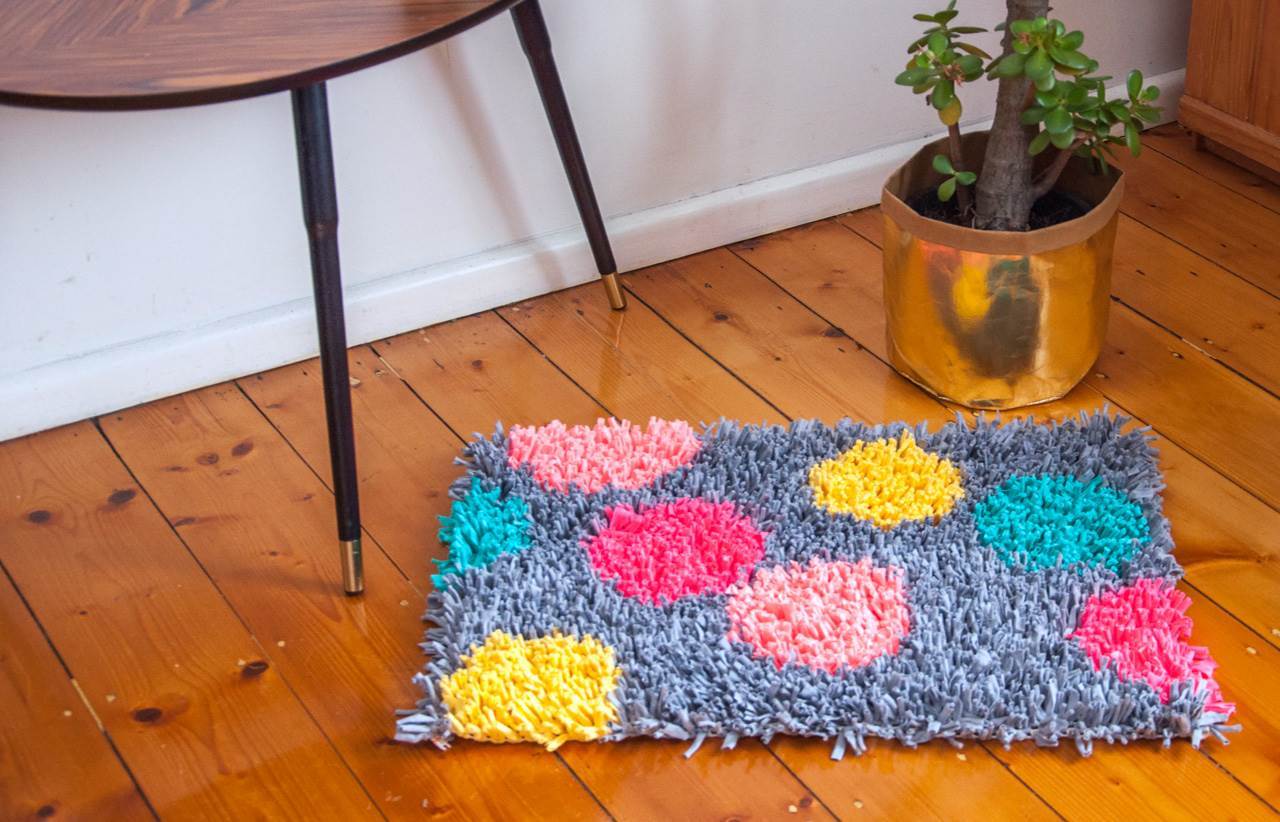
Creating a t-shirt yarn rug begins with the collection of materials. This crucial step sets the stage for the entire project, influencing the final rug’s texture, color palette, and overall aesthetic. Careful consideration of source and preparation ensures a smooth transition into the crafting process.
Sources for T-Shirts
Acquiring t-shirts for yarn creation can be accomplished through various means. Donating organizations, thrift stores, and online marketplaces like eBay or Facebook Marketplace are valuable resources. Individuals can also leverage their own closets or request donations from friends and family. A combination of sources can significantly increase the availability of materials and potentially reduce costs.
Tools for Shredding or Cutting
Several tools are effective for transforming t-shirts into usable yarn. Scissors, specifically sharp fabric shears, are suitable for precise cutting. For a more substantial project, a rotary cutter with a sturdy cutting mat can significantly reduce the time required for larger quantities. A sturdy pair of fabric shears or a fabric-specific guillotine are recommended for precise cutting.
A manual shredder, often resembling a small food processor, can also create yarn from t-shirts.
Alternative Materials
Beyond t-shirts, various alternative materials can be incorporated into the yarn creation process. Old sweaters, towels, and even bedsheets can be repurposed. These materials often have distinct textures and colors that can enhance the overall design of the rug. Considering the durability and texture of these alternative materials is essential when selecting them for a project. The use of these alternative materials can offer creative design opportunities and provide an additional layer of sustainability.
Shredding Method Comparison
The method chosen for shredding significantly impacts the final product. This table Artikels the advantages and disadvantages of manual and machine shredding methods.
| Method | Pros | Cons |
|---|---|---|
| Manual shredding | Precise control over yarn thickness and length; allows for careful selection of fibers; minimal risk of damaging delicate fabrics. | Time-consuming for large projects; requires significant physical effort. |
| Machine shredding | Faster for large quantities; less physical exertion. | May result in uneven yarn thickness and length; potential for damage to the fabric depending on the machine used. More prone to damaging or warping delicate materials. |
Creating the T-Shirt Yarn
Transforming old t-shirts into reusable yarn is a fantastic way to reduce textile waste and create unique materials for crafting. This section details the methods for transforming t-shirts into yarn, emphasizing the importance of preparation and the process of cleaning and sorting before shredding. Proper preparation ensures a consistent and high-quality yarn suitable for various rug-making techniques.The quality of the final yarn is directly influenced by the initial preparation of the t-shirts.
Careful cleaning and sorting procedures minimize unwanted fibers and ensure a consistent texture, contributing to a more aesthetically pleasing and durable rug. Proper shredding techniques also play a crucial role in obtaining the desired yarn consistency.
Preparing the T-shirts
Thorough preparation of the t-shirts is essential for achieving a high-quality yarn. This involves removing any unwanted materials and ensuring a consistent material for shredding. Cleaning and sorting ensure that only the desired fabric is used in the process, minimizing inconsistencies in the final yarn.
- Cleaning: Carefully wash the t-shirts in a washing machine using a mild detergent. Avoid using harsh chemicals or bleach, as these can damage the fibers and alter the color. Thoroughly rinse the t-shirts to remove all traces of detergent. Drying the t-shirts completely before shredding is crucial to prevent the yarn from becoming clumped or tangled during the shredding process.
Air drying is recommended for best results.
- Sorting: Once the t-shirts are clean and dry, sort them by color and fabric type. Separating t-shirts based on their composition allows for more control over the final yarn’s characteristics. For example, a blend of cotton and polyester may yield a different texture compared to a 100% cotton t-shirt. This sorting step is crucial for creating a yarn with consistent characteristics.
Shredding the T-shirts
Shredding the t-shirts into yarn can be accomplished using various methods, ranging from hand-shredding to using specialized shredding machines. The best approach depends on the desired outcome and the volume of t-shirts being processed.
- Hand-shredding: For small projects or when a shredder is unavailable, hand-shredding can be a viable option. Using sharp scissors or a pair of fabric shears, carefully cut the t-shirts into small strips. This method, however, can be time-consuming and may not yield a consistent yarn thickness.
- Using a Shredder: For larger projects, a shredder specifically designed for fabric or paper is the most efficient method. Ensure that the shredder is suitable for the material being processed. Using a shredder is recommended for consistency and speed. A guide or instruction manual should be consulted before using any shredder to avoid damage to the machine and ensure safe operation.
Always check the shredder’s capacity to prevent overloading and potential malfunction. Adjust the shredding settings to control the size of the resulting yarn pieces.
Alternative Methods
Alternative methods for creating yarn from t-shirts include using a fabric cutter, a pair of scissors, or a guillotine cutter. The chosen method depends on the available tools and the desired result.
- Fabric Cutter: A fabric cutter, specifically designed for intricate cuts, can provide precise cuts. This is particularly useful for creating intricate patterns or designs. However, fabric cutters might not be suitable for large volumes.
- Scissors or Guillotine Cutter: Using sharp scissors or a guillotine cutter, carefully cut the t-shirts into small strips. These methods, though simple, might not be suitable for large volumes, and the consistency of the yarn may vary depending on the user’s skill.
Preparing the Base for the Rug
A crucial step in crafting a beautiful t-shirt yarn rug is selecting and preparing a suitable base. This base provides stability and a surface for your yarn creation, ensuring a sturdy and long-lasting final product. Proper preparation of the base is essential to prevent the rug from warping or shifting during the creation process.Selecting the right base material directly impacts the rug’s overall quality and longevity.
Different materials offer varying levels of durability and cost, which should be considered when making your choice. This section will detail the most common base materials, their advantages and disadvantages, and the best methods for preparation.
Base Material Options
Several materials can serve as a base for your t-shirt yarn rug. The optimal choice depends on factors like desired durability, budget, and the rug’s intended use.
- Cardboard: Cardboard offers a budget-friendly option for creating a basic base. Its affordability makes it an excellent choice for beginners or small-scale projects. However, its low durability necessitates careful handling during the rug-making process. It is susceptible to warping or tearing if not properly supported or reinforced. It is best for smaller, less-intensive rugs.
- Heavy-duty Fabric: Heavy-duty fabrics like canvas or denim provide a more durable base compared to cardboard. These fabrics are more resistant to warping and tearing, making them suitable for larger or more complex designs. They also offer a more aesthetically pleasing surface, although they are more expensive than cardboard.
- Plywood: Plywood is a strong and versatile base material. Its inherent stability makes it suitable for intricate designs or large-scale projects. Plywood is an excellent option if the rug is expected to endure heavy use. Its cost is higher than cardboard, but it provides superior durability.
- Foam Board: Foam board, often used in crafting projects, provides a balanced option between cost and durability. It offers more support than cardboard but is less expensive than heavy-duty fabrics. It’s an excellent choice for projects that require a sturdy base but don’t demand extreme durability.
Base Preparation Techniques
The specific preparation steps depend on the chosen base material.
- Cardboard: To prepare cardboard, ensure it is clean and free of any debris. For added stability, you can reinforce the cardboard with additional layers or tape. It’s important to consider the size and shape of the rug to determine the necessary amount of cardboard needed.
- Heavy-duty Fabric: For heavy-duty fabric, ensure the fabric is clean and ironed. Cut the fabric to the desired size, and consider using a backing layer to increase durability and prevent fraying. A layer of interfacing can strengthen the fabric further.
- Plywood: Plywood, due to its stability, often requires minimal preparation. Cut the plywood to the desired size and shape. Ensure the surface is smooth and free of imperfections. Sanding the surface is recommended to create a smooth base.
- Foam Board: Foam board can be prepared similarly to cardboard. Cut the foam board to the desired size. Consider using adhesive to ensure the yarn stays in place. Reinforcing it with tape can enhance stability.
Durability and Cost Comparison
The table below summarizes the durability and cost differences among the various base materials.
| Base Material | Durability | Cost |
|---|---|---|
| Cardboard | Low | Low |
| Heavy-duty fabric | High | Medium |
| Plywood | Very High | High |
| Foam Board | Medium | Medium-Low |
Careful consideration of the rug’s intended use, budget, and desired aesthetic will help you select the optimal base material.
Weaving the Rug
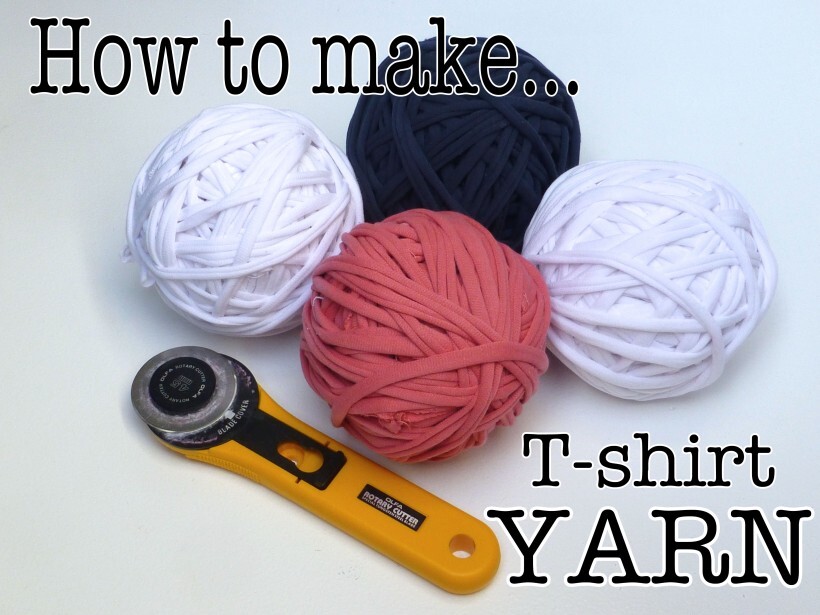
Transforming your meticulously crafted t-shirt yarn into a beautiful rug requires careful weaving techniques. The choice of method significantly impacts the rug’s aesthetic and longevity. Proper execution ensures a strong and visually appealing final product.
Simple Knotting
This foundational method is ideal for beginners and projects with a straightforward design. It’s a relatively quick technique, well-suited for creating a dense, textured rug. The simplicity of the knots allows for easy mastery, enabling the creation of basic patterns or solid-color rugs.
- Materials Needed: The prepared t-shirt yarn, the base (e.g., a piece of cardboard or a pre-made backing), and a sturdy needle or a pair of weaving tools.
- Steps: First, carefully lay out the t-shirt yarn on the base according to your desired pattern. Next, use a needle or weaving tool to securely knot the yarn to the base, ensuring each knot is tight and evenly spaced. Repeat this process across the entire base until the desired coverage is achieved.
Intricate Knotting
This method allows for more complex patterns and intricate designs. It demands precision and patience, yielding a rug with an elevated level of detail and visual appeal. While intricate knotting can be time-consuming, the results are highly rewarding.
- Materials Needed: The prepared t-shirt yarn, a pre-made base, a sturdy needle, and potentially additional weaving tools for more complex patterns.
- Steps: This technique necessitates a thorough understanding of the desired design. Start by carefully planning the arrangement of the t-shirt yarn on the base, ensuring a consistent and deliberate pattern. Use a needle or weaving tools to knot the yarn onto the base. Each knot must be precisely positioned and tightly secured to maintain the intricate pattern.
Repeated practice and careful attention to detail are key to achieving the desired result.
Other Weaving Techniques
- Tying: A method that involves tying the yarn in specific patterns, often using a pattern of loops and knots. It can create a textured or patterned effect but often takes longer than simpler knotting techniques. Tying is a versatile method that offers more design freedom.
- Looping: Involves creating loops of yarn on the base, with different tension and spacing to achieve diverse results. Looping can create unique textures and patterns, offering a dynamic visual outcome. This method usually involves using specialized tools for optimal results.
Table Comparing Weaving Techniques
| Weaving Technique | Time Required | Complexity |
|---|---|---|
| Simple knotting | Short | Low |
| Intricate knotting | Long | High |
| Tying | Medium to Long | Medium to High |
| Looping | Medium to Long | Medium to High |
Finishing the Rug
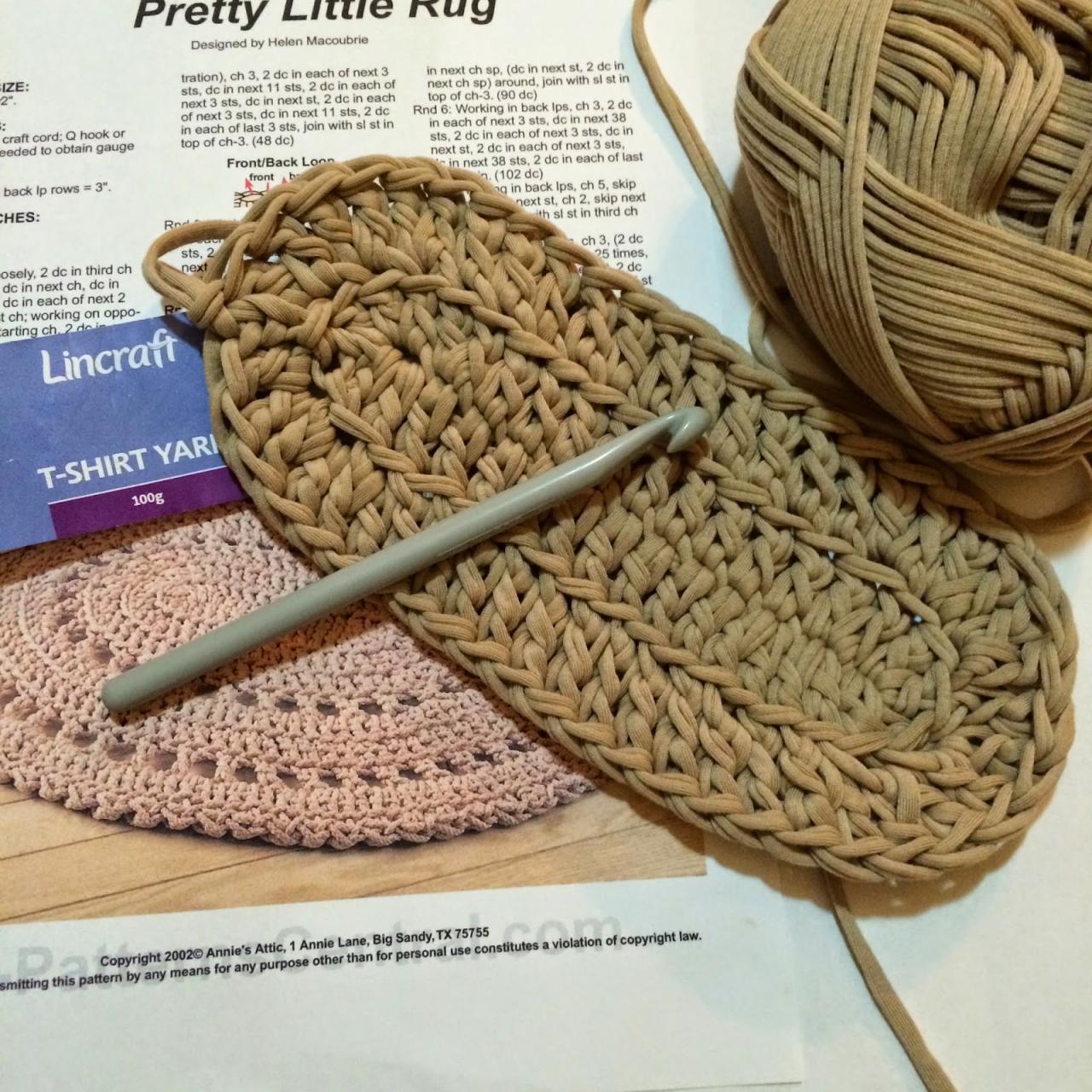
Completing your t-shirt yarn rug involves several crucial steps to ensure a polished and long-lasting final product. Careful attention to finishing details will enhance the rug’s aesthetic appeal and structural integrity. This section will guide you through various edge treatments, securing yarn ends, maintaining flatness, and adding embellishments.Proper finishing techniques transform a raw creation into a finished piece, suitable for everyday use or display.
Edge Finishing Techniques
Various techniques can be employed to finish the edges of your t-shirt yarn rug. These methods not only enhance the rug’s appearance but also contribute to its longevity.
- Binding: A straightforward method involves binding the raw edges with a contrasting yarn or thread. This creates a neat, finished look and prevents unraveling. This technique is particularly useful for rugs with uneven or loose edges.
- Framing: For a more structured and visually appealing finish, framing the edges with a contrasting yarn or fabric strip can be used. This technique provides a clean and defined border around the rug.
- Weaving: A weaving technique allows for an integrated edge treatment. By weaving a few rows of the yarn along the edge, the raw edge is effectively concealed within the rug’s structure.
Securing Yarn Ends
Properly securing the yarn ends is vital for preventing fraying and maintaining the rug’s overall integrity.
- Knotting: Knotting each yarn end individually is a common and reliable method. Securely tying each end to the rug’s underside will effectively prevent them from coming loose.
- Weaving in: Weaving in loose ends can create a seamless and clean look. This approach integrates the loose threads into the rug’s fabric, making the rug look neat.
- Using a yarn needle: A yarn needle is a convenient tool for weaving in loose ends, allowing for a neat and consistent finish. A yarn needle, threaded with a matching yarn, is used to draw the loose ends through the rug’s surface.
Ensuring Flatness
Maintaining the rug’s flatness is crucial for its appearance and practicality.
- Blocking: Blocking the rug after weaving helps to ensure a flat and even surface. Using a blocking board and dampening the rug will help set the shape of the rug.
- Careful Tension: Maintaining consistent tension during the weaving process is vital for achieving a flat and even rug. This will prevent areas from being too tight or loose.
- Proper Drying: Ensure that the rug is properly dried to prevent warping or stretching. Avoid direct sunlight or high heat during drying.
Adding Embellishments
Adding embellishments can personalize your t-shirt yarn rug and elevate its aesthetic appeal.
- Beads and Buttons: Adding beads and buttons to the rug adds a touch of decorative flair. They can be strategically placed along the edges or throughout the rug’s surface to create unique patterns and designs.
- Ribbons and Lace: Using ribbons or lace in the rug’s design will provide an extra touch of elegance. This will depend on the desired style and overall design of the rug.
- Yarn-Wrapped Elements: Wrapping yarn around specific sections or areas of the rug will create intricate textures and visual interest. This technique provides unique and decorative elements.
Visual Examples and Inspiration
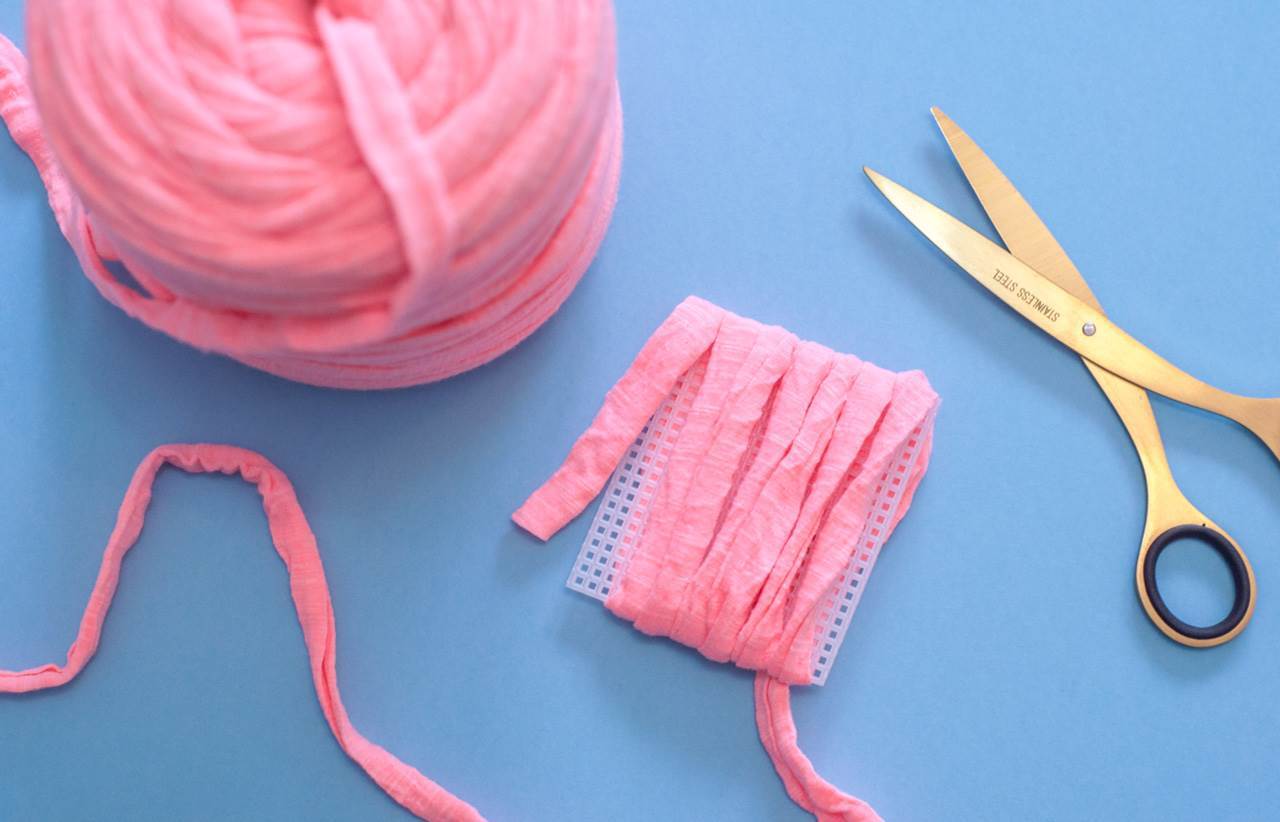
Exploring diverse designs and color palettes for t-shirt yarn rugs offers exciting possibilities for personalization and aesthetic expression. Understanding the different design principles and materials used in various examples will empower you to create unique and captivating rugs. These examples demonstrate how to incorporate creativity and craftsmanship to produce visually appealing and functional pieces.
Geometric Designs
Geometric patterns offer a structured and visually appealing approach to t-shirt yarn rug design. They leverage the inherent structure of the materials and techniques to create intricate and captivating patterns. These patterns can range from simple squares and triangles to more complex designs incorporating various shapes and colors. The clean lines and defined shapes make them perfect for modern or contemporary settings.
- A rug featuring a repeating pattern of squares in varying shades of blue and gray. This design exemplifies the use of color blocking and a repetitive pattern to create a visually interesting and balanced rug. The technique involves tightly weaving the t-shirt yarn to create sharp lines and defined shapes. The materials used are primarily blue and gray t-shirt yarn, and a neutral base to accentuate the geometric shapes.
- A rug with a chevron pattern in deep reds and blacks. This design emphasizes the use of contrasting colors to create a striking visual effect. The technique involves weaving the yarn at an angle to create the chevron pattern, and careful planning is essential to achieve the desired aesthetic. The materials consist of red and black t-shirt yarn and a natural fiber base for a traditional look.
The deep color palette creates a bold statement.
Abstract Designs
Abstract designs offer a unique opportunity to explore creativity and expression. They emphasize the use of form, color, and texture to create a visually stimulating and evocative rug. The use of color and texture in abstract designs can be diverse and unique, and the lack of strict patterns can lead to more personalized designs.
- A rug featuring a blend of various shades of green and brown t-shirt yarn. This design exemplifies the beauty of using a wide array of colors and textures to create an organic and flowing look. The materials are a mix of various shades of green and brown t-shirt yarn, woven over a natural fiber base. The technique used allows the colors to blend seamlessly and create a natural feel.
The organic shape of the rug makes it ideal for a bohemian or eclectic style.
- A rug with a swirling pattern of teal, lavender, and gold t-shirt yarn. This design highlights the expressive use of color to create a dynamic and eye-catching rug. The use of different yarn colors and weaving techniques allows for unique shapes and textures. The materials consist of teal, lavender, and gold t-shirt yarn, and a neutral base color to highlight the vibrant colors.
The rug is a great example of how to blend colors to achieve a dynamic abstract effect.
Floral and Botanical Designs
Floral and botanical designs provide a way to incorporate nature into your home décor. These designs can be highly detailed, showcasing the beauty of flowers and leaves, or more abstract, representing the essence of nature. The designs can be woven in intricate patterns or simply incorporated with the use of various colors and textures.
- A rug featuring a detailed floral pattern using a variety of t-shirt yarn colors. This design highlights the use of intricate weaving to create a precise and detailed floral pattern. The materials used include various colors of t-shirt yarn, along with a neutral fiber base. The technique is very detailed and takes a lot of time and patience.
The rug creates a soft and welcoming atmosphere in any room.
End of Discussion
In conclusion, crafting a t-shirt yarn rug is a creative and fulfilling project. By following the detailed steps Artikeld in this guide, you can transform discarded t-shirts into a beautiful and unique piece of home décor. This comprehensive guide covers every stage of the process, empowering you to create a personalized and sustainable rug that perfectly complements your home’s style.
From material selection to finishing touches, we’ve provided a detailed roadmap to guide you through this inspiring project.