Transforming ordinary canvas drop cloths into beautiful, handcrafted rugs is a rewarding and sustainable upcycling project. This comprehensive guide explores the entire process, from selecting the perfect drop cloth to achieving the desired aesthetic through various weaving and stitching techniques. Learn how to breathe new life into discarded materials and create unique pieces for your home.
Discover the diverse possibilities for repurposing canvas drop cloths into rugs. From simple transformations to intricate designs, this guide provides a step-by-step approach, enabling you to create a personalized rug that reflects your style and complements your interior decor. We will cover crucial aspects such as selecting the right cloth, preparing it for rug-making, and finishing the final product with care.
Introduction to Upcycling Canvas Drop Cloths
Canvas drop cloths, ubiquitous in construction and painting projects, often find themselves relegated to the discard pile after a single use. However, these durable and readily available materials offer a fantastic opportunity for creative upcycling. Their inherent strength and versatility make them ideal candidates for transforming into functional and aesthetically pleasing home décor, such as rugs.Upcycling canvas drop cloths into rugs presents a compelling alternative to purchasing new materials, fostering environmental consciousness and adding a unique, personalized touch to any space.
The process is surprisingly straightforward, and the end results can range from simple and rustic to elaborate and sophisticated, depending on the chosen design and embellishments. This guide will explore the process of transforming these often-overlooked materials into stunning, one-of-a-kind rugs.
History and Common Uses of Canvas Drop Cloths
Canvas drop cloths have a long history, tracing back to the need for protecting surfaces during construction and painting projects. Originally crafted from heavy-duty cotton canvas, they have evolved to include variations like polyester blends, offering improved water resistance and durability. These cloths are commonly used in construction, painting, and other DIY projects to shield surfaces from spills, stains, and dust.
Benefits of Upcycling Drop Cloths into Rugs
Upcycling canvas drop cloths into rugs offers several key advantages. It’s an economical way to create unique home décor, reducing material waste and promoting sustainability. Furthermore, the durability of canvas ensures that the resulting rugs are long-lasting and resilient. The unique texture and appearance of canvas add a distinct character to any room, offering a customizable alternative to mass-produced rugs.
Examples of Creative Repurposing Projects Using Drop Cloths
Canvas drop cloths can be transformed into a variety of rug styles. Simple, rustic rugs can be achieved by simply layering and sewing together different sections of drop cloth, creating a patchwork effect. More elaborate designs can incorporate embellishments such as embroidery, tassels, or fringe, adding visual interest and complexity. Some projects might involve painting or staining the canvas to achieve specific color schemes or patterns.
The possibilities are truly endless.
Materials Typically Needed for the Project
The necessary materials for creating a canvas drop cloth rug will depend on the complexity of the design. Generally, you will need the canvas drop cloth itself, along with tools for cutting, sewing, or other finishing techniques. Depending on the desired look, you might need additional materials such as thread, scissors, glue, markers, embellishments like buttons, or even paint.
A detailed list of required tools and materials will be presented in a later section.
Types of Canvas Drop Cloths for Rug Making
| Type of Canvas Drop Cloth | Pros | Cons | Suitability for Rug Making |
|---|---|---|---|
| Heavy-duty cotton canvas | Durable, natural material, good for rustic styles | Can be prone to wrinkles, less water-resistant | Excellent for simple, rustic rugs |
| Polyester blend canvas | More water-resistant, less prone to wrinkles, generally more affordable | May not have the same natural texture as cotton | Suitable for various rug styles, especially those needing water resistance |
| Waterproof canvas | Highly water-resistant, ideal for high-traffic areas | Can be less breathable, potentially higher cost | Ideal for rugs in kitchens, bathrooms, or other areas with moisture concerns |
| Canvas with pre-printed patterns | Saves time, provides instant design | Limited customization options, potentially less durable depending on the print | Suitable for rugs needing a specific design or pattern |
The table above provides a comparative overview of different types of canvas drop cloths and their suitability for rug making. Each type has its own set of advantages and disadvantages, and the best choice will depend on the specific project goals and preferences.
Choosing the Right Drop Cloth
Selecting the appropriate canvas drop cloth is crucial for creating a high-quality rug. The characteristics of the drop cloth directly impact the final rug’s appearance, durability, and overall aesthetic appeal. Careful consideration of factors like material type, size, and desired aesthetic will lead to a more successful upcycling project.
Material Considerations
Canvas drop cloths vary significantly in their construction, impacting their suitability for rug-making. Understanding the differences between heavy-duty and lightweight options is essential for a successful project. Heavy-duty drop cloths, often made from thicker, more robust canvas, are preferable for rugs intended for high-traffic areas or those requiring greater durability. These cloths provide better resistance to wear and tear, making them ideal for rugs subjected to significant use.
Lightweight drop cloths, on the other hand, might be suitable for rugs in areas with minimal foot traffic or those designed for a more delicate aesthetic. Their lighter weight might offer a unique visual characteristic in the finished rug.
Size and Dimensions
The dimensions of the canvas drop cloth directly influence the rug’s size and shape. A larger drop cloth allows for a more expansive rug, while a smaller one may be better suited for a smaller space or a specific design concept. Careful measurement and planning are necessary to ensure the drop cloth size aligns with the intended rug dimensions.
Considering the desired rug size and shape is crucial in the selection process.
Aesthetic Considerations
The desired aesthetic of the rug significantly influences the choice of drop cloth. For a rustic or industrial-style rug, a drop cloth with a slightly rough or distressed texture might be ideal. A smoother, more refined drop cloth would be better suited for a modern or minimalist aesthetic. The color and texture of the drop cloth should harmonize with the overall design scheme of the room.
The color palette of the room should also be considered, as the drop cloth color can either complement or contrast with existing elements.
Color, Texture, and Visual Impact
The visual impact of the drop cloth is a critical factor in rug design. Different colors and textures can evoke various moods and styles. The following table provides examples of how different drop cloth characteristics might affect the finished rug’s aesthetic.
| Color | Texture | Potential Visual Impact | Example |
|---|---|---|---|
| Dark navy blue | Rough weave | Rustic, industrial, bold statement | Suitable for a room with existing warm tones |
| Light beige | Smooth | Calm, neutral, minimalist | Complements modern and Scandinavian design |
| Bright orange | Slightly textured | Playful, energetic, eye-catching | Suitable for a room with a vibrant color scheme |
| Muted green | Heavy-duty canvas | Earthy, natural, durable | Excellent for a home office or a living room |
Preparing the Drop Cloth for Rug Making
Transforming a canvas drop cloth into a unique rug requires careful preparation. This crucial step ensures a clean, even surface and the desired final product. Proper cleaning and meticulous cutting are paramount for achieving a successful rug. Understanding these techniques will maximize the potential of your chosen drop cloth and minimize potential issues.Thorough preparation is essential to achieve the desired aesthetic and functional qualities of the rug.
By carefully cleaning and preparing the drop cloth, you can remove any imperfections, prepare it for cutting, and minimize potential problems during the rug-making process. This process involves removing any stains, damages, or unwanted features that could compromise the final rug.
Cleaning and Stain Removal
Proper cleaning is essential to prepare the drop cloth for rug making. Canvas drop cloths often accumulate dirt, dust, and sometimes, stubborn stains. The methods for cleaning depend on the severity of the stains. For mild dirt and dust, a simple wipe with a damp cloth is often sufficient. For more persistent stains, a gentle detergent solution or specialized cleaning agents can be used.
Carefully follow the manufacturer’s instructions for the chosen cleaning agent. Ensure the drop cloth is completely dry before proceeding to the next steps.
Cutting and Shaping the Drop Cloth
Precise cutting and shaping are vital to achieve the desired rug size and shape. Before cutting, accurately measure the desired dimensions of the rug. Use a sharp utility knife or rotary cutter with a cutting mat for precise and safe cuts. Ensure the drop cloth is laid flat and stable on a surface during cutting. Use a ruler and pencil to mark the cutting lines, ensuring accuracy.
Cutting Techniques
| Cutting Technique | Pros | Cons | Tools Required |
|---|---|---|---|
| Straight Cut | Simple, precise, ideal for rectangular rugs. | Can be less visually interesting than other techniques. | Utility knife, ruler, cutting mat |
| Zigzag Cut | Adds visual interest, creates a textured edge. | Can be more time-consuming than a straight cut. | Utility knife, ruler, cutting mat, zigzag template (optional) |
| Curved Cut | Ideal for rugs with rounded or irregular shapes. | Requires more precision and potentially more complex tools. | Utility knife, ruler, cutting mat, compass (optional), curve template (optional) |
| Patterned Cut | Allows for unique and artistic rug designs. | Requires advanced cutting skills and potentially special templates. | Utility knife, ruler, cutting mat, patterned templates, scissors (optional) |
Potential Problems and Solutions
- Frayed Edges: A common issue with canvas drop cloths. Solutions include using fray-stop or fabric sealant to prevent fraying. Applying a binding technique can also be used to neaten the edges and create a finished look.
- Uneven Surface: This can occur due to wrinkles or imperfections in the drop cloth. Solutions include carefully smoothing the canvas and using weights to keep it flat during the cutting process.
- Stains or Damage: Careful inspection and removal of stains are essential. Removing stains before cutting prevents the stain from being incorporated into the rug. Damage can be addressed by patching or carefully concealing the affected area.
- Difficulty in Cutting: A sharp knife and a stable cutting surface are crucial. Ensure the drop cloth is properly supported to avoid any unwanted tearing or distortion.
Importance of Removing Stains and Damage
Removing stains and damage is critical for the aesthetic and structural integrity of the rug. Visible stains or tears can detract from the overall appearance and affect the durability of the finished product. Taking the time to address these issues during the preparation phase is a worthwhile investment that ensures the rug will meet the highest standards.
Creating the Rug Design
Transforming a canvas drop cloth into a unique rug involves thoughtfully considering the design. This stage allows for personalization and the creation of a rug that truly reflects your style. From simple geometric patterns to intricate, handcrafted designs, the possibilities are vast.The selection of a design directly impacts the overall aesthetic of the rug. Careful consideration of patterns, colors, and textures can elevate a simple drop cloth into a statement piece.
This section will explore various rug styles, illustrate both simple and complex designs, and provide guidance on selecting the perfect color palette. Additionally, the potential of decorative elements and diverse stitching/weaving techniques will be examined.
Rug Styles and Patterns
Canvas drop cloths offer a blank canvas for various rug styles. Geometric patterns, such as squares, triangles, or hexagons, can be easily incorporated using stencils or freehand techniques. Abstract designs can add a contemporary flair, while floral or paisley patterns can evoke a more traditional aesthetic. A simple, solid-color rug can create a minimalist ambiance, while a patterned rug can add visual interest to a room.
Simple Rug Designs
Simple designs often involve straightforward techniques and can be achieved quickly. A solid-colored rug, created by painting or dyeing the canvas, is a straightforward option. Geometric patterns, such as stripes or chevrons, can be easily applied using stencils or by marking the canvas with a pencil. A simple patchwork design, where different sections of the drop cloth are sewn together, can create a visually appealing rug with minimal effort.
Complex Rug Designs
Complex designs often demand more time and effort but can yield stunning results. Embroidered patterns, incorporating intricate details and motifs, can create a rich and luxurious rug. Intricate weaving techniques, such as macrame or knotting, can transform a canvas drop cloth into a piece of art. A multi-colored, layered rug, where various fabrics or yarns are incorporated, can result in a rug with a distinct and personalized aesthetic.
Color Palette Selection
Choosing the right colors for your rug is crucial to its overall appeal. The color palette should complement the existing décor in your space. Neutral colors like beige, gray, or taupe can create a calming atmosphere, while vibrant colors can add a pop of personality.
Decorative Elements
Adding decorative elements to your rug can enhance its visual appeal. Embroidery can add intricate patterns and textures, while embellishments like beads, sequins, or tassels can add a touch of glamour. These elements can add a unique personality and transform a plain rug into a statement piece.
Stitching and Weaving Techniques
Various stitching and weaving techniques can be employed to create unique rug designs. Hand-stitching can add a personal touch and create a rustic aesthetic. Macrame techniques can produce a textured and bohemian rug. Tapestry weaving can be used to create intricate and detailed patterns.
Examples of Rug Patterns
| Rug Pattern | Aesthetic Impact | Appropriate Drop Cloth Colors | Examples |
|---|---|---|---|
| Geometric (Stripes) | Modern, clean | Black, white, gray, navy | Horizontal stripes, vertical stripes, zig-zag stripes |
| Floral | Traditional, warm | Muted tones, earthy tones, pastels | Small flowers, large flowers, botanical designs |
| Abstract | Contemporary, bold | Primary colors, complementary colors, contrasting colors | Geometric shapes, organic forms, fluid lines |
| Solid color | Minimalist, sophisticated | Any color, depending on desired effect | Deep blue, rich burgundy, neutral tones |
Weaving/Stitching Techniques for the Rug
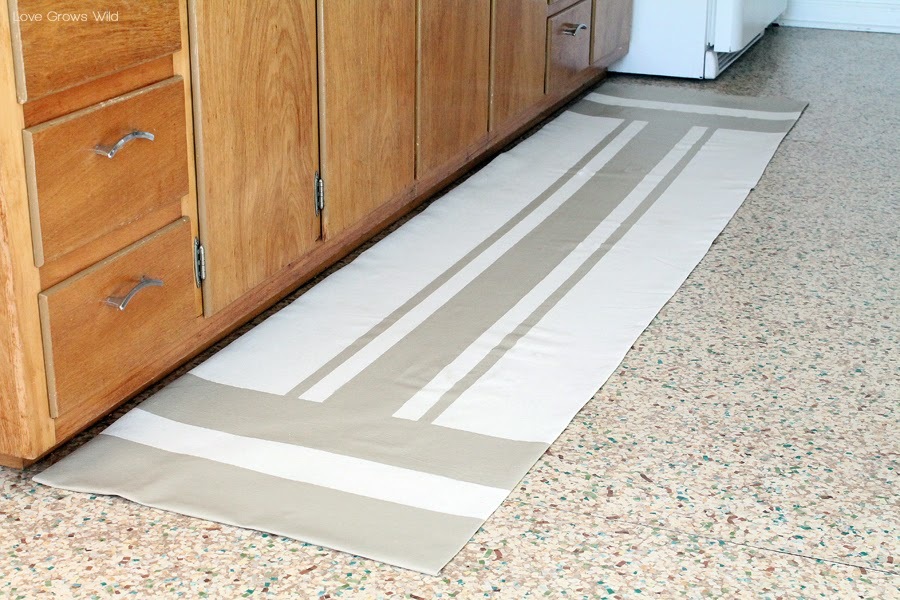
Transforming a canvas drop cloth into a unique rug involves selecting the right weaving or stitching technique. Different methods offer varying levels of complexity, aesthetic appeal, and durability. Careful consideration of these factors will guide your choice and ultimately determine the success of your project.
Various Weaving/Stitching Methods
Several techniques can be employed to create rugs from canvas drop cloths. Each method yields distinct results, influencing the rug’s texture, appearance, and overall aesthetic.
- Hand-Sewing: This traditional technique offers excellent control over the rug’s design and allows for intricate patterns. It’s ideal for smaller rugs or those with detailed designs. The process involves meticulously stitching sections of the canvas together, often with decorative stitches or embellishments.
- Macrame: Macrame utilizes knots to create a textured, often bohemian-style rug. The technique is relatively straightforward, involving the tying of various knots to create patterns and shapes on the canvas drop cloth. It provides a unique and relaxed aesthetic.
- Tapestry Weaving: This method involves creating a rug by weaving threads or yarns through a pre-stretched canvas base. The canvas drop cloth serves as the warp, and the threads create the weft. This technique is suitable for complex designs and produces a durable and visually rich rug. A variety of threads can be used, creating a wide range of color and texture options.
- Patchwork Stitching: This method involves sewing together various pieces of canvas in a patchwork design. This technique can be used to create a vibrant and patterned rug, and it offers flexibility in design. It is a good choice for larger rugs or those with a more casual aesthetic.
Comparison of Techniques
The choice of technique significantly impacts the rug’s final appearance and longevity. Hand-sewing, while offering precision, might take longer than other methods. Macrame creates a distinctive, relaxed style. Tapestry weaving allows for intricate designs but demands a more substantial time commitment. Patchwork stitching is ideal for larger rugs with bold patterns and is more approachable than tapestry weaving.
Detailed Table of Techniques
| Technique | Tools Required | Time Estimate (Approximate) | Aesthetic Impact |
|---|---|---|---|
| Hand-Sewing | Needle, thread, scissors, pattern (optional) | Moderate to High (depending on complexity) | Precise, intricate, and customizable designs |
| Macrame | Cord/rope, scissors, measuring tape | Moderate | Relaxed, bohemian, and textured |
| Tapestry Weaving | Warp threads, weft threads, loom (optional), scissors, needles | High | Intricate, durable, and visually rich |
| Patchwork Stitching | Sewing machine (or needle and thread), scissors, fabric scraps | Moderate to High | Vibrant, bold patterns, and casual aesthetic |
Step-by-Step Procedure: Hand-Sewing Technique
This procedure Artikels creating a simple, yet elegant hand-sewn rug.
- Preparation: Prepare the canvas drop cloth by ironing it and cutting it to the desired size.
- Design Layout: Plan the design on paper and transfer it onto the canvas drop cloth.
- Sewing: Using a needle and thread, carefully sew along the lines of your design, ensuring a neat stitch.
- Embellishment: Consider adding decorative stitches or embellishments to enhance the design.
- Finishing: Once the entire design is complete, trim any excess threads and finish the edges.
Finishing the Rug
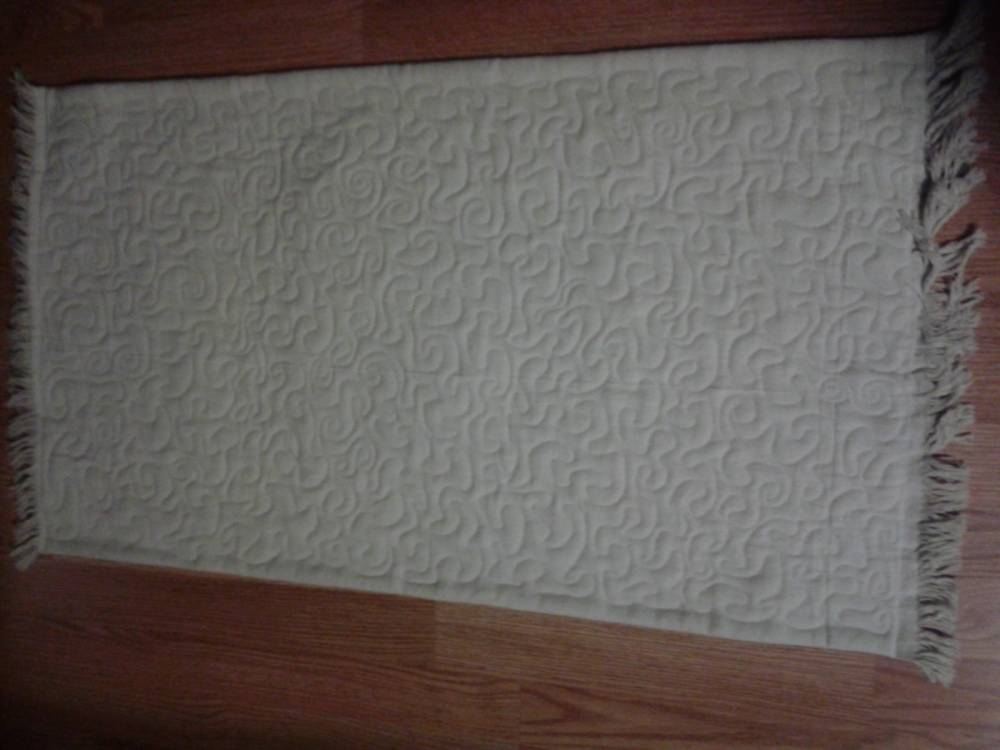
Completing the rug involves more than just creating the design; securing the edges and providing a supportive backing are crucial for longevity and aesthetic appeal. Proper finishing ensures the rug maintains its shape and beauty over time, making it a valuable addition to any room.A well-finished rug not only enhances the overall appearance but also contributes to its durability and longevity.
Careful attention to detail during this stage is essential to prevent fraying, maintain the integrity of the design, and protect the rug’s investment.
Securing the Rug’s Edges
The edges of the rug are susceptible to fraying and unraveling if not properly finished. This step is vital for both the aesthetic appeal and the structural integrity of the rug. Various methods exist for achieving this, each with its own advantages and disadvantages.
Edge Finishing Methods
A range of techniques can be used to secure the edges of the canvas drop cloth rug. The best choice depends on the desired aesthetic, the type of canvas, and the overall design of the rug.
| Edge Finishing Option | Pros | Cons | Required Materials |
|---|---|---|---|
| Binding | Creates a clean, finished edge; hides raw edges effectively; various fabrics and colors available for binding; good for a wide range of canvas drop cloth rugs | Can be more time-consuming than other methods; requires specific binding materials; may not be ideal for very large or complex designs | Binding tape/fabric, sewing machine (or needle and thread), scissors |
| Hemming | Simple and relatively quick; creates a neat, clean finish; cost-effective; suitable for many types of canvas drop cloths | May not hide raw edges as effectively as binding; can be less durable than binding; may not be ideal for very thick or bulky drop cloth rugs | Sewing machine (or needle and thread), scissors |
| Serging | Creates a strong, clean finish; ideal for preventing fraying; suitable for canvas rugs of all sizes | Requires a serger machine, which may be a significant investment; the machine needs maintenance and may not be accessible to everyone; may not be suitable for all designs | Serger machine, scissors |
| Using Fabric Glue | Quick and easy; no sewing required; great for rugs with complex or delicate designs | May not be as durable as other methods; may not be as aesthetically pleasing as sewn edges; not recommended for rugs with high traffic | Fabric glue, brush, scissors, protective surface |
Adding a Rug Backing
A backing is essential for adding support and durability to the rug. This step significantly increases the rug’s longevity and prevents the canvas from stretching or warping over time. The choice of backing material should consider factors like the intended use of the rug, the desired level of comfort, and the overall aesthetic.
Factors Influencing Backing Material Choice
The ideal backing material depends on various factors. The rug’s intended use (e.g., high-traffic area vs. a bedroom) will influence the material’s need for durability. Comfort is another crucial factor, particularly for rugs used in areas where people will spend time sitting or lying down.
Visual Inspiration and Examples
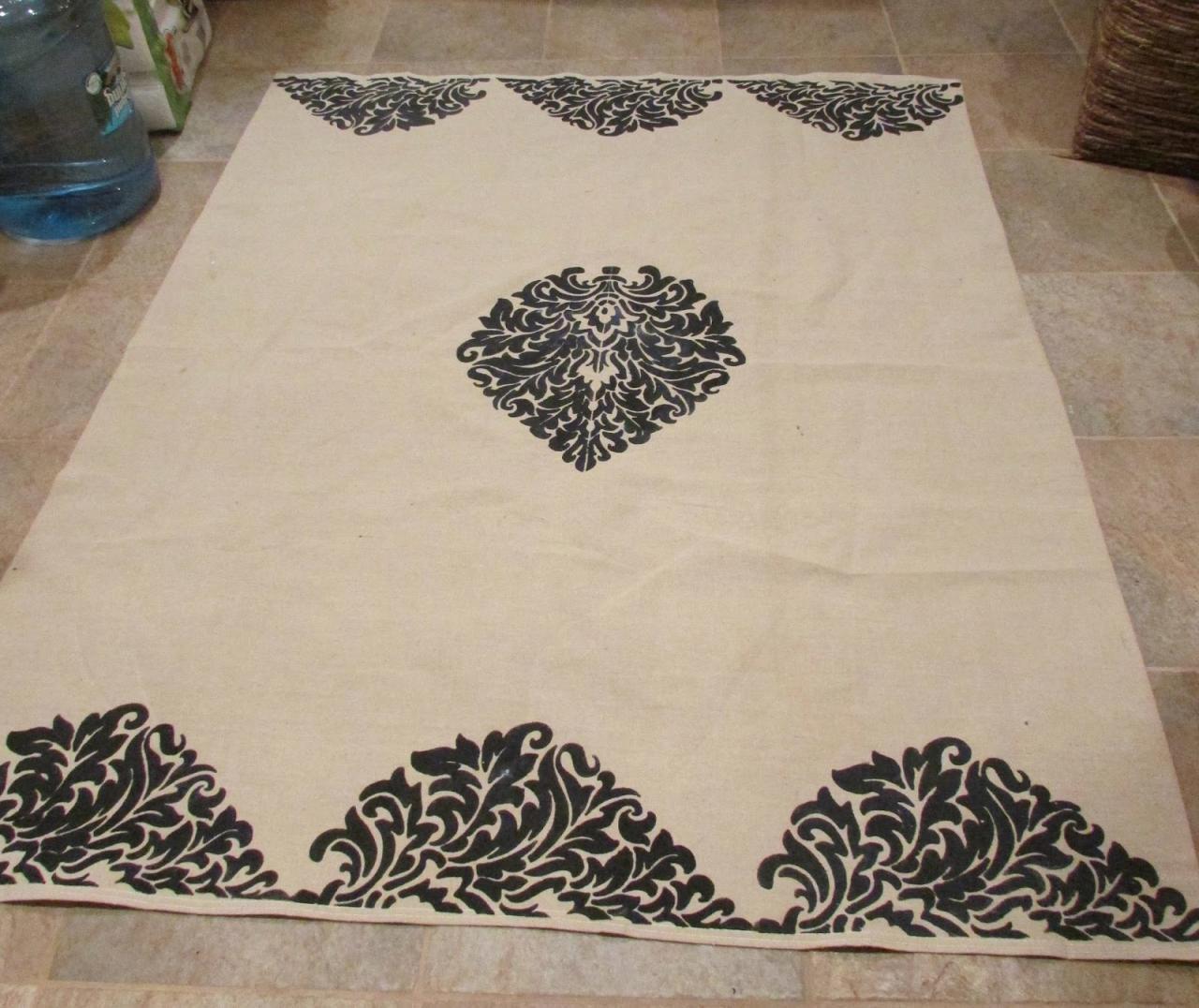
Transforming a simple canvas drop cloth into a unique and beautiful rug is a rewarding project. Visual inspiration plays a crucial role in this process, guiding your design choices and helping you achieve the desired aesthetic. Understanding various design approaches and techniques can significantly enhance the outcome of your upcycling endeavor.
Gallery of Canvas Drop Cloth Rugs
To effectively inspire your rug-making journey, a collection of examples is presented. Each image showcases a different design, style, and technique, providing a range of possibilities. Careful consideration of the aesthetic elements and the methods used in each example will offer valuable insights.
| Image | Description | Techniques Used | Aesthetic Appeal |
|---|---|---|---|
| Image 1: Bohemian Chic | A vibrant, multicolored rug featuring various shapes and patterns. The rug appears to be created using a patchwork approach, with different sections of the drop cloth sewn or knotted together. | Patchwork, tie-dye, knotting | The bold colors and freeform design create a bohemian atmosphere, perfect for a modern or eclectic interior. |
| Image 2: Rustic Farmhouse | A muted, natural-toned rug with a textured, woven look. The rug appears to be created by layering sections of the drop cloth and then securing them with stitching. | Layering, stitching, weaving | The rustic, natural aesthetic evokes a sense of warmth and comfort, ideal for a farmhouse or country-style home. |
| Image 3: Modern Geometric | A sleek, contemporary rug featuring clean lines and geometric shapes. The rug appears to be constructed with precisely cut and arranged sections of the drop cloth, perhaps with contrasting colors. | Geometric cutting, sewing, layering | The modern, minimalist aesthetic is perfect for a modern or contemporary home, offering a clean and sophisticated look. |
| Image 4: Vintage-Inspired | A rug with a distressed or vintage feel, achieving this look by using techniques such as distressing the edges or incorporating aged fabrics. The rug’s design is likely a combination of stenciling, painting, or decoupage. | Distressing, stenciling, painting, decoupage | The vintage-inspired aesthetic creates a touch of nostalgia and character, suitable for homes that appreciate a more antique or vintage vibe. |
| Image 5: Abstract Expressionism | A rug showcasing a dynamic and spontaneous design with bold, expressive colors and shapes. The rug appears to be created by painting or staining the drop cloth in various ways to achieve an abstract pattern. | Painting, staining, layering | The abstract design is ideal for those seeking a bold and artistic statement piece, creating a unique and expressive focal point in a room. |
End of Discussion
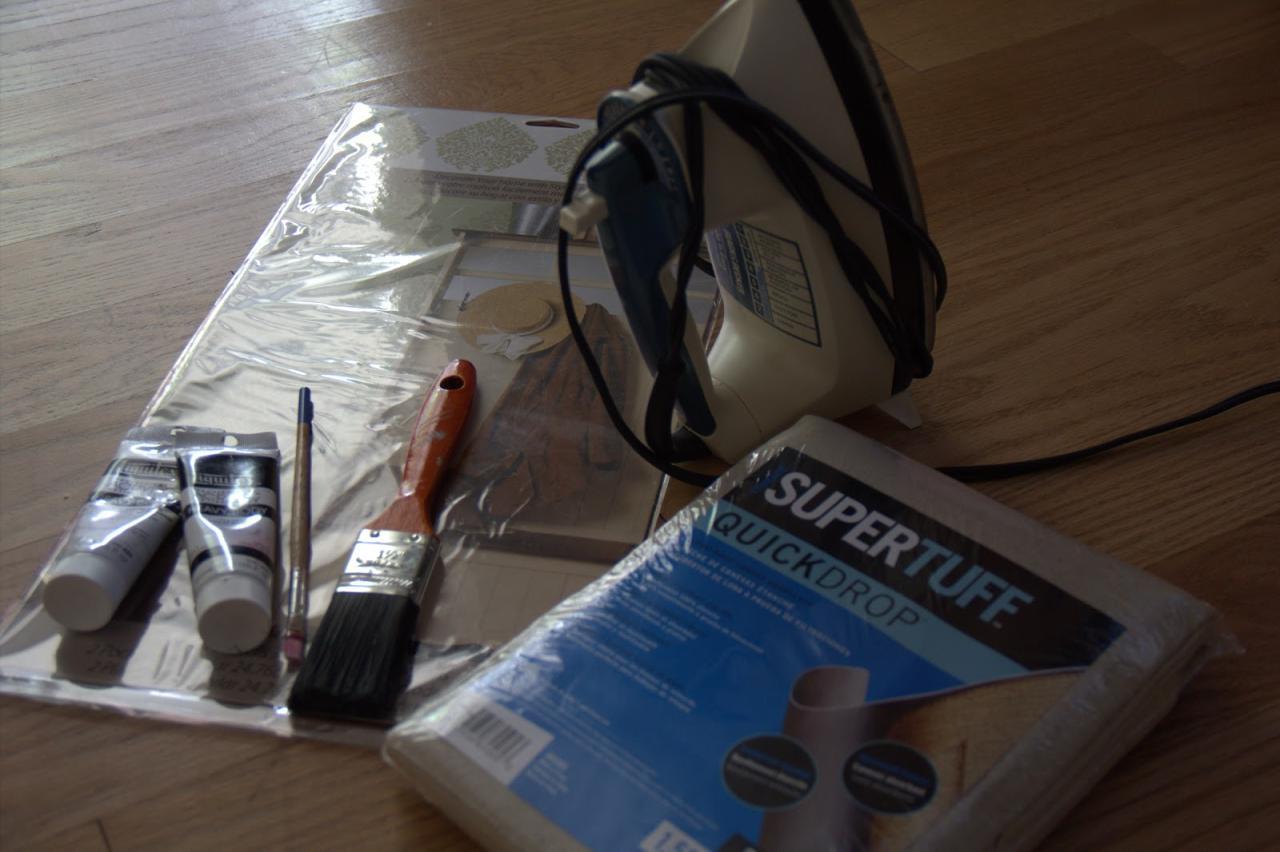
In conclusion, this guide has provided a thorough overview of the process of crafting rugs from canvas drop cloths. By following the detailed steps and tips Artikeld, you can transform discarded materials into stunning and personalized rugs for your home. Remember to choose the right drop cloth, prepare it meticulously, and explore the creative possibilities in design and finishing.
Enjoy the rewarding experience of upcycling and creating a unique piece of art for your living space!