Transform ordinary glass jars into exquisite vases with this comprehensive guide. Discover the artistry of upcycling, unlocking the beauty hidden within seemingly mundane containers. Repurposing glass jars not only saves the environment but also allows for unique and personalized home décor.
From meticulous cleaning and label removal to creative decorating techniques and artful floral arrangements, this guide provides a step-by-step approach. Learn how to prepare your jars, explore various decoration styles, and achieve stunning results.
Introduction to Upcycling Glass Jars
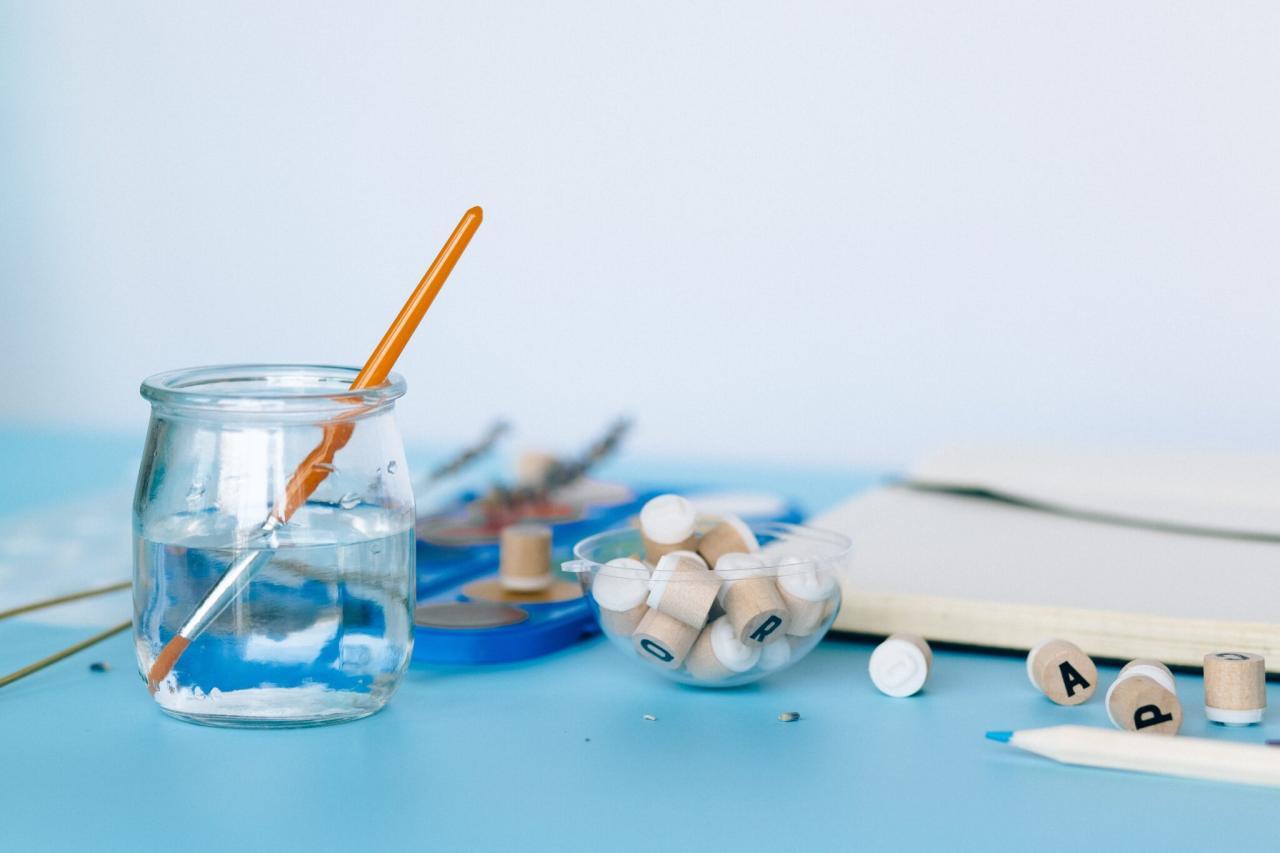
Repurposing glass jars, from humble food containers to elegant decorative pieces, is a time-honored practice. This trend, often intertwined with modern sustainability efforts, has gained significant traction in recent years, showcasing the versatility and beauty of seemingly ordinary items. This exploration delves into the compelling reasons behind the upcycling of glass jars, highlighting their environmental benefits, aesthetic appeal, and diverse applications.The practice of repurposing containers has deep roots, stretching back to civilizations that relied on resourceful use of available materials.
From ancient pottery shards transformed into tools to the recycling of materials in more modern times, repurposing is a timeless and practical approach. Today, this tradition continues, with creative individuals and communities embracing the art of transforming everyday items into unique and valuable objects.
Environmental Benefits of Repurposing
Repurposing glass jars significantly reduces landfill waste. Glass is a durable and recyclable material, making it an ideal choice for repurposing. By giving old jars a new life, we lessen the demand for new glass production, thereby reducing the environmental impact associated with mining raw materials and manufacturing processes. This contributes to a smaller carbon footprint and promotes a more sustainable approach to consumption.
Aesthetic Appeal of Glass Jars as Vases
The inherent beauty of glass lends itself beautifully to various decorative purposes, especially as vases. The transparency of glass allows light to interact with the contents, creating a captivating visual effect. The versatility of glass also means jars of varying shapes, sizes, and textures can be easily incorporated into different design styles, from rustic farmhouse to modern minimalist.
This variety makes glass jars incredibly adaptable, making them perfect for holding a range of flowers and greenery.
Types of Glass Jars Suitable for Upcycling
A wide array of glass jars can be transformed into beautiful vases. Mason jars, with their classic shape and size, are extremely popular for their versatility. Pickle jars, often featuring interesting lids and distinctive patterns, add a unique touch. Wide-mouth jars are ideal for larger arrangements, while smaller, delicate jars can be used to create captivating miniature displays.
| Jar Type | Characteristics | Suitable Uses |
|---|---|---|
| Mason Jars | Classic, versatile, come in various sizes | Flowers, succulents, small arrangements |
| Pickle Jars | Unique lids, often patterned | Flowers, herbs, decorative elements |
| Wide-Mouth Jars | Spacious interiors, perfect for large displays | Larger floral arrangements, greenery, small potted plants |
Different sizes and shapes of glass jars offer a spectrum of design possibilities, allowing for tailored and personalized decorative pieces.
Preparing the Jars for Transformation
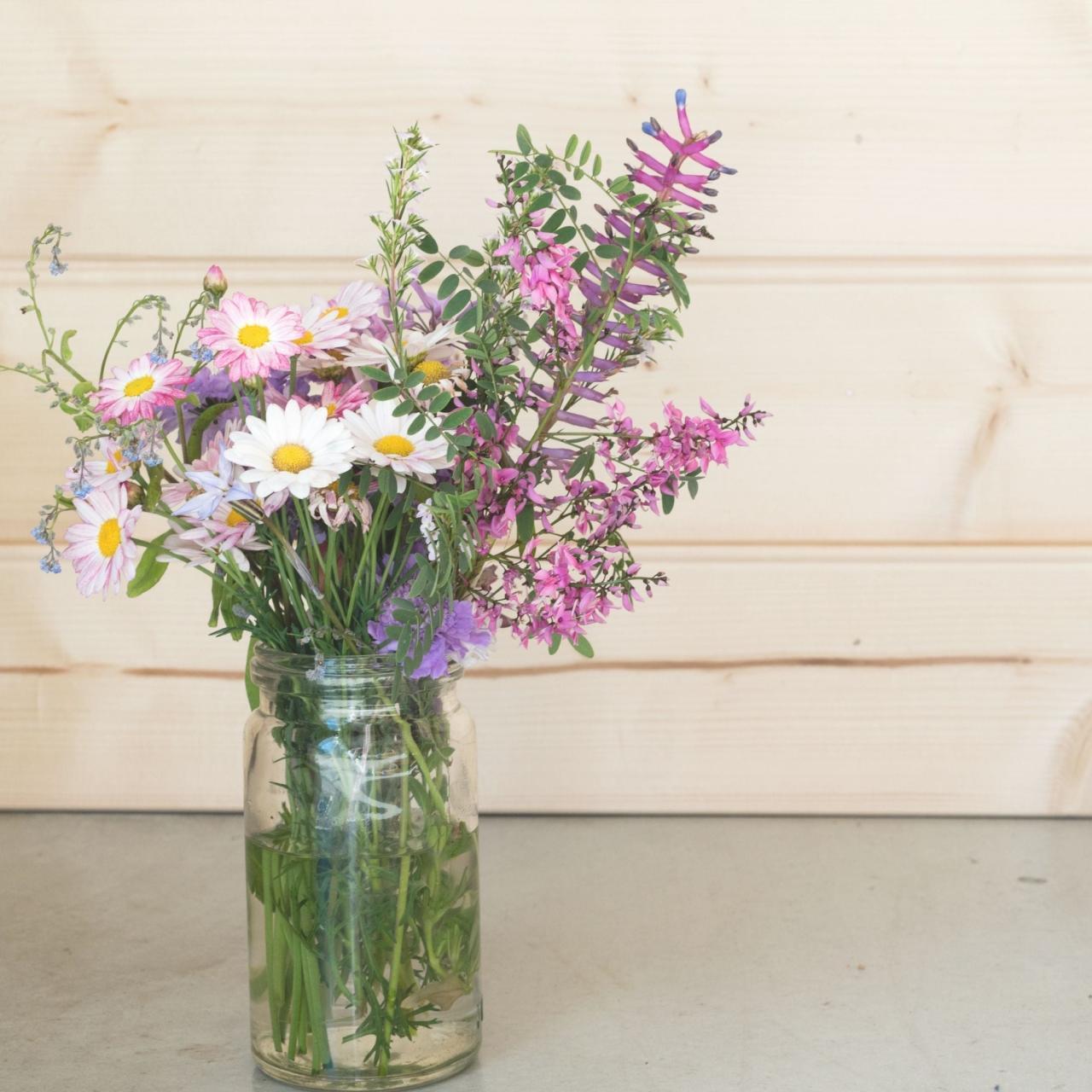
Transforming ordinary glass jars into elegant vases requires meticulous preparation. This crucial step ensures a clean, pristine surface for your decorative embellishments, leading to a more aesthetically pleasing and long-lasting final product. Careful cleaning, label removal, and sanitization are fundamental to this process. Proper preparation also protects the integrity of the jar and prevents any potential contamination.Thorough cleaning and preparation of the jars are essential for achieving a flawless final product.
A well-prepared jar ensures a durable and aesthetically pleasing vase. The following steps will guide you through the process of preparing your glass jars for their transformation.
Cleaning Glass Jars
Effective cleaning is the cornerstone of a successful upcycling project. Proper cleaning ensures a clean surface for your decorative additions. A thorough cleaning will remove any food residue, dirt, or sticky substances that may be present. To ensure a spotless surface, use hot, soapy water and a soft-bristled brush to scrub the inside and outside of the jar.
Rinse thoroughly with clean water to eliminate any remaining soap residue.
Removing Labels
Removing labels from glass jars can be challenging, but several methods can achieve this task effectively. For stubborn labels, soaking the jar in warm, soapy water for several hours can soften the adhesive. Alternatively, a gentle scraping motion with a plastic scraper can help detach the label without scratching the glass. Always proceed with caution to avoid damaging the jar.
Avoid using abrasive materials, which can scratch the glass.
Sanitizing Jars
Sanitizing the jars after cleaning and label removal is crucial to eliminate any lingering bacteria or contaminants. This step prevents the growth of mold or mildew and ensures a safe and sanitary final product. Submerge the jars in a solution of one tablespoon of bleach per gallon of water for at least 10 minutes. Thoroughly rinse with clean water to eliminate any residual bleach.
Ensure the jars are completely dry before proceeding with any decorating steps.
Preparing the Exterior
Once the jars are clean, sanitized, and dry, you can prepare their exterior for decoration. Sanding the jar’s surface can create a textured base for paint or other decorative elements. A fine-grit sandpaper is recommended to avoid creating deep scratches. For a smooth finish, use a sanding block. After sanding, thoroughly clean the jar with a damp cloth to remove any dust particles.
If desired, apply a primer to the exterior surface. Priming helps the paint adhere better and creates a uniform base for your design.
Necessary Tools and Supplies
A well-stocked toolkit is essential for this process. These items will aid in cleaning, label removal, sanitization, and preparation.
- Hot, soapy water
- Soft-bristled brush
- Plastic scraper
- Warm water
- Bleach
- Clean water
- Fine-grit sandpaper
- Sanding block
- Damp cloth
- Primer
Creative Decoration Techniques
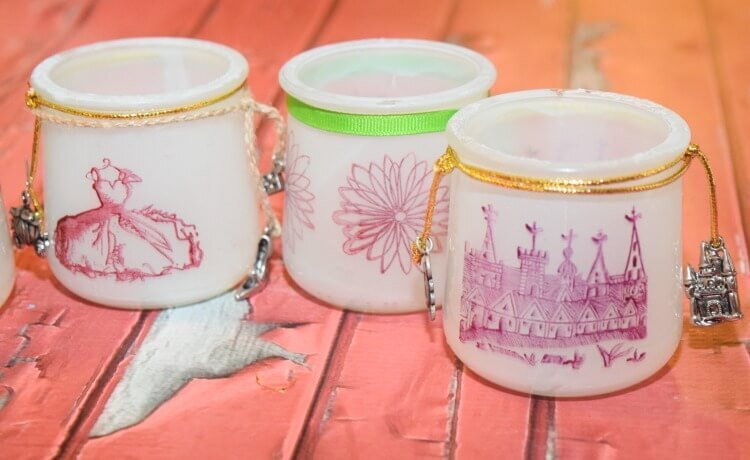
Transforming plain glass jars into chic vases involves creative decoration. A wide array of techniques can be employed, allowing for personalization and unique aesthetics. From simple paint applications to intricate decoupage, each method contributes to the final look and feel of the upcycled piece.The selection of decoration techniques depends on the desired aesthetic. A subtle painted design might suit a minimalist approach, while intricate decoupage can create a more elaborate and decorative vase.
Choosing the right materials and techniques is key to achieving a visually appealing and long-lasting result.
Painting Techniques for Glass Jars
Painting glass jars provides a versatile way to add color and personality. Various painting techniques can be employed, each with its own unique effect.
- Acrylic paints are a popular choice for glass due to their vibrant colors and ease of use. They adhere well to the surface, and the wide range of colors available allows for a diverse array of designs. Proper preparation, including cleaning the glass and applying a primer, is crucial for optimal adhesion and longevity.
- Enamel paints offer a durable and high-gloss finish, perfect for outdoor use or high-traffic areas. Their superior durability makes them ideal for creating pieces that will withstand everyday use. They are typically more expensive than acrylic paints, but their superior resistance to chipping and scratching makes them a worthwhile investment for long-lasting decorations.
- For a textured look, consider using a sponge or a brush with varying degrees of stiffness. This creates unique patterns and effects, ranging from subtle washes to bold, layered designs.
Decoupage Techniques
Decoupage involves adhering decorative elements, such as paper or fabric, to the jar’s surface. It’s a popular technique for creating intricate and detailed designs.
- Choose high-quality decoupage paper or patterned paper with images or designs. Ensure the paper is suitable for the surface and adheres well. Consider the size and complexity of the design, as this will affect the overall appearance of the finished product.
- Apply a thin layer of decoupage medium to the jar, ensuring even coverage. This acts as an adhesive and helps the paper adhere smoothly. Ensure the medium is suitable for the type of paper used.
- Carefully position the chosen design on the jar, smoothing out any air bubbles. Use a craft knife or scissors to trim any excess paper, making the design fit the jar’s contours seamlessly.
Using Fabric Scraps and Other Materials
Fabric scraps, ribbons, twine, and other materials can add unique decorative accents to the jars. The versatility of these materials allows for customization and a unique touch.
- Fabric scraps can be used to create a patchwork effect or as decorative accents. Consider using a variety of textures and colors to create visual interest.
- Ribbons in various widths, colors, and patterns can add a touch of elegance or whimsy to the design. Use them as borders, as accents, or to tie the design together.
- Twine and other string materials can be used to create a rustic or handcrafted look. They can be wrapped around the jar or used to create a patterned design. Choose twine that complements the overall aesthetic.
Stencils and Patterned Tapes
Stencils and patterned tapes provide a quick and easy way to add designs to the jar’s surface. These tools are especially useful for creating repetitive patterns or complex designs.
- Stencils allow for precise application of patterns and designs. They are particularly helpful for achieving uniform designs and creating a cohesive aesthetic.
- Patterned tapes offer pre-designed patterns that can be applied directly to the jar, saving time and effort. Choose tapes with patterns that complement the overall design of the jar.
Creating Unique Textures
Adding textures to the jar’s surface can enhance the visual appeal and create a unique look. Sandpaper, wax, and other materials can be used to achieve different effects.
- Sandpaper can be used to create a distressed or aged look, which adds character and depth to the design. Choose different grits of sandpaper for varying degrees of texture.
- Wax can create a smooth, polished look, depending on the type and application method. This technique can highlight the contours of the jar and add a glossy finish.
Embellishments
Adding embellishments can further enhance the visual appeal of the jars. Beads, ribbons, and twine are popular choices.
- Beads can be glued or attached to the jar in various patterns or arrangements. Consider the size, shape, and color of the beads to complement the design. Varying sizes and colors create visual interest.
- Ribbons can be used to create decorative bows or as accents around the jar. Choose ribbons that match the color scheme or contrast with the paint or decoupage.
- Twine can be wrapped around the jar to create a textured or rustic look. Experiment with different wrapping techniques for a unique and personalized effect. Different colors and thicknesses can add visual interest.
Adding Personal Touches
Transforming plain glass jars into exquisite vases is an excellent opportunity to infuse them with personal touches. These additions not only enhance the aesthetic appeal but also imbue the vases with a unique story, reflecting your personality and cherished memories. Adding a personal touch is a vital step in crafting truly one-of-a-kind pieces.Personalizing these upcycled jars allows for the creation of unique, personalized décor.
This step brings the upcycling project to life by connecting the jars with memories, dates, and meaningful messages. By adding these elements, you’re not just decorating; you’re creating a piece of art that carries a personal story.
Personalizing the Jars’ Aesthetics
Adding names, dates, or meaningful quotes elevates the aesthetic of the jars, turning them into treasured keepsakes. These personalized elements transform simple containers into meaningful pieces of home décor. Consider adding the names of loved ones, special dates, or inspiring quotes to create a personalized vase.
Incorporating Personal Messages and Quotes
Incorporating personal messages or quotes enhances the aesthetic appeal and transforms the jar into a personal statement. Using a calligraphy pen, a fine-tipped marker, or even a stencil, you can add messages or quotes that hold special significance. For instance, a short, meaningful quote or a favorite passage can be inscribed on the jar’s surface.
Adding Decorative Elements Inside the Jars
Adding decorative elements inside the jars, such as dried flowers, small figurines, or miniature artworks, elevates the design to a more complex level. These additions bring a touch of elegance and visual interest to the upcycled vases. The chosen decorative elements should complement the overall design and color scheme. For instance, a small figurine of a loved one or a collection of colorful dried flowers could add a touch of personality.
Materials for Interior Decoration
Choosing appropriate materials to complement the design inside the jar is crucial for a harmonious aesthetic. This step ensures the interior décor enhances, rather than detracts from, the overall design. Various materials can complement the jar’s design, such as pebbles, crystals, seashells, or small figurines. The materials should be selected based on their color, texture, and size to create a cohesive and visually appealing arrangement.
A collection of polished river stones, for example, could add a natural touch.
Color Combinations
The following table demonstrates potential color combinations that complement various decorative elements, ensuring a visually appealing and harmonious aesthetic:
| Jar Color | Decorative Elements | Color Combination |
|---|---|---|
| Light Blue | Dried Lavender, White Crystals | Soft, calming |
| Dark Green | Dried Eucalyptus, Gray Pebbles | Natural, earthy |
| Cream | Dried Roses, Gold Figurines | Elegant, sophisticated |
| Burgundy | Dried Ranunculus, Copper Shells | Rustic, warm |
| Black | Dried Amaranth, Silver Crystals | Modern, dramatic |
These color combinations serve as a starting point; feel free to experiment and find your own unique and personalized color palettes. Experimentation with various color combinations and decorative elements will allow you to create a truly personalized and visually appealing upcycled vase.
Choosing the Right Floral Arrangements
Transforming a simple glass jar into a captivating vase is only half the battle. The true magic lies in selecting the perfect floral arrangement to complement its unique character. Thoughtful consideration of flower type, size, and arrangement style will elevate your upcycled vase from ordinary to extraordinary.
Flower Selection
Careful flower selection is paramount for a successful arrangement. Consider the color palette, bloom size, and overall aesthetic you envision. Different flowers and greenery possess distinct qualities that contribute to the overall visual impact.
- Roses: Known for their elegance and classic appeal, roses come in a myriad of colors and sizes, making them a versatile choice for various arrangements. Their full, rounded blossoms add a touch of romance and sophistication to any space.
- Lilies: Lilies offer a regal presence, boasting striking colors and distinctive shapes. Their long stems and graceful form make them ideal for creating dramatic cascading arrangements.
- Hydrangeas: These large, fluffy blooms provide a voluminous and textural element. They are particularly well-suited for creating fuller, more dramatic arrangements within the glass jars.
- Peonies: Peonies, with their exquisite large, full blooms, offer a touch of old-world charm. Their velvety texture and rich color palette complement a variety of aesthetics.
- Calla Lilies: With their tall, elegant stems and striking, trumpet-shaped flowers, calla lilies add a touch of modern sophistication to any arrangement.
- Greenery: Greenery such as eucalyptus, ferns, and sprigs of rosemary not only add visual interest but also extend the vase life of your flowers by absorbing excess moisture. They also provide a touch of natural texture and depth.
Considering Flower Size and Shape
The size and shape of your flowers significantly impact the arrangement’s visual appeal. Consider how the flowers will interact with the vase’s form and the space available within. Smaller blooms work well in more compact jars, while larger flowers might benefit from a taller vase. Proportion is key.
Arrangement Techniques
The technique used to arrange flowers directly influences the overall aesthetic of the arrangement. Different approaches produce distinct effects.
- Simple Bouquets: A simple bouquet typically features a collection of flowers clustered together in a balanced way. This style emphasizes the natural beauty of the blooms.
- Cascading Arrangements: These arrangements feature flowers cascading down the side of the vase, creating a flowing, dynamic effect. They often incorporate longer stems and greenery to support the cascading motion.
- Centerpiece Arrangements: Centerpiece arrangements often incorporate a variety of flowers and greenery, aimed at creating a visually striking centerpiece for a table or other focal point.
Maximizing Visual Appeal
To maximize the visual appeal of your floral arrangements, consider the following:
- Color Harmony: Select flowers that complement each other in terms of color and tone. Consider using a color palette that aligns with the overall decor of the space.
- Texture Variation: Incorporate flowers with varied textures to add depth and interest to the arrangement.
- Focal Point: Consider which flower or element will act as the focal point of the arrangement. Place it strategically within the vase to direct attention.
Selecting Flowers in Prime Condition
For optimal vase life, select flowers that are in their prime. Avoid flowers that are already wilting or have damaged petals. Examine the stems for any signs of damage or discoloration.
Table Comparing Different Floral Arrangement Styles
| Arrangement Style | Description | Best Use Case |
|---|---|---|
| Simple Bouquet | A collection of flowers clustered together in a balanced way. | Compact vases, smaller spaces, or a more understated aesthetic. |
| Cascading Arrangement | Flowers cascading down the side of the vase. | Taller vases, adding a dramatic touch, or creating a flowing visual effect. |
| Centerpiece Arrangement | A more elaborate arrangement using a variety of flowers and greenery. | Tables, dining areas, or other focal points. |
Maintaining the Vases
Preserving the beauty and longevity of your upcycled glass vases is crucial to enjoying their aesthetic appeal for years to come. Proper maintenance ensures that your creative transformations remain vibrant and avoid any unwanted deterioration. Regular care and attention will not only maintain the jars’ pristine appearance but also prolong their lifespan.
Cleaning Procedures
Regular cleaning is paramount to maintaining the aesthetic appeal and preventing the build-up of dirt, dust, and other debris. This is especially important for upcycled vases, as the original purpose of the jar may not have been for floral arrangements, and thus may have accumulated more contaminants. Failure to clean your vases regularly can lead to a dull appearance and potentially damage the integrity of the decorations applied.
A simple, yet effective, cleaning routine is essential. A soft sponge or cloth, along with a mild dish soap and warm water, is often sufficient for most jars. Avoid harsh chemicals or abrasive cleaners, as they could potentially damage the delicate surface or decorations applied. For stubborn stains or dirt, a gentle scrub with a soft brush can be employed.
Preventing Mold and Mildew
Mold and mildew can be unsightly and can compromise the structural integrity of the glass, especially if the upcycling involved a significant alteration of the original jar’s surface. To prevent mold and mildew, ensure proper ventilation and avoid keeping the vases in damp or humid environments. Thoroughly drying the vases after cleaning is critical to prevent moisture buildup, which can promote mold growth.
Furthermore, if the vase is used frequently, consider placing a small amount of desiccant (like silica gel) inside to help absorb excess moisture. If mold or mildew does appear, gently remove it with a soft brush and soapy water. Thoroughly rinse and dry the vase afterwards to prevent recurrence.
Protecting from Damage
Protecting your upcycled vases from damage is important to ensure their longevity. Handle the vases carefully to avoid scratches, cracks, or chips. Store them in a cool, dry place when not in use, preferably in a cabinet or drawer to prevent them from getting knocked over or subjected to extreme temperatures. Avoid placing them in direct sunlight, as prolonged exposure can cause fading or discoloration, especially if the decorations are painted or applied with other materials.
When arranging flowers or other decorative items, use appropriate supports to prevent the weight from putting undue stress on the vase. Consider the fragility of the upcycled vase and its structural integrity before loading it with items that could put excessive pressure on it. This will prevent breakage and maintain the aesthetic appeal of your creation.
Recommended Cleaning Products
For maintaining the pristine condition of your upcycled vases, using the appropriate cleaning products is essential. A gentle dish soap, such as a mild liquid soap or a dish soap formulated for delicate items, is usually sufficient. Avoid harsh chemicals, abrasive cleaners, or bleach, as they can damage the glass, paint, or decorations on the vase.
| Product | Description |
|---|---|
| Mild Dish Soap | A safe and effective option for regular cleaning. |
| Soft Sponge/Cloth | Gentle cleaning without scratching the surface. |
| Soft Brush (optional) | For removing stubborn stains or debris. |
| White Vinegar (diluted) | A natural cleaning agent for tougher stains. |
| Silica Gel Desiccants (optional) | Help absorb moisture to prevent mold. |
Showcase Ideas
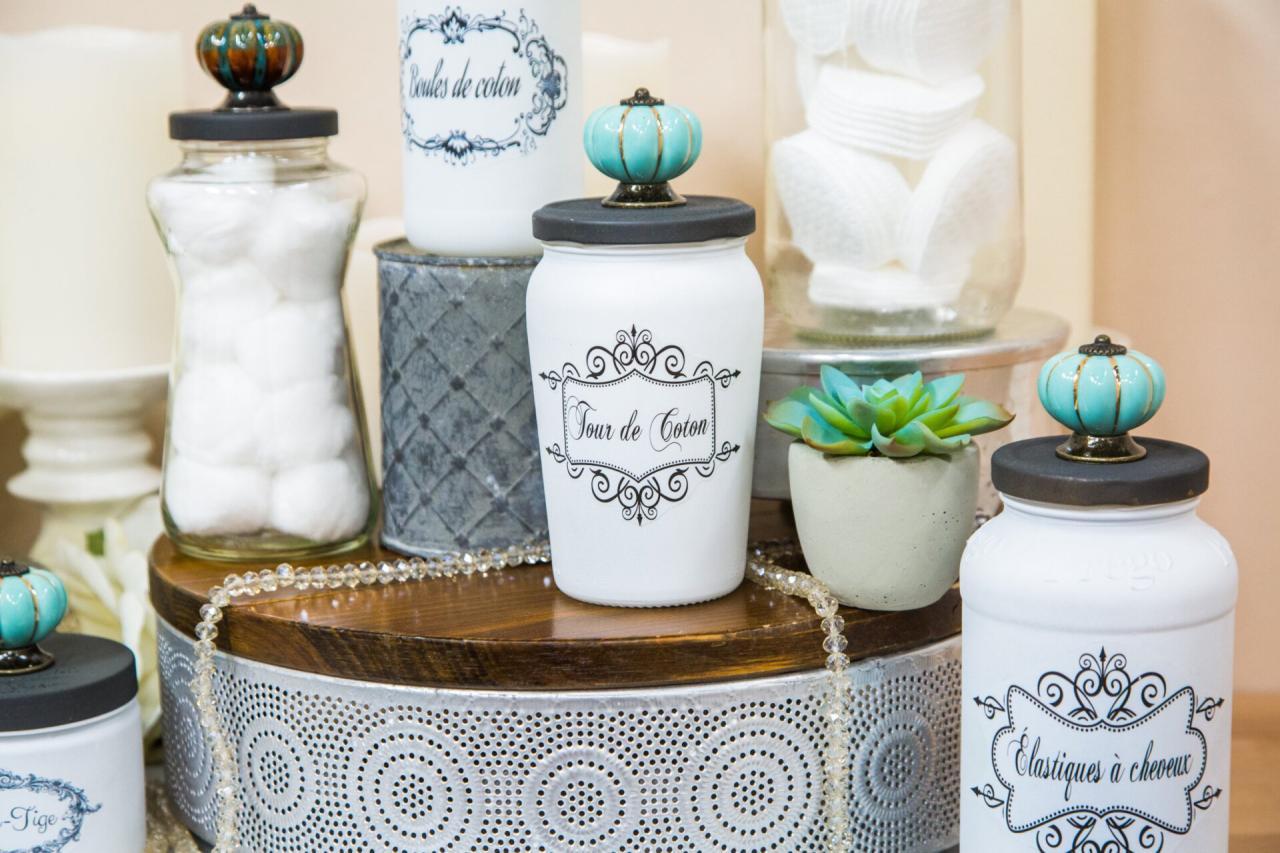
Transforming ordinary glass jars into stylish vases is a fantastic way to add unique character to your home décor. This section explores various design possibilities, showcasing how to arrange these upcycled treasures in diverse interior settings. From rustic charm to modern minimalism, the options are endless.
Transforming Jars into Vases: Design Examples
A wide range of styles can be achieved by creatively transforming glass jars. The possibilities extend far beyond simple aesthetics, incorporating practical considerations for both the vases and their intended environment. Consider the existing décor when choosing a style and color scheme.
| Style | Jar Type | Decoration | Interior Setting | Description |
|---|---|---|---|---|
| Rustic | Wide-mouthed mason jars | Natural elements like twine, burlap, or wooden accents | Living room, kitchen | This style exudes a warm and inviting atmosphere. The natural textures of twine or burlap complement the rustic aesthetic. A group of these jars, varying in height, can be arranged on a mantelpiece or a kitchen countertop. |
| Modern | Clear glass jars with various shapes | Geometric patterns, metallic accents, or clean lines | Living room, dining room, entryway | Modern designs emphasize simplicity and elegance. Clear glass jars allow the natural beauty of the flowers to shine. Adding metallic accents, like copper or gold spray paint, provides a touch of contemporary sophistication. A single, tall vase can be a striking centerpiece in a modern living room. |
| Bohemian | Various sizes and shapes of glass jars | Macrame, dried flowers, colorful ribbons, or painted designs | Bedroom, living room, or a corner of a dining room | The bohemian style embraces a vibrant and eclectic approach. This style incorporates elements such as macrame, dried flowers, and ribbons in a variety of colors and patterns. Multiple jars, each decorated differently, can be displayed on a shelf or table in a bohemian-style room. |
Arranging Vases in Different Interior Settings
The placement of upcycled vases can significantly enhance the ambiance of a room. Careful consideration of the room’s overall design and the vase’s unique characteristics is key to achieving a visually appealing and harmonious effect.
- Living Room: Group a collection of vases of varying heights and styles on a coffee table or console. Consider using different types of flowers and greenery to create a visually interesting display. The combination of different styles, heights, and colors of vases on the coffee table can draw attention to the centerpiece.
- Bedroom: Place a single, eye-catching vase on a nightstand or dresser. A small, decorated vase filled with a few dried flowers or a single stem of a long-lasting flower can add a touch of elegance to the space. Consider placing a small collection of vases in different sizes on a dresser.
- Dining Room: Position a group of vases of similar styles on a dining table. Use flowers that complement the color scheme of the room and enhance the overall aesthetic. This will add a sophisticated and pleasing ambiance.
Inspirational Image Gallery
The following images showcase various arrangements and decorating techniques.
- Image 1: A collection of rustic-style mason jars, decorated with twine and burlap, creates a charming focal point on a wooden console table in a living room. The soft lighting emphasizes the warm tones of the jars and the natural elements, creating a welcoming atmosphere.
- Image 2: A modern, tall clear glass vase, accented with a copper-colored geometric pattern, is positioned as a centerpiece on a glass-top dining table. The vase holds a sophisticated arrangement of white flowers and greenery, contrasting beautifully with the sleek table and the overall modern aesthetic of the room.
- Image 3: A bohemian-style display features various sizes and shapes of painted glass jars, decorated with macrame, dried flowers, and colorful ribbons. The eclectic mix of textures and colors creates a vibrant and inviting ambiance in a corner of a bedroom.
Closing Notes
In conclusion, this guide has shown you the transformative power of upcycling glass jars into chic vases. You’ve learned how to prepare the jars, decorate them creatively, and select the perfect floral arrangements to complement your unique designs. Embrace the opportunity to add a personal touch to your home décor, while reducing your environmental impact. From simple bouquets to cascading arrangements, the possibilities are endless.