Embark on a captivating journey into the world of small wall tapestry weaving. This comprehensive guide will equip you with the knowledge and techniques to bring your artistic visions to life. From selecting the perfect design to mastering the intricate weaving process, we’ll explore every step, ensuring your tapestry creation is a source of pride and admiration.
Discover the rich history and cultural significance behind these captivating works of art. Learn about the diverse materials and techniques, and gain insights into the design elements that transform a simple project into a masterpiece. We’ll guide you through the entire process, from planning your design to showcasing your finished creation.
Introduction to Small Wall Tapestry Weaving
A small wall tapestry is a decorative textile artwork, typically of a manageable size for display on a wall. It often features intricate designs and patterns, woven from various threads, and is appreciated for its visual appeal and craftsmanship. These pieces can range from delicate, miniature works to more substantial, though still compact, representations of artistic vision.Tapestries have held significant cultural and historical value for centuries.
Used to adorn castles and palaces, they served as both functional and aesthetic elements. They frequently depicted scenes from history, mythology, or daily life, providing a visual record of the times. Their beauty and historical significance have led to their continued popularity as treasured decorative items.
Materials Commonly Used
A wide variety of materials are employed in the creation of small wall tapestries. Natural fibers, such as wool, cotton, linen, and silk, are prevalent choices. Wool, in particular, is often favored for its durability and ability to hold intricate designs. Synthetic fibers, like acrylic and rayon, are also sometimes incorporated, often for their affordability and specific qualities.
The choice of material significantly impacts the final appearance, texture, and lifespan of the tapestry.
Techniques for Creating Small Wall Tapestries
Various techniques are used in tapestry weaving, each with its own aesthetic characteristics. The most common method involves the use of a tapestry loom, where threads are meticulously woven to create the desired pattern. Other techniques might involve free-hand weaving or incorporating supplementary embroidery techniques, enhancing the complexity and design. The technique selected will influence the tapestry’s look, texture, and level of detail.
Comparison of Materials, Techniques, and Typical Sizes
| Material | Technique | Typical Size Range (Approximate) |
|---|---|---|
| Wool | Tapestry Loom | 12″ x 18″ to 36″ x 48″ |
| Silk and Linen Blend | Tapestry Loom with supplementary embroidery | 18″ x 24″ to 48″ x 60″ |
| Cotton | Tapestry Loom | 12″ x 16″ to 30″ x 40″ |
| Acrylic | Tapestry Loom or Free-hand | 12″ x 18″ to 24″ x 36″ |
This table provides a general overview. Specific sizes can vary depending on the complexity of the design and the weaver’s preference.
Choosing Your Project and Design
Selecting a suitable design is crucial for a successful small wall tapestry. A well-chosen design not only enhances the aesthetic appeal of the piece but also reflects the weaver’s artistic vision and skill. Careful consideration of the design elements, motifs, and styles is paramount to creating a tapestry that is both visually engaging and personally satisfying.The design of a small wall tapestry should be carefully considered, balancing artistic expression with the limitations of the scale.
This involves selecting a design that complements the space and personal style, ensuring the tapestry effectively serves as a decorative element within the room’s aesthetic. A well-conceived design can significantly elevate the overall ambiance and character of the surrounding environment.
Importance of Design Selection
Careful consideration of the design is essential to creating a tapestry that is both aesthetically pleasing and functional. A well-chosen design can enhance the tapestry’s visual appeal, showcasing the weaver’s artistic skill and vision. Conversely, a poorly chosen design can detract from the piece, making it less impactful and visually harmonious.
Design Elements
A variety of design elements can be incorporated into a small wall tapestry. These include color palettes, patterns, motifs, and textures. The choice of these elements will influence the overall visual impact and aesthetic appeal of the final product. Consideration should be given to how these elements work together to create a cohesive and balanced composition.
Common Design Motifs
Common design motifs include floral patterns, geometric shapes, abstract forms, and animal figures. Floral patterns often evoke a sense of nature and tranquility, while geometric patterns can create a sense of order and structure. Abstract forms allow for greater creativity and artistic expression, while animal figures can convey a sense of narrative or symbolism. Each motif can be interpreted in various ways, creating a unique visual experience.
Comparison of Design Styles
Different design styles can significantly influence the overall aesthetic of the tapestry. Traditional styles, such as those found in folk art or historical textiles, often emphasize intricate patterns and symbolic meanings. Contemporary styles, on the other hand, might favor abstract or minimalist designs, highlighting modern aesthetics and simplified forms. Understanding the characteristics of each style is key to selecting a design that aligns with personal preferences.
Inspiration Sources
Numerous resources can provide inspiration for choosing a design. Books on textile arts, particularly those focusing on tapestry weaving, offer valuable insights into historical and contemporary design trends. Online resources, including websites showcasing tapestry designs and galleries of woven art, can also be excellent sources of inspiration. Examining other art forms, such as painting, photography, and even nature itself, can spark creative ideas and provide a rich source of visual references.
Inspiration Source Table
| Design Style | Inspiration Source | Key Elements |
|---|---|---|
| Traditional Folk Art | Books on historical textiles, museums | Intricate patterns, symbolic motifs, natural colors |
| Contemporary Abstract | Modern art galleries, abstract paintings | Geometric shapes, bold colors, minimalist forms |
| Floral | Botanical illustrations, nature photography | Floral patterns, soft color palettes, delicate textures |
| Geometric | Geometric patterns, architectural designs | Repeating patterns, symmetrical shapes, strong lines |
Gathering Your Supplies
A crucial aspect of successful tapestry weaving is the meticulous selection and preparation of your supplies. Choosing high-quality materials and appropriate tools ensures a pleasant weaving experience and a durable, aesthetically pleasing final product. Careful consideration of storage and care practices further enhances the longevity of your supplies and projects.
Essential Materials
The core materials for small wall tapestry weaving are yarns, threads, and the backing fabric. The type and quality of these materials directly impact the tapestry’s appearance, durability, and overall aesthetic appeal. The right choice of materials will make the weaving process more enjoyable and the final product more satisfying.
- Yarn/Threads: Select yarns appropriate for your chosen design and project. Consider factors like color, texture, and weight. High-quality yarns will maintain their integrity throughout the weaving process and produce a more vibrant, durable tapestry. Natural fibers like wool, silk, or linen offer unique textures and warmth, while synthetic fibers like acrylics or rayons provide a wide range of colors and are often more affordable.
The specific type of yarn will impact the finished product.
- Backing Fabric: A sturdy backing fabric is essential for providing structure and support to the tapestry. Canvas, linen, or even a heavier-weight cotton are good choices. The backing material should be large enough to accommodate the desired tapestry size and should be able to handle the weight of the yarn.
Tools and Equipment
A well-equipped workspace is vital for efficient and comfortable tapestry weaving. The right tools and equipment enhance precision and ease of use, ensuring a positive experience throughout the weaving process. The choice of tools will affect the overall quality and aesthetic of the finished tapestry.
- Warping equipment: This can include a warping board, reed, and shuttles. These tools assist in the precise setup of the warp threads on the loom. The proper setup ensures even tension and avoids irregularities in the finished product.
- Weaving tools: Essential weaving tools include shuttles, needles, scissors, and tweezers. The quality of these tools affects the ease of weaving, accuracy, and the overall feel of the tapestry.
- Measuring tools: A measuring tape or ruler is necessary to accurately measure yarn lengths and create patterns, ensuring that the design is appropriately scaled for the size of the tapestry.
Proper Storage and Care
Maintaining the condition of your supplies is essential for both the longevity of the materials and the quality of future projects. Proper storage and care prevent damage and ensure that your supplies are always ready for use.
- Storage: Store yarns and threads in cool, dry places, away from direct sunlight. This helps to prevent fading and maintain the integrity of the fibers. Use appropriate containers to protect them from dust and damage.
- Cleaning: Regularly clean tools and equipment to prevent dust buildup and ensure optimal performance. Follow manufacturer guidelines for cleaning delicate tools or materials.
Supply List
| Supply | Description | Importance |
|---|---|---|
| Yarn/Threads | Various colors, weights, and textures of yarn or thread for the tapestry. | Provides the visual elements and structure of the tapestry. |
| Backing Fabric | A sturdy fabric (e.g., linen, canvas) for supporting the weaving. | Provides a stable base for the tapestry. |
| Warping equipment | Tools like warping boards, reeds, and shuttles for preparing the warp threads. | Ensures the warp threads are properly positioned and tensioned. |
| Weaving tools | Shuttles, needles, scissors, and tweezers for the weaving process. | Facilitates precise weaving and manipulation of threads. |
| Measuring tools | Measuring tape or ruler for accurate measurements. | Ensures accurate scaling of patterns and designs. |
| Storage containers | Boxes, bags, or containers for organizing and protecting supplies. | Protects supplies from dust, damage, and moisture. |
Preparing the Loom and Design Transfer
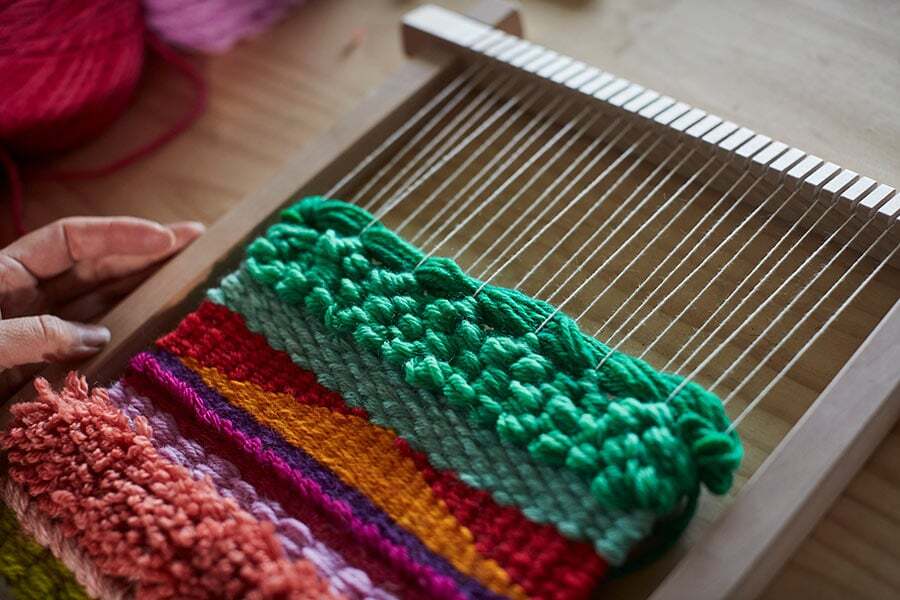
Setting up a tapestry loom and transferring your design onto the warp threads are crucial steps in creating a beautiful wall tapestry. This section will guide you through the process, from selecting the appropriate loom to meticulously transferring your design. Understanding these steps ensures a smooth and successful weaving experience.A well-prepared loom and accurately transferred design are the foundation for a high-quality tapestry.
Proper loom setup and design transfer methods minimize potential errors and ensure your tapestry is created to your exact specifications.
Types of Looms for Small Wall Tapestries
Different types of looms offer varying levels of complexity and control for creating small wall tapestries. Choosing the right loom is a key consideration for both beginners and experienced weavers. Small, portable frame looms are ideal for beginners due to their ease of setup and use. These typically involve a simple wooden frame with a stretched warp thread.
For more advanced projects, backstrap looms are suitable, providing a more stable and precise weaving environment. These are often better for more complex designs. Some newer weavers may prefer rigid heddle looms, which allow for more controlled weaving and a variety of weaving techniques.
Setting Up the Loom
Proper loom setup is essential for successful tapestry weaving. A well-prepared loom ensures a stable working environment and prevents issues during the weaving process. The specific setup steps vary depending on the type of loom chosen.
Design Transfer Methods
Several methods exist for transferring your design onto the warp threads. The chosen method often depends on the complexity of the design and the weaver’s preference. One common method is tracing the design directly onto the warp threads. This involves using a tracing paper or a similar material to transfer the design onto the warp threads, making it easily visible and providing a guide for the weaving process.
Another method involves using a carbon paper or a similar material to transfer the design onto the warp threads. This method allows for the creation of a clear and detailed design Artikel on the warp threads. A third method is using a pre-printed pattern, which can be particularly helpful for complex designs or those needing intricate details. This method allows for a precise and easily reproducible design.
Step-by-Step Loom Setup Procedure
| Step | Description | Illustration (Description) |
|---|---|---|
| 1 | Gather your loom components, including the warp threads, wooden frame, and any additional tools. | (Imagine a simple diagram showing the different parts of the loom laid out) The wooden frame, warp threads, and other components should be clearly visible in the illustration. |
| 2 | Carefully measure and prepare the warp threads. This step is crucial for ensuring even tension throughout the weaving process. | (A diagram showing the warp threads being measured and carefully stretched) The illustration should show the warp threads being measured with a ruler and stretched evenly across the frame. |
| 3 | Stretch the warp threads tightly across the loom frame. Use pegs or other securing methods to ensure the warp threads are taut and stable. | (A diagram illustrating the warp threads stretched across the loom frame with pegs or clamps) The pegs or clamps should be clearly visible in the illustration, securing the warp threads. |
| 4 | Transfer the design onto the warp threads. Choose the method that best suits your design and skills. | (A diagram showing the design being transferred onto the warp threads using carbon paper, tracing paper, or a pre-printed pattern) The illustration should clearly demonstrate the chosen design transfer method. |
| 5 | Secure the design to the warp threads to prevent it from shifting during the weaving process. | (A diagram showing the design secured to the warp threads with pins or clips) The illustration should clearly show how the design is secured. |
Weaving the Tapestry
Small wall tapestries, though seemingly intricate, are built upon fundamental weaving techniques. Understanding these techniques, coupled with precise execution, leads to a successful and aesthetically pleasing finished product. This section will detail the crucial steps involved in weaving a small tapestry, emphasizing knotting, tension control, and common pitfalls to avoid.
Fundamental Weaving Techniques
Small wall tapestries typically utilize a simple yet effective weaving technique: the plain weave. This method involves interlacing the warp and weft threads in an over-and-under pattern. Understanding the basics of this technique will ensure a smooth and even texture throughout the tapestry. The choice of thread type and thickness directly affects the tapestry’s appearance and drape.
Knotting Techniques
Proper knotting is essential for securing the weft threads to the warp. A common method involves tying a simple overhand knot, ensuring the knot is snug but not overly tight. A consistent knotting technique is crucial for creating a tapestry that is both durable and visually appealing. Avoid knots that are too loose, as they may unravel or become distorted during the weaving process.
Ensure that the knotting is tight enough to secure the weft thread firmly, yet not so tight that it pulls on the warp threads.
Tension and Thread Handling
Maintaining consistent tension is paramount during the weaving process. Tightening or loosening the warp threads can significantly impact the final appearance. The tension in the warp threads should be adjusted regularly during the weaving process. Use a steady hand and avoid jerky movements when handling the threads. Employing a smooth, controlled technique ensures even tension throughout the tapestry.
Importance of Consistent Tension
Maintaining uniform tension is crucial to achieving a flat, even tapestry. Variations in tension can lead to unevenness, puckering, or warping. A consistently tight weave results in a tapestry that is visually appealing and durable. Conversely, uneven tension can distort the design and compromise the integrity of the finished product. By maintaining even tension, you ensure the structural integrity of the piece.
Common Mistakes to Avoid
Several common mistakes can compromise the quality of a small wall tapestry. One frequent error is knotting the weft thread too loosely. This results in a weaker tapestry that is susceptible to damage. Another pitfall is inconsistent tension, which can lead to unevenness in the finished product. Avoid rushing the weaving process; a methodical approach is crucial to creating a high-quality tapestry.
Weaving Technique Guide
| Weaving Technique | Steps | Illustrations |
|---|---|---|
| Plain Weave | 1. Pass the weft thread over one warp thread. 2. Under the next warp thread. 3. Repeat steps 1 and 2 across the entire width of the tapestry. 4. Secure each weft thread with a knot. | Imagine a checkerboard pattern of warp and weft threads. The weft thread passes over and under warp threads alternately. |
| Simple Knotting | 1. Hold the weft thread taut. 2. Wrap the weft thread around the warp thread once. 3. Pull the weft thread through the loop. 4. Tighten the knot. | A visual representation of the knotting process. Show the thread being wrapped and pulled through the loop. |
Finishing Touches and Care
Completing a tapestry involves more than just weaving the design; careful finishing and proper care ensure the piece’s longevity and aesthetic appeal. This section details the crucial steps for securing the tapestry’s edges, warp threads, and fringe, as well as recommendations for cleaning, maintenance, and framing. These steps will help you create a beautiful and enduring piece of art.
Importance of Finishing Edges
Finishing the edges of a tapestry is essential for several reasons. First, it prevents the unraveling of the woven threads, preserving the integrity of the design. Second, a well-finished edge enhances the tapestry’s aesthetic appeal, creating a professional and polished look. Third, a properly finished edge provides a sturdy foundation for framing or hanging, ensuring the tapestry is securely mounted.
Finally, it protects the delicate woven threads from wear and tear, prolonging the tapestry’s lifespan.
Methods for Finishing Edges
Several methods exist for finishing the edges of a small wall tapestry, each with its own advantages and suitability. The choice depends on the specific design and the desired aesthetic.
- Weaving in the Ends: This method involves weaving the loose ends of the warp and weft threads into the tapestry’s structure. This creates a neat, clean finish, and is well-suited for intricate patterns or designs that need a precise edge. Careful attention to weaving in these ends ensures the piece’s durability and preserves the overall aesthetic.
- Binding: A binding technique uses a separate piece of fabric or yarn to wrap around and secure the edges. This method creates a solid, finished edge and is useful for tapestries with uneven or textured edges. The choice of binding material should complement the tapestry’s color palette and design style.
- Fringing: Fringing involves leaving a portion of the warp threads as fringe. This method is particularly suitable for tapestries with a rustic or natural aesthetic, adding a unique tactile element. The fringe can be left in its natural state or trimmed and styled for a specific effect.
Securing Warp Threads and Fringe
Securing the warp threads and fringe is critical for a tapestry’s stability and appearance.
- Warp Thread Securing: Warp threads, often used for hanging, need careful knotting or securing to prevent fraying or damage. A simple but secure knotting technique, like a square knot, will keep the threads from slipping and ensures the tapestry’s stability. Ensure the knots are well-hidden within the tapestry’s structure for an aesthetic finish.
- Fringe Treatment: Fringe can be left as-is, or further treated for a specific aesthetic. For example, the fringe can be knotted or braided for added texture or tied with decorative yarn for a visually appealing finish. The specific method should complement the overall design and style of the tapestry.
Cleaning and Maintenance
Regular cleaning and maintenance help maintain the tapestry’s vibrancy and longevity.
- Gentle Cleaning: Use a soft brush or a vacuum cleaner with a brush attachment to remove dust and debris. Avoid harsh chemicals or abrasive materials that could damage the threads. Gentle dusting is often sufficient for most tapestries.
- Professional Cleaning: For more delicate or complex tapestries, professional cleaning services are recommended. These experts have the specialized knowledge and equipment to clean the tapestry without causing damage. Professional cleaning should be considered for tapestries with intricate designs or those made of sensitive materials.
Framing Techniques
Framing a tapestry protects it from damage and enhances its presentation.
- Simple Framing: A simple wooden frame is a cost-effective way to showcase a tapestry. This option allows the tapestry’s colors and design to stand out. Carefully choose a frame that complements the tapestry’s style.
- Custom Framing: A custom frame, made to fit the tapestry’s exact dimensions, provides a tailored presentation. This method allows for a precisely fitted display, enhancing the overall aesthetic of the tapestry. Consult with a framing expert for a customized framing experience.
Comparison of Finishing Techniques
The following table summarizes various finishing techniques and their suitability for different tapestries:
| Finishing Technique | Suitability | Advantages | Disadvantages |
|---|---|---|---|
| Weaving in the Ends | Intricate patterns, precise edges | Neat, clean finish, durable | Time-consuming for large tapestries |
| Binding | Uneven or textured edges | Solid, finished edge | May alter the tapestry’s appearance |
| Fringing | Rustic, natural aesthetic | Unique tactile element | May not be suitable for all styles |
Troubleshooting and Problem Solving
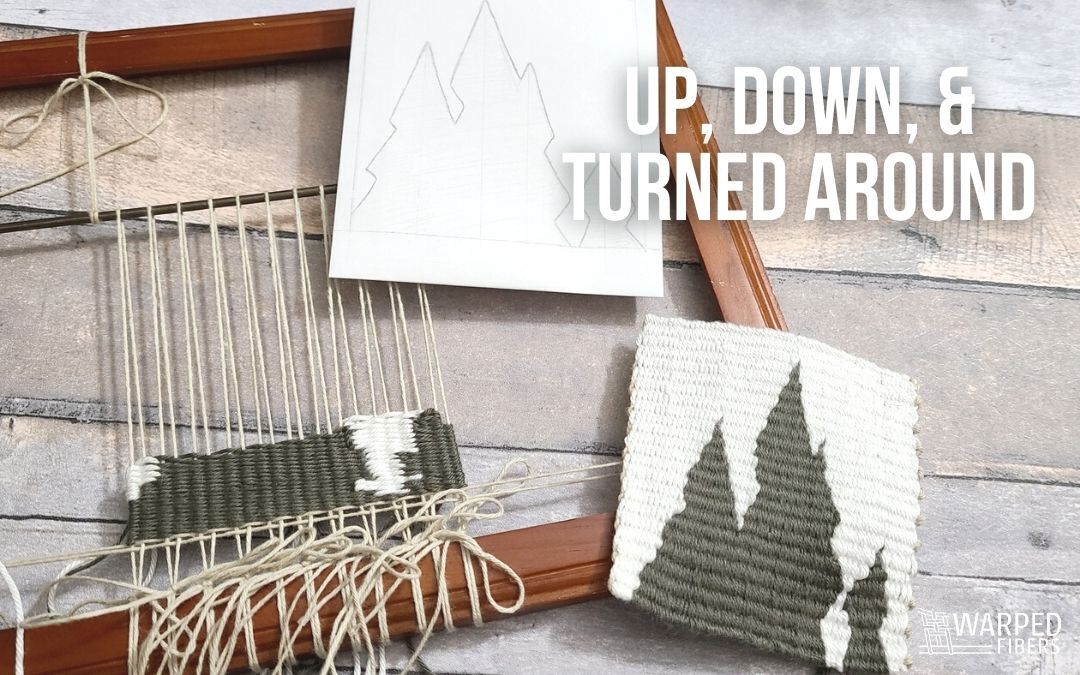
Embarking on a tapestry weaving project can be a rewarding experience, but occasional challenges are inevitable. Understanding common issues and their solutions empowers you to navigate these difficulties and ultimately create a beautiful piece. This section provides practical guidance for troubleshooting various problems, ensuring a smooth and successful weaving journey.
Warp Tension Issues
Maintaining consistent warp tension is crucial for a stable and even weave. Incorrect tension can lead to unevenness, puckering, or broken threads.
- Identifying the Problem: Uneven tension manifests as visible bumps or dips in the fabric, or threads that are too loose or tight in comparison to the others. Inspect the entire warp to pinpoint the areas of inconsistency. Examine the loom’s tensioning mechanism to ensure it is functioning correctly.
- Solutions: Adjust the warp tensioning devices on your loom to achieve a uniform tension. If the problem persists, re-thread the warp, ensuring each thread is evenly spaced and properly secured. Examine the loom’s condition for any wear or damage that might affect tension.
Knotting Problems
Proper knotting technique is fundamental to a strong and aesthetically pleasing tapestry. Inadequate knotting can result in loose knots, uneven stitch spacing, or weakened areas.
- Identifying the Problem: Loose knots are easily discernible by their looseness and tendency to come undone. Uneven knotting appears as variations in the spacing between knots. Examine the knots under close observation to identify any areas that deviate from the intended pattern.
- Solutions: Review your knotting technique. Ensure you’re using the appropriate knotting method for your chosen design and fabric. Practice knotting on scrap material to refine your technique. Tighten the knots by gently pulling the thread ends without over-tightening.
Design Issues
Even with a meticulously planned design, unexpected problems can arise during the weaving process.
- Identifying the Problem: A misalignment of design elements can lead to distortions. If the design appears skewed or off-center, this signals a design transfer or weaving error.
- Solutions: Double-check the design transfer to ensure accuracy. If the issue is during the weaving process, carefully retrace your steps, identifying where the error occurred. Adjust your weaving technique to correct the misalignment. Refer to your design pattern for clarification if needed.
Patience and Persistence
Tapestry weaving, like any craft, requires patience and persistence. Don’t get discouraged by challenges; they are opportunities for learning and growth.
“Patience and persistence are essential qualities for success in any endeavor, including tapestry weaving.”
Troubleshooting Table
| Problem | Possible Cause | Solution |
|---|---|---|
| Uneven warp tension | Incorrect loom tension, faulty warp threading | Adjust loom tension, re-thread warp evenly |
| Loose knots | Incorrect knotting technique, insufficient thread tension | Review knotting technique, increase thread tension |
| Design misalignment | Error in design transfer, weaving mistake | Double-check design transfer, retrace weaving steps |
Advanced Techniques and Variations
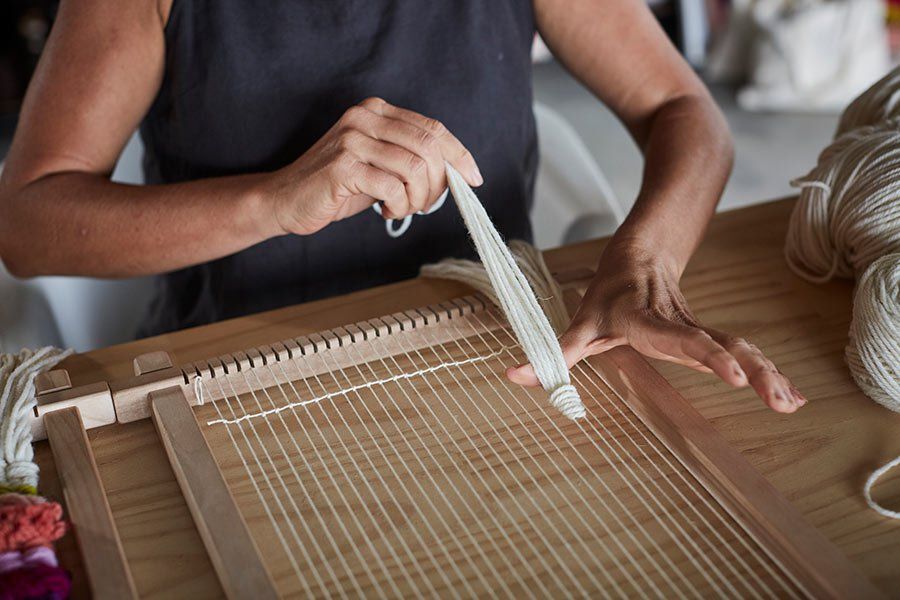
Enhancing a small wall tapestry beyond the basics opens a world of creative possibilities. Mastering advanced techniques allows weavers to explore a wider spectrum of textures, colors, and designs, resulting in truly unique and personalized pieces. This section delves into sophisticated methods and variations, enabling you to push the boundaries of your tapestry-weaving skills.Exploring advanced techniques and variations elevates the tapestry beyond a simple decorative piece, transforming it into a captivating work of art.
These approaches allow weavers to imbue their tapestries with a distinctive character, conveying a personal narrative through visual storytelling.
Incorporating Different Textures
Varying the textures within a tapestry adds visual interest and depth. This is achieved through the careful selection and use of different yarns. For example, using a combination of smooth silk and textured linen creates a striking contrast in the tapestry’s surface. Experimenting with yarns of varying thicknesses and weights will also alter the visual impact.
Variations in Weaving for Unique Effects
Beyond yarn textures, tapestry weaving offers various techniques to achieve specific visual effects. Warp-faced weaving, for instance, brings the warp threads to the forefront, creating a distinct visual impact. This technique is often used to highlight a specific design element. Alternately, incorporating supplementary weft threads with different colors or textures creates intricate patterns and a more dimensional look.
Incorporating Other Materials and Techniques
Expanding the tapestry’s palette with additional materials and techniques allows for greater creative freedom. Adding beads, sequins, or other embellishments can elevate the tapestry’s visual appeal. Incorporating embroidery or appliqué techniques onto the tapestry provides an excellent way to further customize the design. Metallic threads or yarns add a touch of shimmer and sophistication.
Examples of Unique and Artistic Tapestry Weaving Styles
Numerous tapestry weaving styles have emerged throughout history and continue to evolve. The Persian style, renowned for its intricate floral motifs and vibrant colors, provides a striking example. The Flemish style, characterized by its rich narrative scenes and detailed depictions, stands out for its storytelling quality. Modern interpretations often blend traditional techniques with contemporary aesthetics, resulting in truly unique and captivating works of art.
Comparison of Advanced Techniques and Their Impacts
| Technique | Impact on Tapestry Appearance |
|---|---|
| Warp-faced weaving | Highlights warp threads, creating a distinct visual emphasis. |
| Using yarns of varying textures | Adds depth and visual interest by contrasting smooth and textured yarns. |
| Incorporating supplementary weft threads | Creates intricate patterns and a more dimensional look. |
| Adding beads, sequins, or embellishments | Elevates visual appeal and adds a touch of personalization. |
| Incorporating embroidery or appliqué | Allows for customization and enhances design intricacy. |
| Using metallic threads | Adds a touch of sophistication and shimmer. |
Ultimate Conclusion
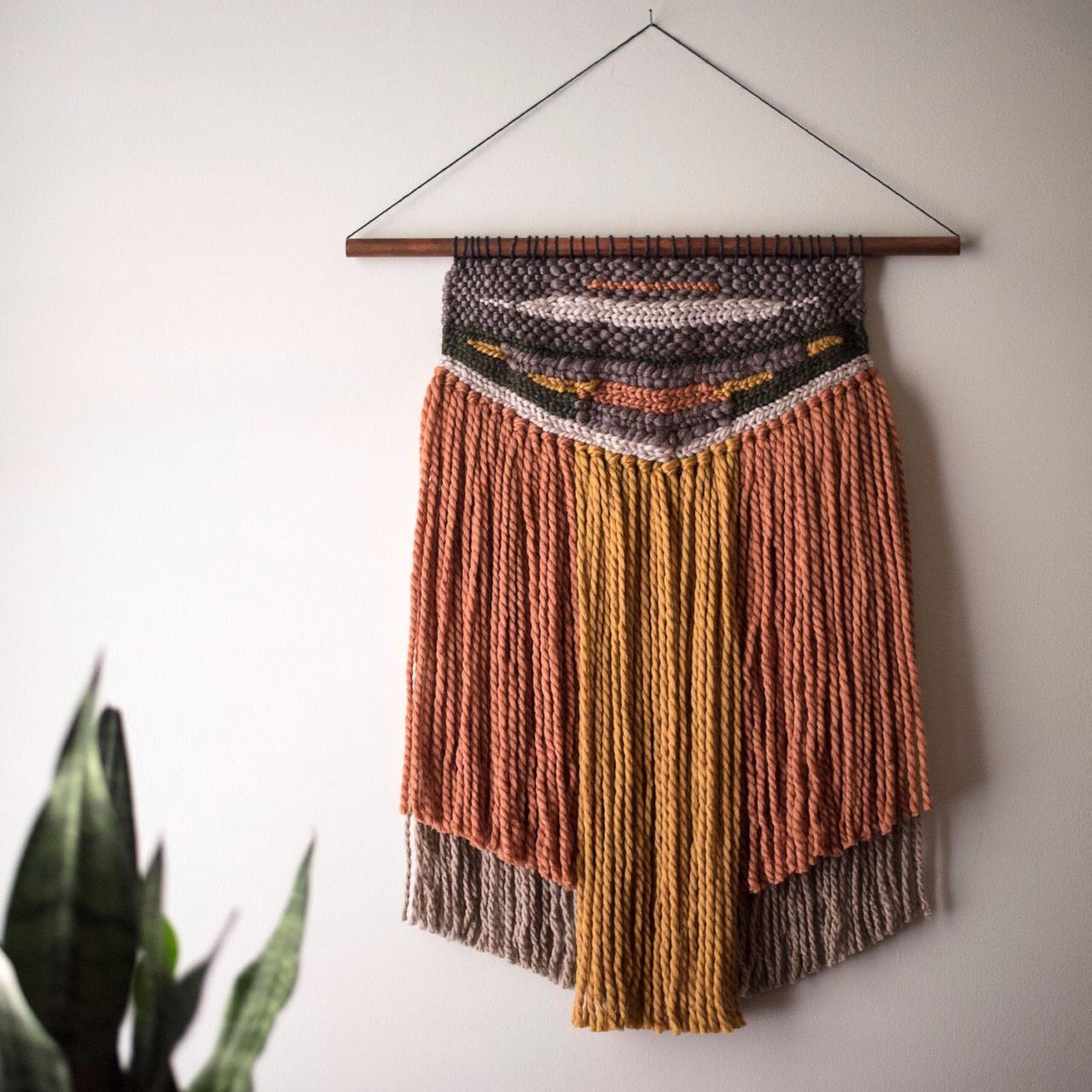
This guide has provided a thorough exploration of weaving a small wall tapestry, covering everything from choosing your design to finishing touches and troubleshooting. You’ve gained valuable knowledge of materials, techniques, and essential steps. Now, armed with this information, you are ready to embark on your tapestry weaving journey and create your very own unique masterpiece. Remember, patience and practice are key to success in this rewarding craft.